
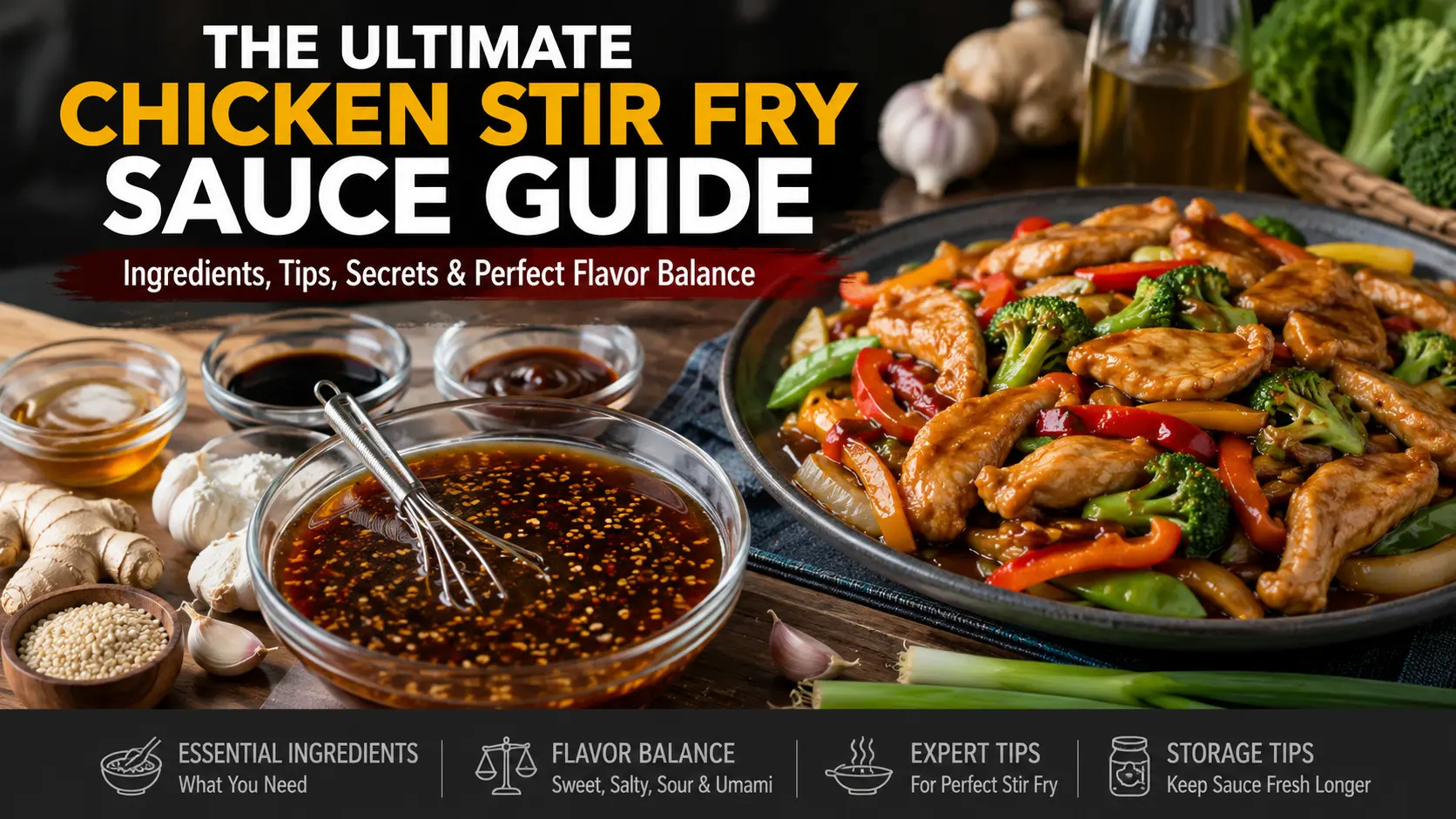
The Ultimate Chicken Stir Fry Sauce Guide
The Ultimate Chicken Stir Fry Sauce Guide
Whether you’re making a quick weeknight dinner or preparing meals for the week, the sauce often determines whether your chicken stir fry turns out bland or restaurant-quality. A well-balanced stir fry sauce brings together savory, sweet, salty, tangy, and umami flavors while coating every piece of chicken and every vegetable with a glossy finish.
This chicken stir fry sauce guide explains everything you need to know about choosing ingredients, balancing flavors, thickening sauces correctly, avoiding common mistakes, and selecting the right sauce for different styles of chicken stir fry. Instead of relying on guesswork, you’ll learn the techniques that professional cooks use to create consistently delicious results at home.
If you’re new to stir frying or want to improve your cooking, this guide will also point you toward related recipes and detailed tutorials throughout SmartKitchenHome, making it your complete cornerstone resource for chicken stir fry sauces.
Quick Answer
A great chicken stir fry sauce combines salty, sweet, savory, acidic, and umami flavors in the right balance while using a thickener like cornstarch to create a smooth, glossy coating. This chicken stir fry sauce guide covers the essential ingredients, flavor ratios, thickening methods, storage tips, and common mistakes so you can confidently make flavorful chicken stir fry every time.
- Start with a quality soy sauce.
- Add umami with oyster sauce or alternatives.
- Balance sweetness with honey or brown sugar.
- Brighten flavors using rice vinegar or citrus.
- Use cornstarch slurry for a silky finish.
- Add sesame oil only at the end for maximum aroma.
Table of Contents
What Is Chicken Stir Fry Sauce?
Chicken stir fry sauce is a flavorful liquid mixture that coats chicken and vegetables during cooking, creating the signature glossy finish found in many Asian-inspired stir fry dishes. Rather than being a single recipe, it’s a flexible combination of ingredients that can be adjusted to match different tastes, dietary needs, and cooking styles.
The best sauces don’t overpower the ingredients. Instead, they enhance the natural flavor of the chicken while bringing vegetables together into one balanced dish. This is why learning the fundamentals is far more valuable than memorizing one recipe.
Every great chicken stir fry sauce guide begins with understanding that successful sauces rely on balance rather than complexity. Even a simple mixture of soy sauce, garlic, ginger, and a small amount of sweetness can produce outstanding results when the proportions are correct.
Tip: Before experimenting with new ingredients, master a simple base sauce. Once you understand how each ingredient affects flavor, creating your own variations becomes much easier.
Once you’ve mastered the basics of stir fry sauce, you can apply those techniques to recipes like Classic Chicken Stir Fry, Garlic Chicken Stir Fry, or Honey Garlic Chicken Stir Fry, each of which highlights a different flavor profile while using the same core sauce-building principles.
Why Sauce Matters More Than Most People Think
Many home cooks focus on the chicken or vegetables, but the sauce is what transforms separate ingredients into a cohesive dish. Without a properly balanced sauce, even perfectly cooked chicken can taste flat or one-dimensional.
A quality stir fry sauce serves several important purposes:
- Enhances the natural flavor of chicken.
- Provides moisture without making the dish watery.
- Creates the glossy restaurant-style coating.
- Balances sweetness, saltiness, acidity, and umami.
- Brings vegetables and protein together into one harmonious meal.
This chicken stir fry sauce guide will explain each of these elements in detail throughout the following sections, helping you understand not only what ingredients to use but also why they work together so effectively.
Essential Ingredients Every Chicken Stir Fry Sauce Should Have
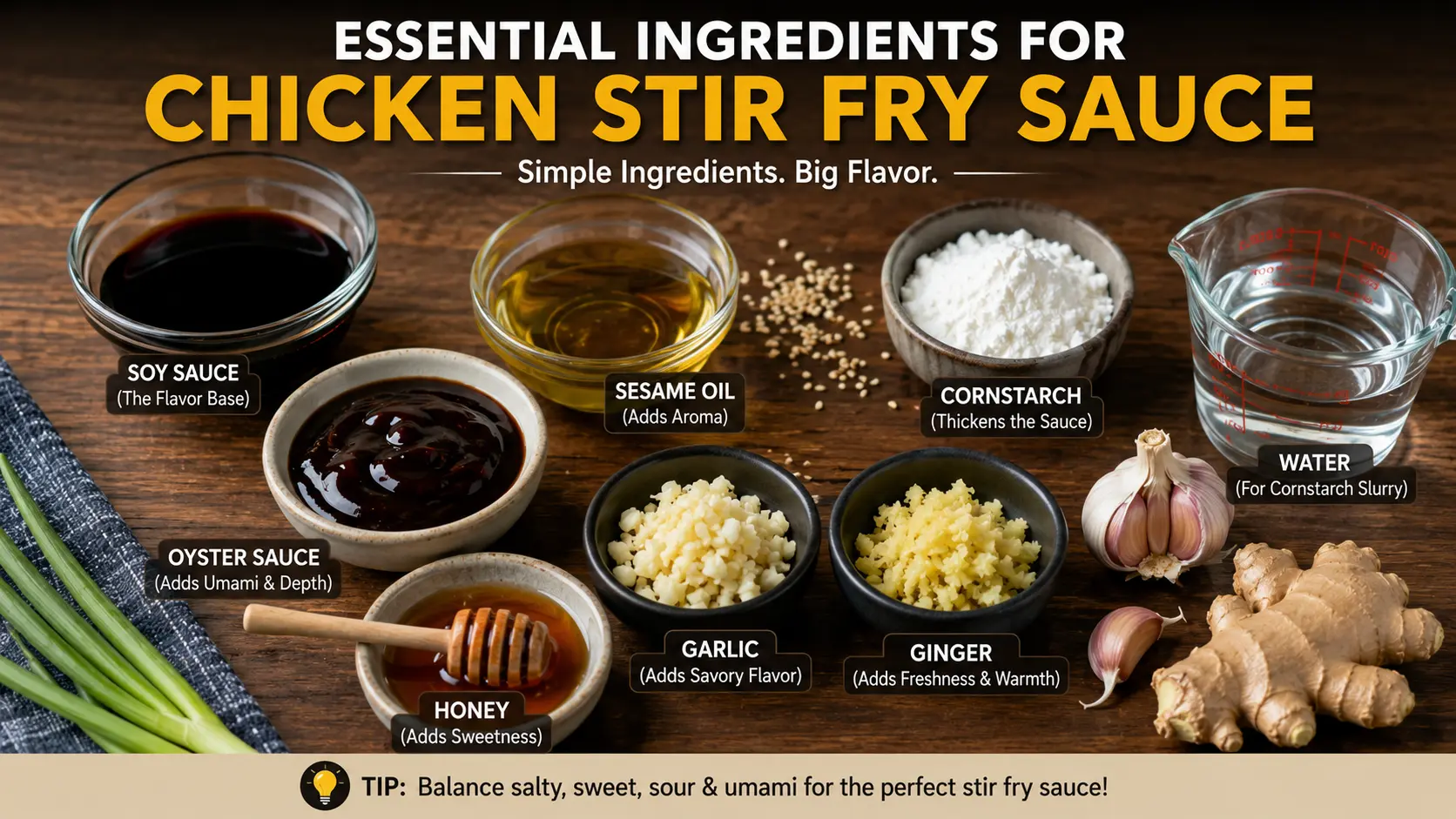
The foundation of every great stir fry sauce is a handful of carefully selected ingredients. While there are hundreds of variations, most recipes build on the same core components. Understanding what each ingredient contributes makes it much easier to customize your own sauce instead of simply following recipes.
This chicken stir fry sauce guide focuses on teaching the role of every ingredient so you can confidently adjust flavors for different chicken dishes without sacrificing balance.
Soy Sauce: The Flavor Foundation
Soy sauce is the backbone of nearly every chicken stir fry sauce. It provides saltiness, depth, and a rich umami flavor that enhances both chicken and vegetables.
Different types of soy sauce produce different results. Light soy sauce adds seasoning without overwhelming the dish, while dark soy sauce contributes a richer color and slightly sweeter flavor. Many home cooks combine both to achieve the best balance.
If you’d like a deeper comparison, read our guide on Best Soy Sauce for Chicken Stir Fry.
Oyster Sauce: The Secret to Restaurant Flavor
Oyster sauce is one of the biggest differences between restaurant-quality stir fries and many homemade versions. Despite its name, it doesn’t create a seafood flavor. Instead, it adds concentrated umami, subtle sweetness, and body to the sauce.
Even a small amount can make the entire dish taste richer and more balanced.
Kitchen Secret: Many restaurant stir fry sauces use less oyster sauce than people expect. Too much can overpower fresh vegetables and delicate chicken. A moderate amount creates depth without becoming the dominant flavor.
For a detailed explanation, visit What Does Oyster Sauce Do in Stir Fry?.
Garlic and Ginger Build Aroma
Fresh garlic and ginger create the aromatic base that gives chicken stir fry its signature fragrance. Garlic provides savory depth, while ginger contributes freshness with a slight peppery warmth.
These ingredients should be cooked briefly over high heat to release their natural oils without burning.
Sweeteners Balance Saltiness
A small amount of sweetness prevents soy sauce from tasting harsh and helps round out the overall flavor profile. Popular choices include:
- Honey
- Brown sugar
- White sugar
- Maple syrup
The goal isn’t to make the sauce sweet. Instead, sweetness softens stronger savory ingredients and creates a more complete flavor.
Acid Brightens the Sauce
Acidic ingredients such as rice vinegar or fresh lime juice cut through richness and prevent the sauce from tasting heavy. Just a teaspoon or two can dramatically improve overall balance.
Many beginner cooks skip this step, but acidity is one of the easiest ways to make homemade stir fry sauces taste fresher.
Sesame Oil Finishes the Sauce
Unlike cooking oils, toasted sesame oil is primarily a finishing ingredient. Its nutty aroma fades quickly if exposed to high heat for too long, so it’s best stirred into the sauce during the final moments of cooking.
If you’d like to learn the correct technique, see How to Use Sesame Oil Correctly in Stir Fry.
Cornstarch Creates the Signature Glossy Finish
A proper stir fry sauce should lightly coat the chicken instead of pooling at the bottom of the pan. Cornstarch slurry is responsible for that silky texture and glossy appearance.
Mix cornstarch with cold water before adding it to the sauce. This prevents clumping and allows the sauce to thicken evenly as it cooks.
Tip: Always whisk cornstarch into cold liquid first. Adding dry cornstarch directly to hot sauce almost always creates lumps.
For detailed instructions, check out How to Make the Perfect Cornstarch Slurry.
Understanding these core ingredients is one of the most valuable lessons in this chicken stir fry sauce guide. Once you know the purpose of each component, creating custom sauces becomes much easier than memorizing dozens of individual recipes.
How to Balance Sweet, Salty, Sour, and Umami in Chicken Stir Fry Sauce
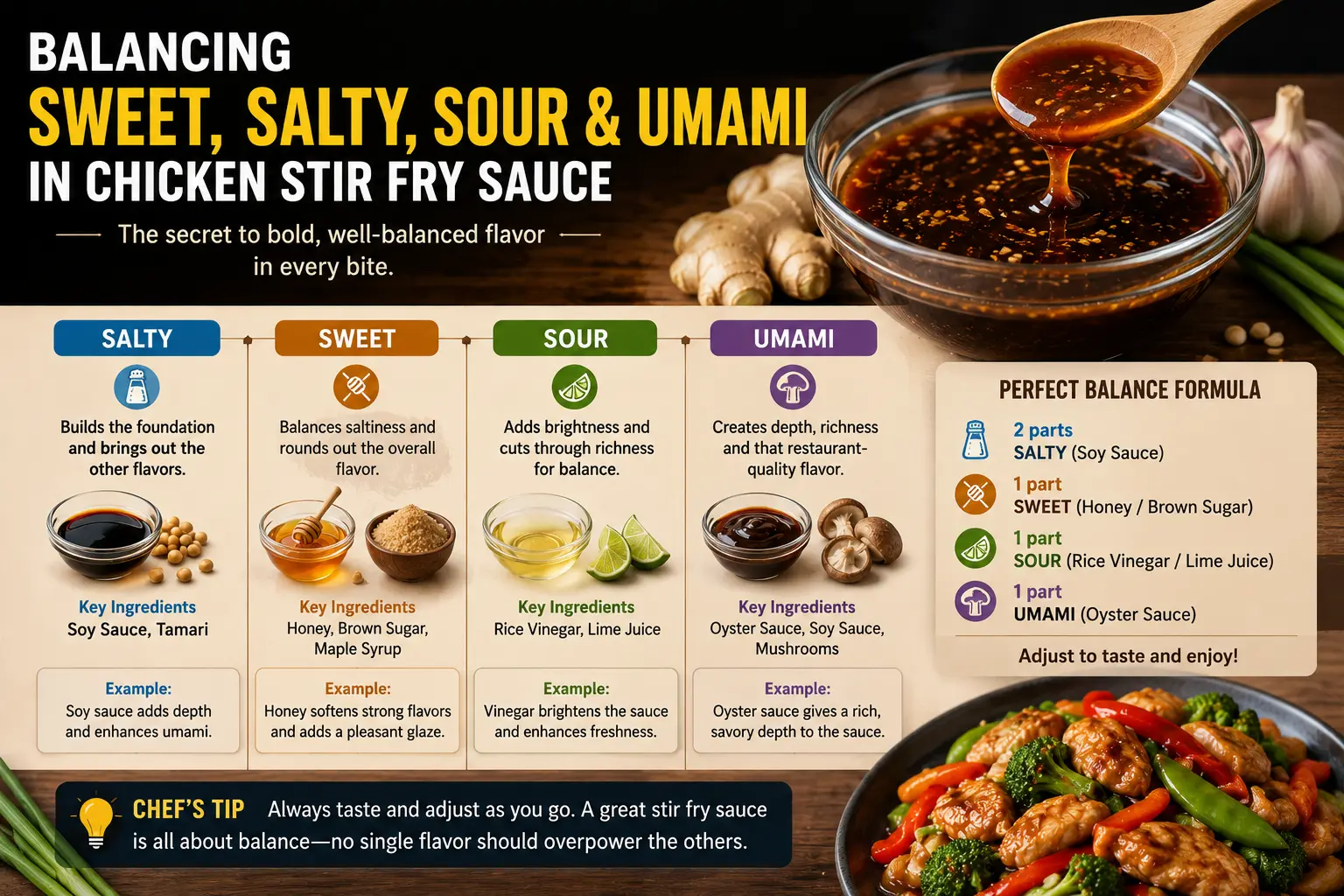
One of the biggest differences between an average homemade stir fry and a restaurant-quality dish is flavor balance. Instead of allowing one ingredient to dominate, experienced cooks build layers of flavor so every bite tastes rich, fresh, and well-rounded.
This chicken stir fry sauce guide focuses on understanding how each flavor works together. Once you know how to adjust these elements, you’ll be able to fix almost any sauce instead of starting over.
The Five Essential Flavor Elements
Nearly every successful chicken stir fry sauce contains five core flavor components.
| Flavor | Common Ingredients | Purpose |
|---|---|---|
| Salty | Soy sauce, tamari | Builds the foundation of the sauce. |
| Sweet | Honey, brown sugar, maple syrup | Balances salty and savory flavors. |
| Sour | Rice vinegar, lime juice | Adds brightness and freshness. |
| Umami | Oyster sauce, mushrooms, soy sauce | Creates depth and richness. |
| Aromatic | Garlic, ginger, sesame oil | Provides fragrance and complexity. |
If one of these elements is missing, the finished stir fry often tastes incomplete. For example, a sauce made only with soy sauce may taste overly salty, while adding a touch of honey and rice vinegar creates a much smoother, more balanced flavor.
Kitchen Secret: Professional cooks rarely rely on large amounts of one ingredient. Instead, they combine several complementary flavors in smaller amounts so no single ingredient overpowers the finished dish.
How to Fix Common Flavor Problems
Even experienced home cooks occasionally make a sauce that’s too salty, too sweet, or too bland. Fortunately, most problems are easy to correct if you know what caused them.
| If Your Sauce Is… | Possible Cause | How to Fix It |
|---|---|---|
| Too salty | Too much soy sauce | Add water, low-sodium stock, or a little sweetness. |
| Too sweet | Too much honey or sugar | Add soy sauce or rice vinegar. |
| Too sour | Excess vinegar or citrus | Add a small amount of honey. |
| Too bland | Not enough seasoning | Add soy sauce, oyster sauce, garlic, or ginger. |
| Too thick | Too much cornstarch | Stir in warm water gradually. |
| Too thin | Insufficient thickener | Add a fresh cornstarch slurry. |
Learning these simple adjustments gives you much more confidence in the kitchen because you can improve almost any homemade sauce instead of throwing it away.
Adjust the Sauce for Different Chicken Stir Fry Recipes
Not every chicken stir fry should taste the same. One advantage of understanding the fundamentals in this chicken stir fry sauce guide is that you can customize the sauce for different recipes while keeping the same basic structure.
- Garlic Chicken Stir Fry: Increase fresh garlic while keeping sweetness low.
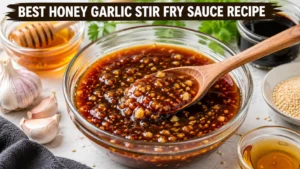
- Honey Garlic Chicken Stir Fry: Add extra honey for a sweeter glaze.
- Teriyaki Chicken Stir Fry: Increase sweetness and use additional soy sauce for a classic teriyaki profile.
- Spicy Chicken Stir Fry: Add chili flakes, sriracha, chili garlic sauce, or fresh chilies.
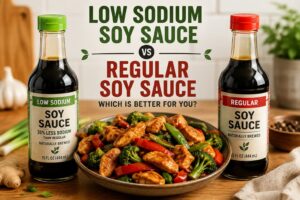
- Healthy Chicken Stir Fry: Reduce sugar and choose low-sodium soy sauce.
You can see these flavor variations in our recipes for Teriyaki Chicken Stir Fry, Spicy Chicken Stir Fry, and Healthy Chicken Stir Fry.
Tip: Change only one ingredient at a time when experimenting. This makes it much easier to understand how each adjustment affects the finished sauce.
Once you’ve mastered flavor balance, the next step is learning how to customize your sauce for different ingredients, dietary preferences, and cooking styles while maintaining the same rich, glossy texture every great stir fry should have.
How to Customize Chicken Stir Fry Sauce for Different Preferences
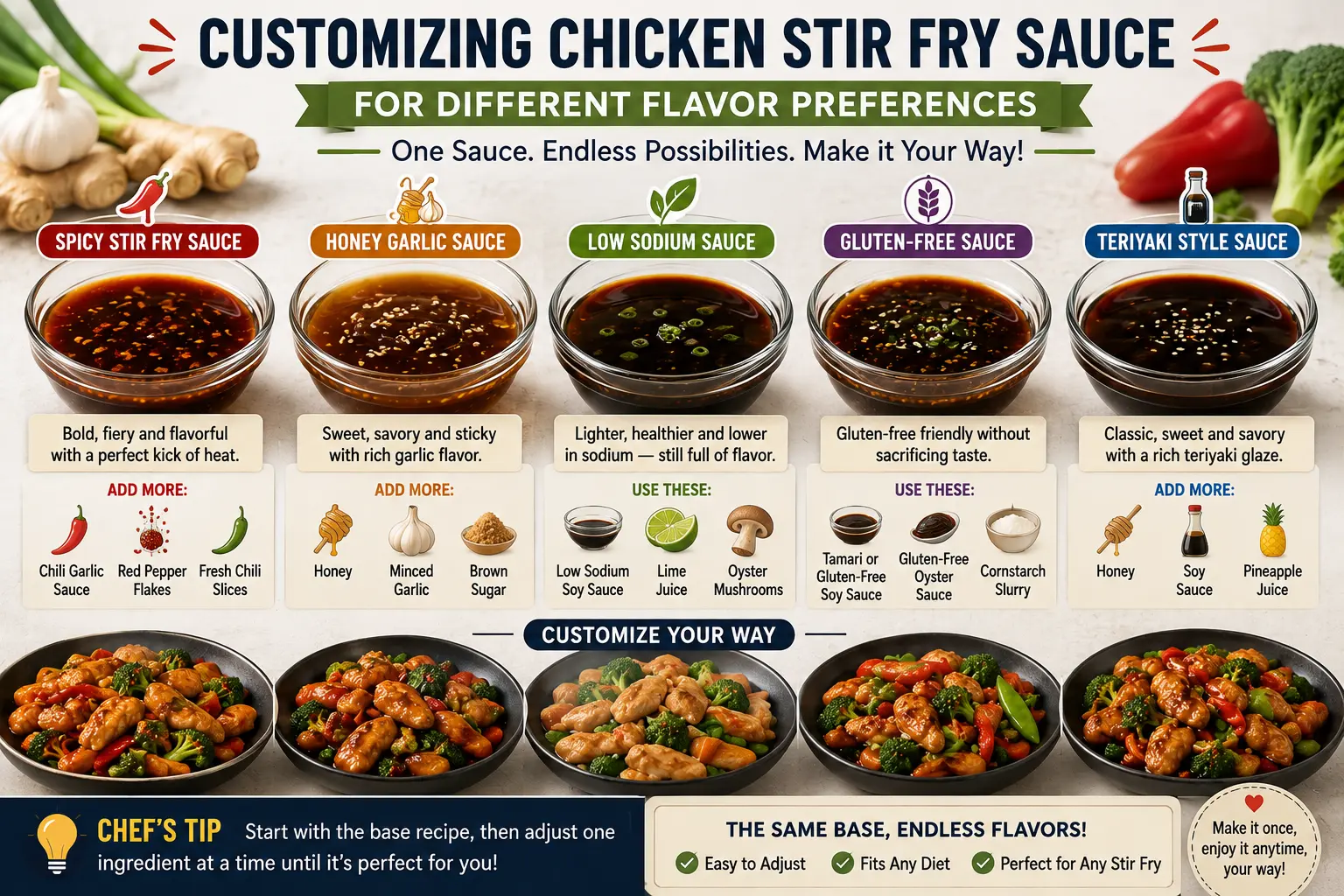
One reason this chicken stir fry sauce guide is valuable is that it teaches principles instead of a single recipe. Once you understand the purpose of each ingredient, you can easily customize your sauce for different family preferences, dietary needs, or the ingredients you already have in your kitchen.
Small adjustments can completely change the character of a stir fry without requiring an entirely new recipe. Whether you enjoy bold, spicy flavors or prefer something lighter and healthier, the same basic sauce can be adapted in countless ways.
Make It Sweeter
If you’re preparing stir fry for children or anyone who enjoys slightly sweeter meals, increase the sweet component gradually. Honey, brown sugar, and maple syrup all work well, but it’s important not to overdo them.
Too much sweetness masks the savory flavors that make chicken stir fry satisfying. The goal is balance rather than creating a sugary sauce.
Make It Spicier
Adding heat is one of the easiest ways to personalize a stir fry sauce. Popular options include:
- Crushed red pepper flakes
- Sriracha sauce
- Chili garlic sauce
- Fresh sliced Thai chilies
- Sambal oelek
Start with a small amount and taste as you cook. Heat builds quickly, especially when combined with garlic and ginger.
Tip: If your sauce becomes too spicy, add a teaspoon of honey or a splash of chicken broth to soften the heat without diluting the overall flavor.
Create a Healthier Stir Fry Sauce
A homemade sauce makes it much easier to control sodium, sugar, and calories than many bottled alternatives. Simple substitutions can create a healthier version while keeping plenty of flavor.
| Traditional Ingredient | Healthier Alternative | Benefit |
|---|---|---|
| Regular soy sauce | Low-sodium soy sauce | Reduces sodium intake. |
| Brown sugar | Honey or less sugar | Less refined sweetness. |
| Extra oil | Reduced oil | Lowers total fat. |
| Heavy bottled sauces | Homemade sauce | Better control over ingredients. |
If you’re looking for lighter meal ideas, our Healthy Chicken Stir Fry demonstrates how a balanced homemade sauce can deliver excellent flavor without unnecessary additives.
Gluten-Free Alternatives
Traditional soy sauce usually contains wheat, but making a gluten-free chicken stir fry sauce is simple. Replace regular soy sauce with tamari or certified gluten-free soy sauce, and always check labels on oyster sauce and other condiments.
Cornstarch remains an excellent thickener for most gluten-free stir fry sauces, producing the same glossy finish without affecting flavor.
Warning: Don’t assume every bottled stir fry sauce is gluten-free. Always read the ingredient list carefully, as wheat-based soy sauce is one of the most common hidden sources of gluten.
Homemade vs. Bottled Stir Fry Sauce
Both homemade and bottled sauces have their place in the kitchen. Homemade sauces offer maximum flexibility and freshness, while bottled products provide convenience on busy weeknights.
Homemade Sauce Pros
- Complete control over ingredients.
- Adjust sweetness, salt, and spice.
- No unnecessary preservatives.
- Fresh garlic and ginger flavor.
- Easy to customize for dietary needs.
Bottled Sauce Cons
- Often higher in sodium.
- Limited ability to customize flavor.
- May contain preservatives or additives.
- Can be sweeter than homemade versions.
- Ingredient quality varies by brand.
If convenience is your priority, our guide to Best Bottled Stir Fry Sauces Compared explains which products offer the best flavor and value.
As this chicken stir fry sauce guide demonstrates, understanding how to customize sauces gives you the flexibility to prepare restaurant-quality meals that perfectly match your family’s tastes without relying on a single recipe.
Common Chicken Stir Fry Sauce Mistakes and How to Avoid Them
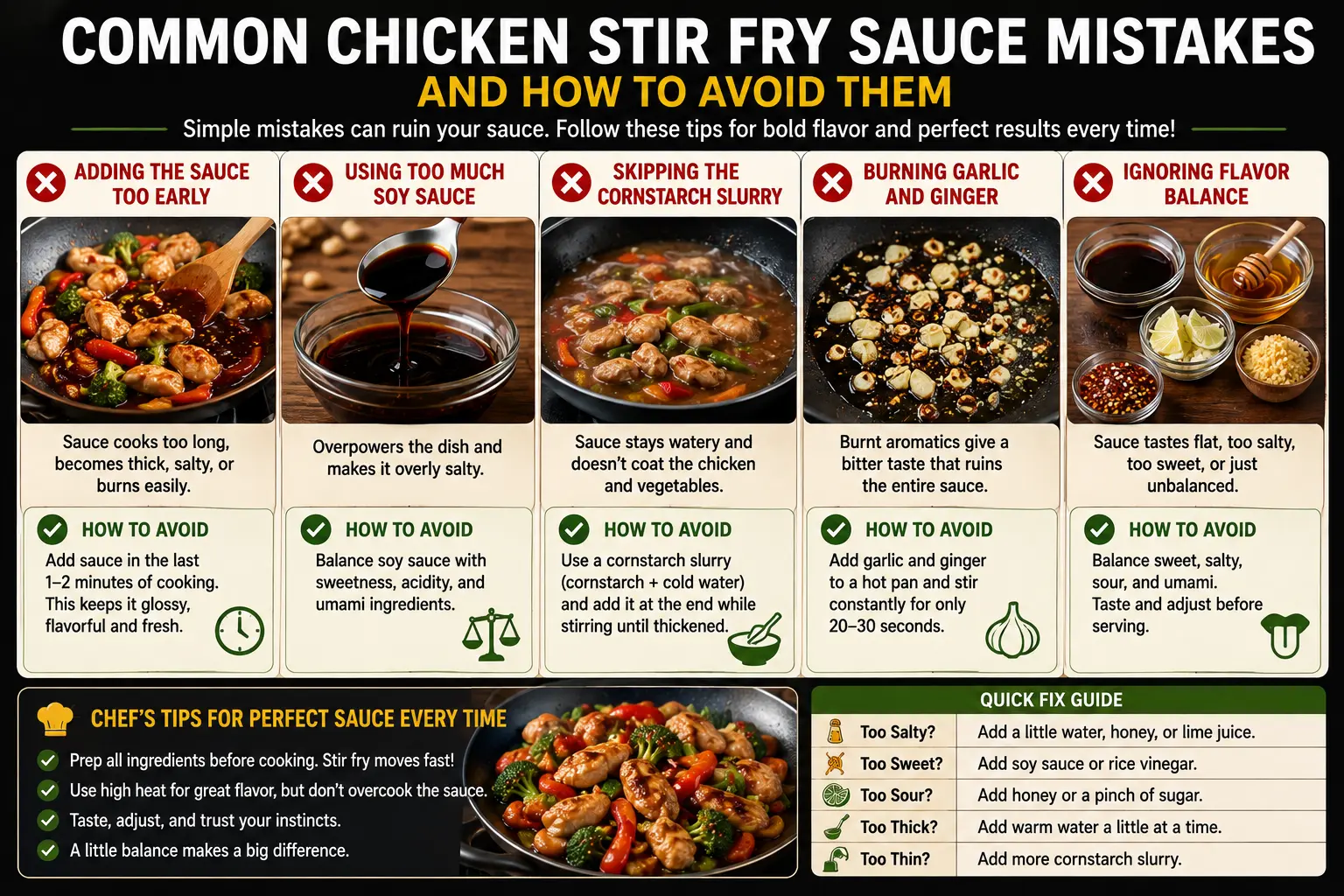
Even with high-quality ingredients, small mistakes can prevent a stir fry sauce from reaching its full potential. Fortunately, most problems are easy to avoid once you understand what causes them.
This chicken stir fry sauce guide isn’t just about choosing the right ingredients—it’s also about developing good cooking habits that consistently produce flavorful, glossy sauces every time you cook.
Adding the Sauce Too Early
One of the most common mistakes is pouring the sauce into the pan before the chicken and vegetables have finished cooking. Since stir frying uses very high heat, sauces that cook too long can become overly thick, salty, or even burn.
Instead, cook the chicken until it’s nearly done, add the vegetables, and pour in the sauce during the final minutes of cooking. This keeps the flavors fresh while allowing the sauce to coat every ingredient evenly.
Warning: Sugary sauces burn quickly over high heat. If your recipe contains honey, brown sugar, or maple syrup, always add the sauce near the end of cooking.
Using Too Much Soy Sauce
Soy sauce delivers saltiness and umami, but using too much can overpower every other ingredient. Many beginners assume that more soy sauce equals more flavor, but the result is often an overly salty stir fry.
Balance soy sauce with sweetness, acidity, aromatics, and umami ingredients rather than relying on salt alone.
Skipping the Cornstarch Slurry
A watery sauce usually happens because the thickener was forgotten or added incorrectly. Cornstarch slurry helps create the smooth, glossy coating associated with restaurant-style chicken stir fry.
Always mix cornstarch with cold water before adding it to the pan, and stir continuously while the sauce thickens.
For detailed instructions, read How to Make the Perfect Cornstarch Slurry.
Burning Garlic and Ginger
Fresh garlic and ginger cook very quickly over high heat. Leaving them in the pan for too long before adding other ingredients can produce bitter flavors that affect the entire dish.
Add aromatics only after the pan is hot, stir constantly, and cook them for just 20 to 30 seconds before adding the remaining ingredients.
Kitchen Secret: Professional cooks prepare every ingredient before turning on the stove. Since stir frying happens so quickly, having everything measured and ready prevents overcooking and burnt aromatics.
Ignoring Flavor Balance
Some home cooks continue adding soy sauce when the dish tastes bland, even though the real problem may be a lack of sweetness or acidity.
Instead of automatically reaching for more salt, ask yourself which flavor is actually missing:
- Add honey if the sauce tastes harsh.
- Add rice vinegar if it feels heavy.
- Add garlic or ginger if it lacks aroma.
- Add oyster sauce if it needs more depth.
Learning to identify missing flavors is one of the most valuable skills covered in this chicken stir fry sauce guide.
Storing Homemade Chicken Stir Fry Sauce
Making stir fry sauce in advance is an excellent way to save time during busy weeks. Proper storage also allows the flavors to blend together, often improving the taste after several hours in the refrigerator.
Storage Tip: Store homemade stir fry sauce in a clean, airtight glass jar or food-safe container in the refrigerator for up to one week. Shake or stir well before using because some ingredients naturally settle during storage.
| Storage Method | Recommended Time | Best Practice |
|---|---|---|
| Refrigerator | Up to 1 week | Keep in an airtight container. |
| Freezer | Up to 3 months | Freeze in meal-sized portions. |
| After Thawing | Use within 2–3 days | Refrigerate and stir before use. |
If you enjoy meal prep, our detailed guides on How to Store Homemade Stir Fry Sauce and Can You Freeze Homemade Stir Fry Sauce? explain the safest storage methods and best freezing practices.
By avoiding these common mistakes and following proper storage techniques, you’ll consistently prepare flavorful sauces that elevate every homemade chicken stir fry.
Frequently Asked Questions
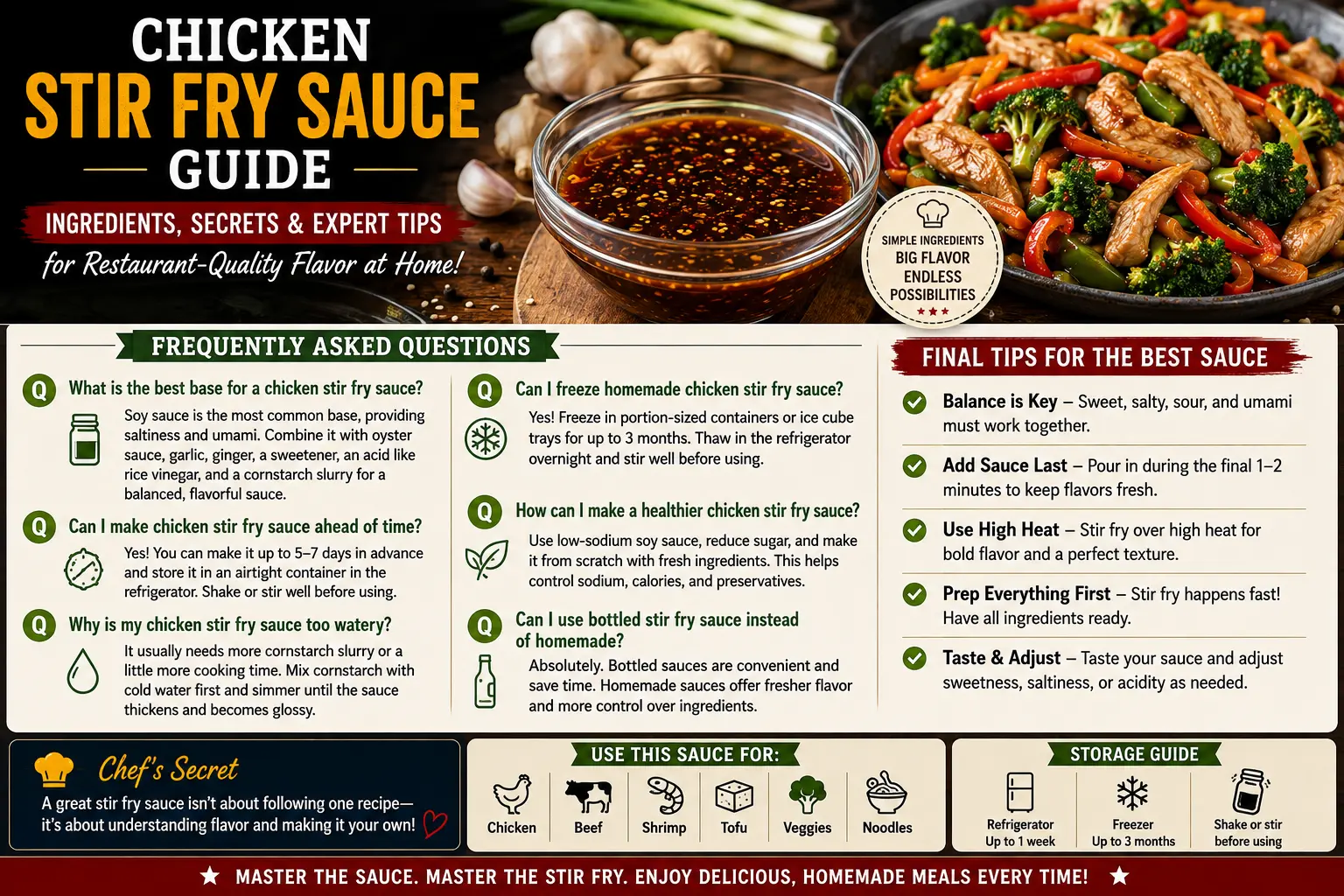
What is the best base for a chicken stir fry sauce?
Soy sauce is the most common foundation because it provides saltiness and umami. Most homemade sauces also include oyster sauce, garlic, ginger, a sweetener, an acid such as rice vinegar, and a cornstarch slurry for thickness. This chicken stir fry sauce guide recommends balancing these ingredients instead of relying heavily on one flavor.
Can I make chicken stir fry sauce ahead of time?
Yes. Homemade stir fry sauce can be prepared several days in advance and stored in an airtight container in the refrigerator. Shake the container well before using because ingredients such as cornstarch may settle.
Why is my chicken stir fry sauce too watery?
A watery sauce usually means there wasn’t enough cornstarch slurry or the sauce wasn’t simmered long enough. Mix cornstarch with cold water before adding it to the pan so it thickens evenly.
Can I freeze homemade chicken stir fry sauce?
Yes. Freeze it in portion-sized containers or freezer-safe bags for up to three months. Thaw overnight in the refrigerator and stir well before reheating to restore a smooth consistency.
How can I make a healthier chicken stir fry sauce?
Use low-sodium soy sauce, reduce added sugar, and prepare the sauce from scratch using fresh garlic, ginger, and simple pantry ingredients. Homemade sauces make it easier to control sodium, calories, and preservatives.
Can I use bottled stir fry sauce instead of homemade?
Absolutely. Bottled sauces are convenient for busy weeknights, but homemade versions usually offer fresher flavor and greater control over sweetness, sodium, and spice levels.
Final Thoughts
A great stir fry sauce isn’t about following one perfect recipe—it’s about understanding how individual ingredients work together. Once you learn how soy sauce provides the savory foundation, oyster sauce adds depth, garlic and ginger build aroma, sweetness creates balance, acidity brightens flavors, and cornstarch produces a glossy finish, you’ll be able to create consistently delicious meals with confidence.
This chicken stir fry sauce guide is designed to be your complete reference whenever you’re making homemade chicken stir fry. Whether you’re preparing a quick weeknight dinner, experimenting with new flavor combinations, or looking to improve your cooking skills, mastering these core techniques will help you achieve restaurant-quality results at home.
As you continue exploring stir fry cooking, remember that practice is the best teacher. Start with a simple, balanced sauce, make small adjustments based on your personal preferences, and don’t be afraid to experiment with new ingredients once you’ve mastered the fundamentals.
References
🍽️ You Might Also Like
📧 Save This Recipe For Later
Enter your email and we will send this recipe directly to your inbox.