
The 7 Best Oils for Stir Fry: High-Heat Cooking Oils Ranked & Compared
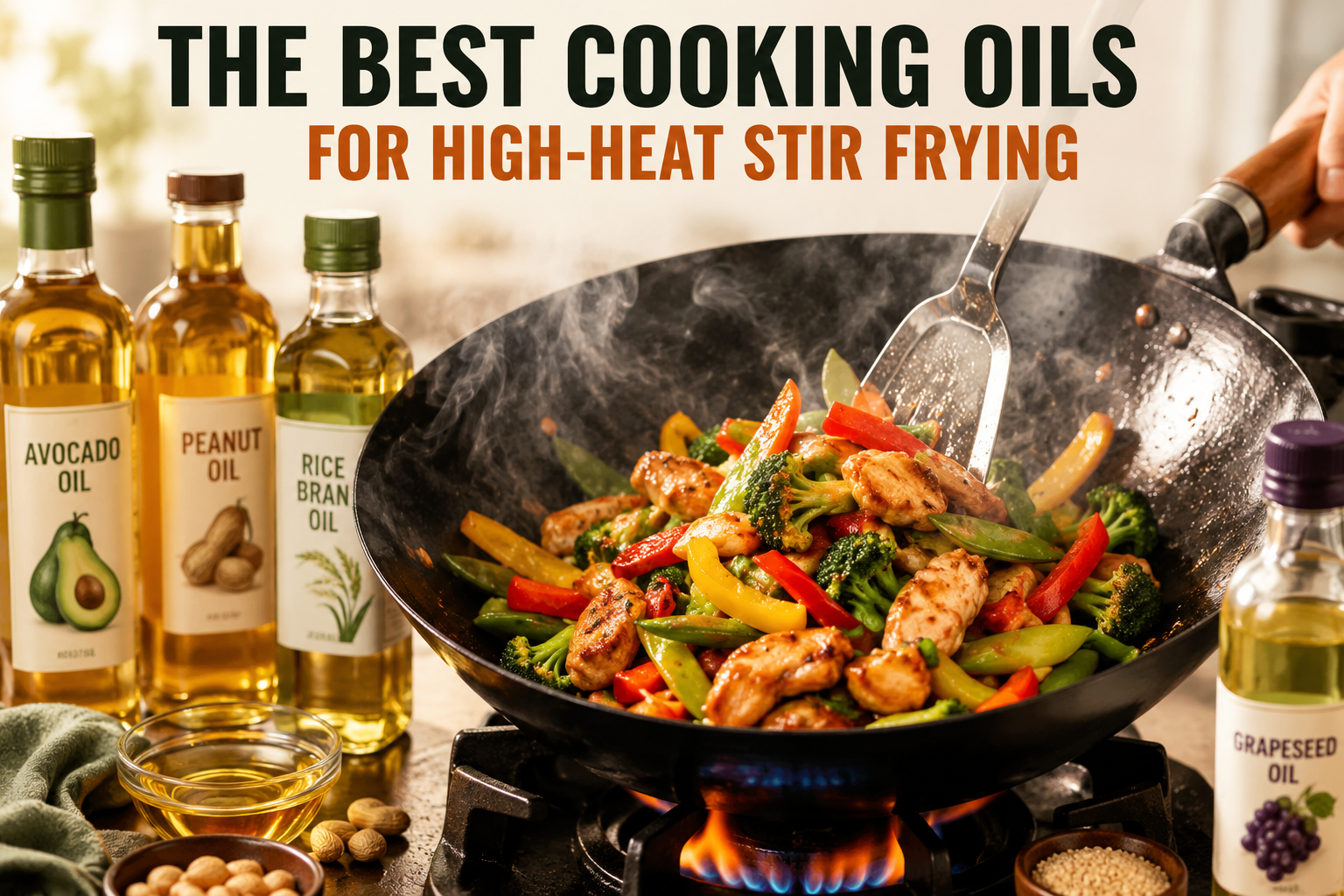
The Best Cooking Oils for High-Heat Stir Frying
Choosing the best oil for stir fry is one of the most important decisions you can make before turning on your stove. While many home cooks focus on fresh vegetables, quality protein, or flavorful sauces, the cooking oil often gets overlooked. Yet it’s the oil that allows ingredients to sear quickly, develop rich flavor, and maintain the crisp, tender texture that makes stir fry so satisfying.
Unlike slow-cooking methods such as roasting or braising, stir frying relies on intense heat. Traditional Chinese stir frying is often done over extremely powerful burners that can exceed temperatures found in most home kitchens. Even on a standard household stove, however, a wok or heavy skillet can easily reach temperatures above 400°F (204°C). At these temperatures, the wrong oil can begin to smoke, burn, and develop bitter flavors long before your food has finished cooking.
Using the best oil for stir fry doesn’t simply prevent burning. It helps vegetables stay vibrant, encourages proteins to brown beautifully, improves sauce consistency, and allows natural flavors to shine without overpowering them. A good cooking oil also remains stable under high heat, making your stir fry safer, cleaner, and more enjoyable to prepare.
Many people assume that all cooking oils behave the same way, but each oil has unique characteristics. Some have extremely high smoke points and neutral flavors, making them ideal for high-heat cooking. Others contain delicate compounds that break down quickly when exposed to heat. Understanding these differences helps you select the right oil for every type of stir fry, whether you’re making chicken, beef, shrimp, tofu, or vegetable dishes.
In this complete guide, you’ll learn what makes an oil suitable for stir frying, which oils professional chefs recommend, which oils should be avoided, and how to achieve restaurant-quality results at home every time.
Quick Answer
The best oil for stir fry is a refined oil with a high smoke point and a neutral or mildly complementary flavor. Refined avocado oil ranks as the best overall choice because it withstands extremely high temperatures while allowing ingredients to brown without burning. Peanut oil, refined canola oil, grapeseed oil, sunflower oil, and refined soybean oil are also excellent choices. Toasted sesame oil should be added after cooking rather than used as the primary frying oil because its strong flavor and lower smoke point make it better suited as a finishing oil.
Table of Contents
Why Choosing the Right Oil Matters
Many home cooks believe the sauce is the secret to a delicious stir fry. While sauces certainly contribute flavor, the cooking oil determines how well every ingredient cooks from the very beginning. Selecting the best oil for stir fry creates the foundation for proper browning, caramelization, and texture.
During stir frying, ingredients spend only a few minutes in the pan. Because cooking happens so quickly, the oil must transfer heat efficiently while remaining stable at high temperatures. An oil that reaches its smoke point too early can leave food tasting bitter and may create excessive smoke in your kitchen.
The right oil also helps prevent sticking. When a properly heated wok is coated with a thin layer of high-quality oil, ingredients glide smoothly across the cooking surface instead of tearing apart or burning.
Restaurant-quality stir fry depends on a balance between intense heat, constant movement, and the proper cooking oil. Without all three working together, it’s difficult to achieve the signature texture people expect from a great stir fry.
Kitchen Tip: Always heat your wok or skillet first. Once it’s hot, add the oil and immediately swirl it around the cooking surface before adding ingredients. This creates a naturally non-stick cooking surface.
What Makes a Good Stir Fry Oil?
Not every cooking oil performs well under the intense heat required for stir frying. The best oil for stir fry combines several important qualities that allow food to cook quickly without burning.
High Smoke Point
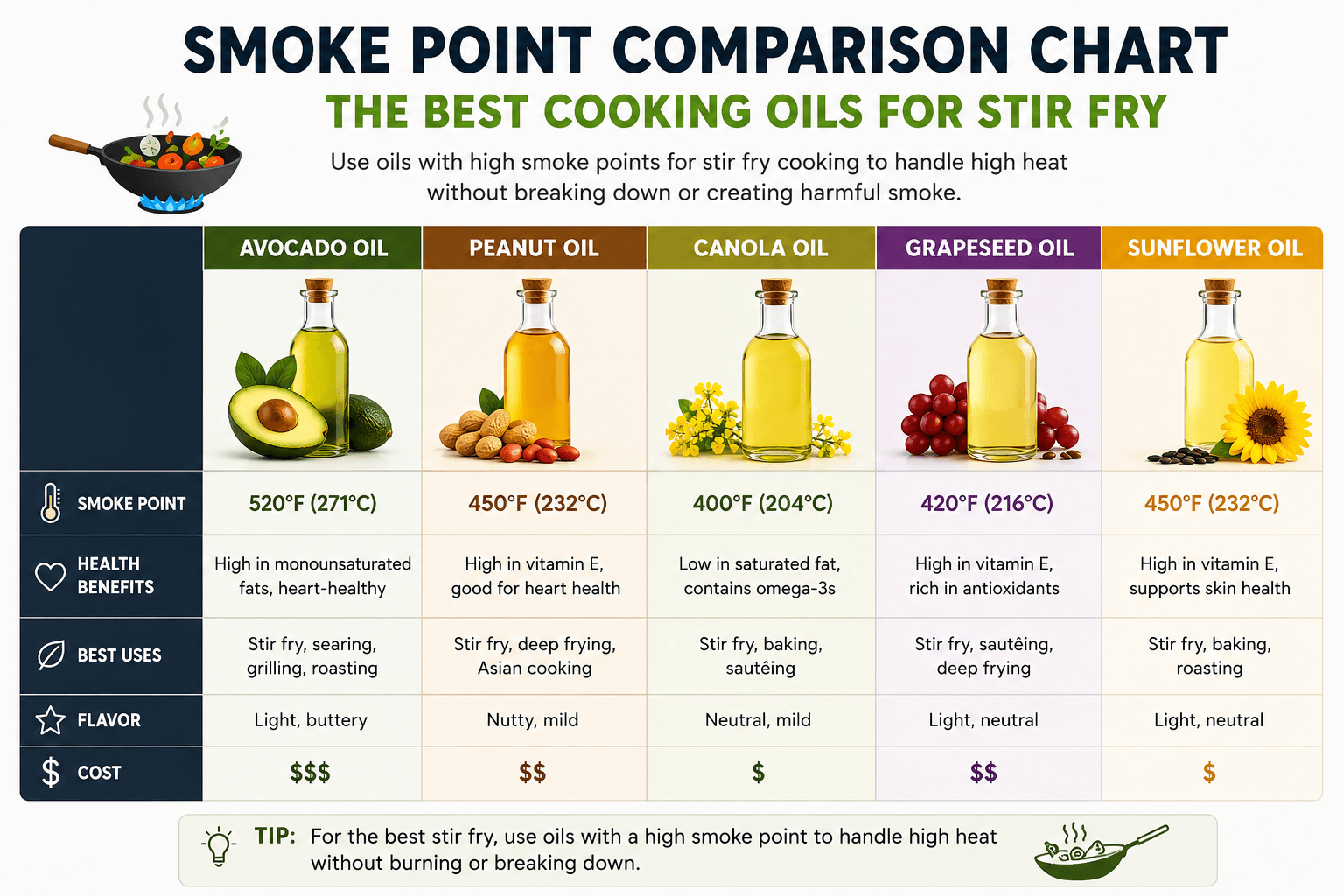
The smoke point is the temperature where oil begins to visibly smoke and break down. Since stir frying often exceeds 400°F (204°C), oils with higher smoke points provide a larger safety margin and better cooking performance.
Neutral Flavor
Most stir fry recipes feature fresh vegetables, aromatics, proteins, and flavorful sauces. A neutral oil allows these ingredients to remain the stars of the dish instead of competing with strong oil flavors.
Heat Stability
Some oils remain chemically stable during high-temperature cooking, while others oxidize quickly. Stable oils retain their cooking performance and flavor even during intense heat.
Versatility
A versatile oil works equally well for chicken, beef, seafood, tofu, noodles, and vegetables. This makes it a practical choice for everyday cooking.
Chef’s Secret: Many professional kitchens use one neutral high-heat oil for cooking and finish the dish with a small drizzle of toasted sesame oil. This creates deep sesame aroma without burning the oil.
Understanding Smoke Point
If you’ve ever seen thick smoke pouring from your pan before the food is finished cooking, you’ve likely exceeded your oil’s smoke point.
When oil reaches this temperature, it starts breaking down. Besides creating unpleasant flavors, overheated oil can reduce cooking performance and leave food tasting burnt even when the ingredients themselves aren’t overcooked.
Because stir frying depends on extremely high temperatures, understanding smoke points is one of the simplest ways to improve your cooking.
| Smoke Point | Performance for Stir Fry | Recommendation |
|---|---|---|
| Above 450°F | Excellent | Ideal for wok cooking |
| 425–450°F | Very Good | Great for home stir frying |
| 400–425°F | Good | Works for moderate heat |
| Below 400°F | Poor | Better for dressings or finishing |
Keep in mind that smoke point isn’t the only factor when selecting the best oil for stir fry, but it is one of the most important. Flavor, stability, availability, and cost also play valuable roles in choosing the right cooking oil.
The Best Oils for High-Heat Stir Frying
Now that you understand why smoke point and stability matter, it’s time to compare the most popular options. While several oils work well, some consistently outperform others for high-heat cooking.
1. Refined Avocado Oil (Best Overall)
Refined avocado oil is widely considered the best oil for stir fry because it combines an exceptionally high smoke point with a clean, neutral flavor. It allows vegetables to remain crisp, proteins to brown beautifully, and sauces to caramelize without burning.
Its mild taste works well with nearly every cuisine, from Chinese and Thai stir fries to Japanese and Korean-inspired dishes.
Best For: Chicken stir fry, beef stir fry, shrimp stir fry, tofu, vegetables, noodles, fried rice, and everyday high-heat cooking.
2. Peanut Oil (Traditional Restaurant Choice)
Peanut oil has been a staple in Chinese restaurant kitchens for decades, making it one of the most trusted options when searching for the best oil for stir fry. Its naturally high smoke point allows it to handle the intense temperatures used in wok cooking without breaking down quickly.
Unlike many neutral oils, peanut oil adds a very subtle nutty flavor that complements common stir fry ingredients such as chicken, beef, broccoli, bell peppers, mushrooms, and snow peas. The flavor is mild enough that it won’t overpower sauces, yet noticeable enough to add extra depth to finished dishes.
Another advantage is its excellent heat stability. Since stir frying requires constant tossing and exposure to high temperatures, peanut oil maintains its quality throughout the cooking process.
Important: Peanut oil should be avoided if anyone eating the meal has a peanut allergy. Although highly refined peanut oil may contain very little allergenic protein, always choose a different oil when cooking for guests with allergies.
3. Refined Canola Oil (Best Budget Option)
If you’re looking for an affordable everyday cooking oil, refined canola oil is an excellent choice. It offers a relatively high smoke point, a clean neutral flavor, and is widely available in nearly every grocery store.
Because canola oil has very little taste of its own, it’s ideal for recipes where you want soy sauce, garlic, ginger, sesame, or chili flavors to stand out.
Many home cooks choose canola oil because it performs consistently while remaining one of the most economical options for frequent stir frying.
Best For: Everyday chicken stir fry, vegetable stir fry, fried rice, noodles, and meal prep cooking.
4. Grapeseed Oil
Grapeseed oil has become increasingly popular among home cooks because of its clean taste and dependable performance at high temperatures. Its light texture coats ingredients evenly while allowing vegetables to caramelize without becoming greasy.
Because the flavor is extremely mild, grapeseed oil works especially well in recipes with delicate ingredients like shrimp, scallops, zucchini, asparagus, or bok choy.
For anyone wanting a neutral cooking oil that performs well in many different recipes, grapeseed oil deserves consideration as one of the best oils for stir fry.
5. High-Oleic Sunflower Oil
Not all sunflower oils are identical. High-oleic sunflower oil contains more heat-stable monounsaturated fats than traditional sunflower oil, making it much better suited for high-temperature cooking.
Its neutral flavor makes it a versatile option for nearly any stir fry recipe while its high smoke point helps reduce burning during fast cooking.
6. Refined Soybean Oil
Many commercial restaurants use refined soybean oil because it’s affordable, widely available, and performs well under high heat. Although it doesn’t receive as much attention as avocado or peanut oil, it remains a reliable option for everyday stir frying.
Its neutral taste allows sauces and seasonings to become the primary flavor of the dish.
7. Rice Bran Oil
Rice bran oil is another outstanding high-heat cooking oil that’s especially popular throughout many Asian countries. It has a very high smoke point, a clean taste, and excellent cooking stability.
Although it may be slightly harder to find in some supermarkets, it’s an excellent option if available in your area.
Professional Tip: If you want authentic restaurant-style stir fry at home, refined avocado oil, peanut oil, or rice bran oil will generally provide the closest results to commercial wok kitchens.
Cooking Oil Comparison Table
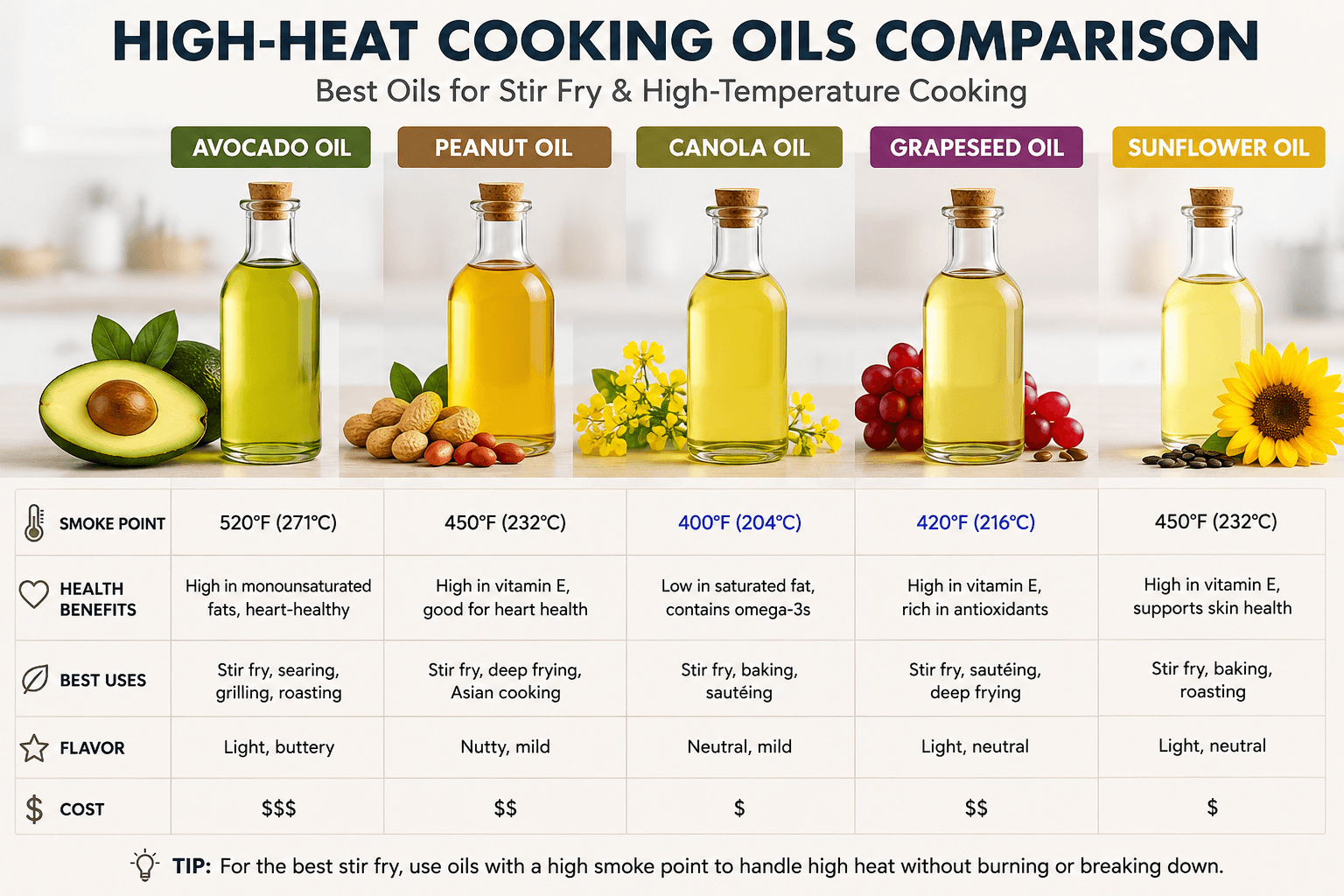
The table below compares some of the most popular oils used for stir frying based on smoke point, flavor, affordability, and overall performance.
| Cooking Oil | Approx. Smoke Point | Flavor | Best For | Overall Rating |
|---|---|---|---|---|
| Refined Avocado Oil | About 520°F | Neutral | All Stir Fry Recipes | ★★★★★ |
| Peanut Oil | About 450°F | Light Nutty | Traditional Asian Cooking | ★★★★★ |
| Rice Bran Oil | About 450°F | Neutral | High Heat Wok Cooking | ★★★★★ |
| Canola Oil | About 400–425°F | Neutral | Budget-Friendly Everyday Cooking | ★★★★☆ |
| Grapeseed Oil | About 420°F | Very Light | Seafood & Vegetables | ★★★★☆ |
| High-Oleic Sunflower Oil | About 450°F | Neutral | General Stir Fry | ★★★★☆ |
| Refined Soybean Oil | About 450°F | Neutral | Large Batch Cooking | ★★★★☆ |
| Toasted Sesame Oil | Low | Strong Sesame | Finishing Only | Not Recommended for Frying |
Advantages of High Smoke Point Oils
- Produce better browning and caramelization.
- Reduce the chance of burnt flavors.
- Create crisp-tender vegetables.
- Help proteins develop a flavorful crust.
- Remain stable during intense cooking.
- Work well in both woks and skillets.
Potential Drawbacks
- Premium oils like avocado oil may cost more.
- Peanut oil isn’t suitable for people with peanut allergies.
- Some specialty oils may be difficult to find locally.
- Using excessive oil can make stir fry greasy regardless of oil type.
Cooking Oils You Should Avoid
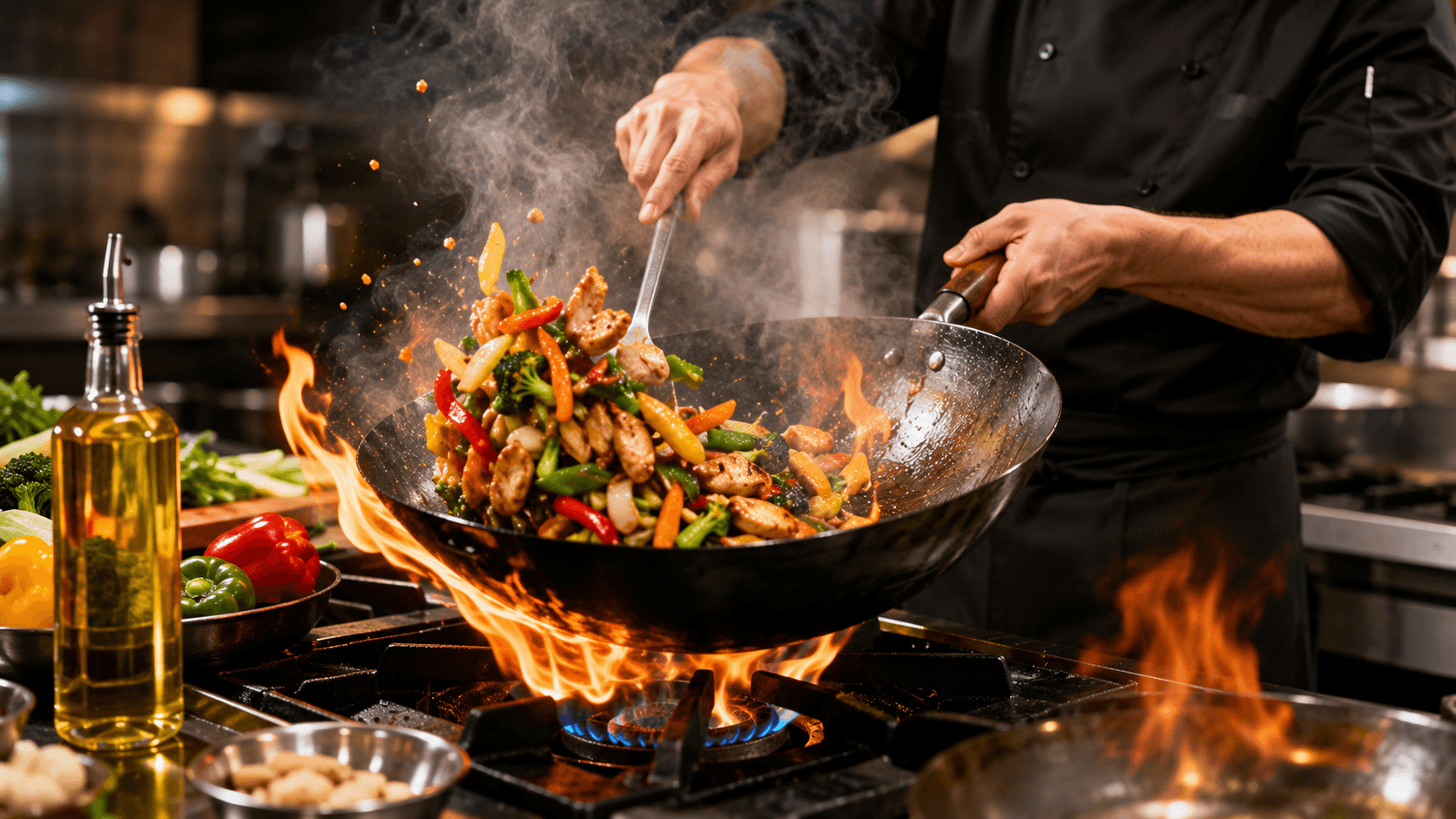
While many oils can tolerate moderate cooking temperatures, some simply aren’t designed for the intense heat used during stir frying. Choosing the wrong oil can result in burnt flavors, excessive smoke, and poor cooking performance.
Extra Virgin Olive Oil
Extra virgin olive oil is excellent for salad dressings, dipping bread, and gentle sautéing, but its rich flavor and lower smoke point make it less suitable for traditional high-heat stir frying.
Butter
Butter burns quickly because the milk solids begin browning at relatively low temperatures. Although butter adds wonderful flavor, it’s not appropriate as the primary cooking fat for wok cooking.
Flaxseed Oil
Flaxseed oil is intended for cold applications and should never be used for stir frying.
Walnut Oil
Walnut oil has a delicate flavor that is easily damaged by high temperatures, making it much better suited for salad dressings than stir fry.
Unrefined Sesame Oil
Many people mistakenly believe sesame oil is the best oil for stir fry. In reality, toasted sesame oil is a finishing ingredient rather than a cooking oil.
Avoid overheating delicate oils. Once oil begins producing heavy smoke, its flavor deteriorates quickly and can negatively affect your entire dish.
Should You Cook With Sesame Oil?
This question appears frequently because sesame oil is strongly associated with Asian cooking.
The answer depends on which type you’re using.
Toasted sesame oil has a deep roasted flavor but a relatively low smoke point. Instead of frying with it, add a teaspoon just before serving. The residual heat from the food releases its rich aroma without damaging its flavor.
Refined sesame oil, however, has a much higher smoke point and can be used for cooking, although many cooks still prefer avocado or peanut oil for maximum performance.
A classic restaurant technique is to cook entirely with a neutral oil and finish with just a few drops of toasted sesame oil immediately before serving. This creates maximum sesame aroma without introducing bitterness.
Expert Tips for Using the Best Oil for Stir Fry
Even if you’ve chosen the best oil for stir fry, your cooking technique plays a major role in achieving restaurant-quality results. Professional chefs don’t rely on the oil alone—they combine the right oil with proper heat management and ingredient preparation.
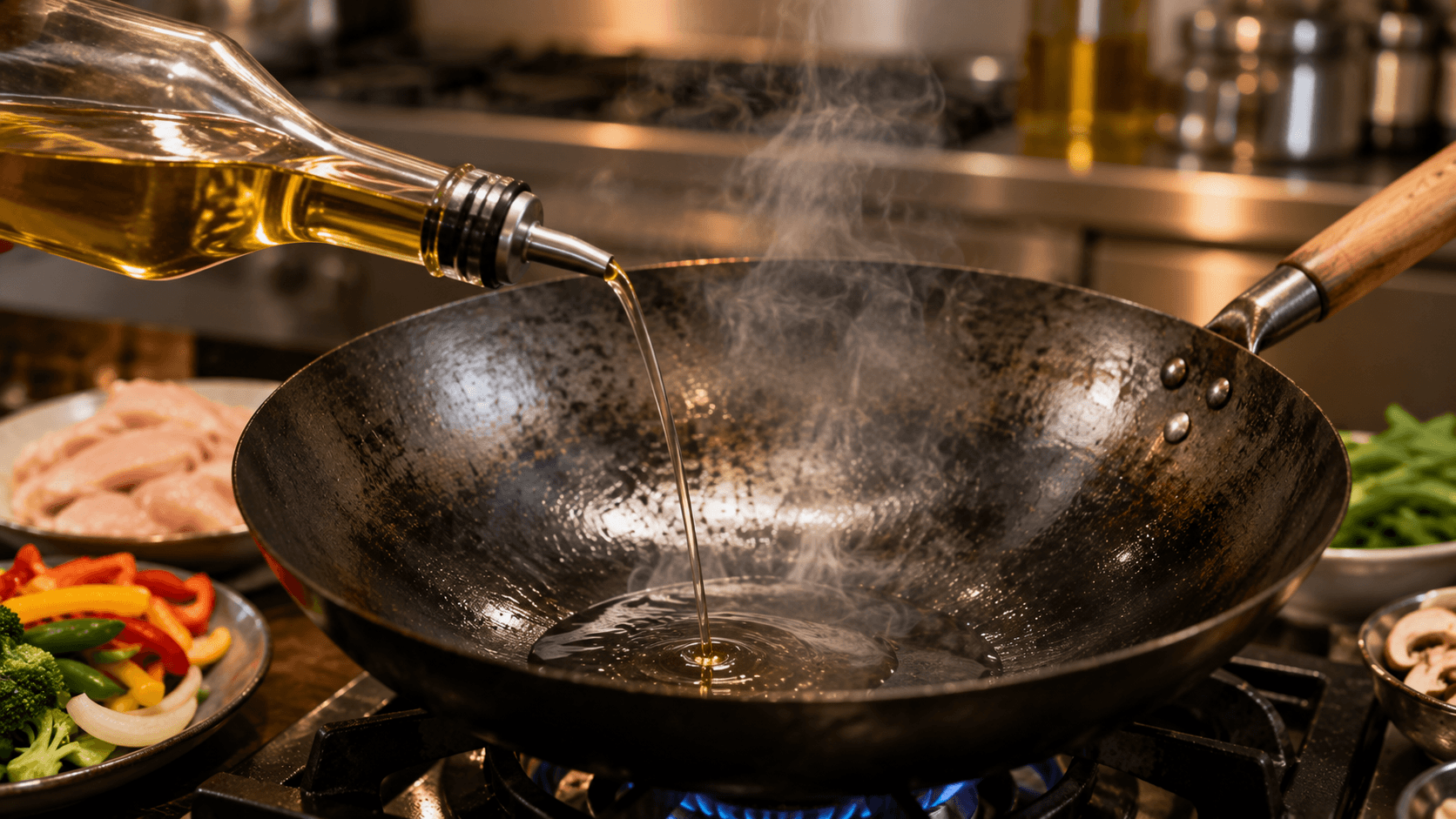
1. Heat the Wok Before Adding Oil
One of the biggest differences between restaurant and home stir frying is the order in which ingredients are added. Professional cooks always heat the wok first, then add the oil.
A properly heated wok allows the oil to spread into a thin, even coating almost instantly. This helps prevent sticking while encouraging ingredients to sear instead of steam.
Tip: If a drop of water evaporates almost immediately when it touches the pan, it’s usually hot enough to add the oil.
2. Use Only the Amount of Oil You Need
More oil doesn’t make a better stir fry. In fact, using excessive oil can leave vegetables greasy and prevent ingredients from browning properly.
For most home stir fry recipes, one to two tablespoons of the best oil for stir fry is enough for a standard 12-inch wok or skillet.
3. Cook in Small Batches
Overcrowding is one of the fastest ways to ruin a stir fry. Too many ingredients lower the temperature of the pan, causing food to release moisture instead of browning.
If you’re cooking for a family, prepare the protein first, remove it from the pan, then cook the vegetables before combining everything with the sauce.
4. Keep the Ingredients Moving
The term “stir fry” exists for a reason. Constant movement helps ingredients cook evenly while preventing burning.
Instead of leaving food in one place, toss or stir it frequently using a spatula or wok turner.
5. Add Aromatics at the Right Time
Garlic, ginger, and green onions cook much faster than proteins or vegetables. Add them after the main ingredients have started cooking to prevent scorching.
Chef’s Secret: If garlic burns, discard it and start over. Burnt garlic introduces bitterness that can overpower the entire dish.
6. Finish With Flavor Oils
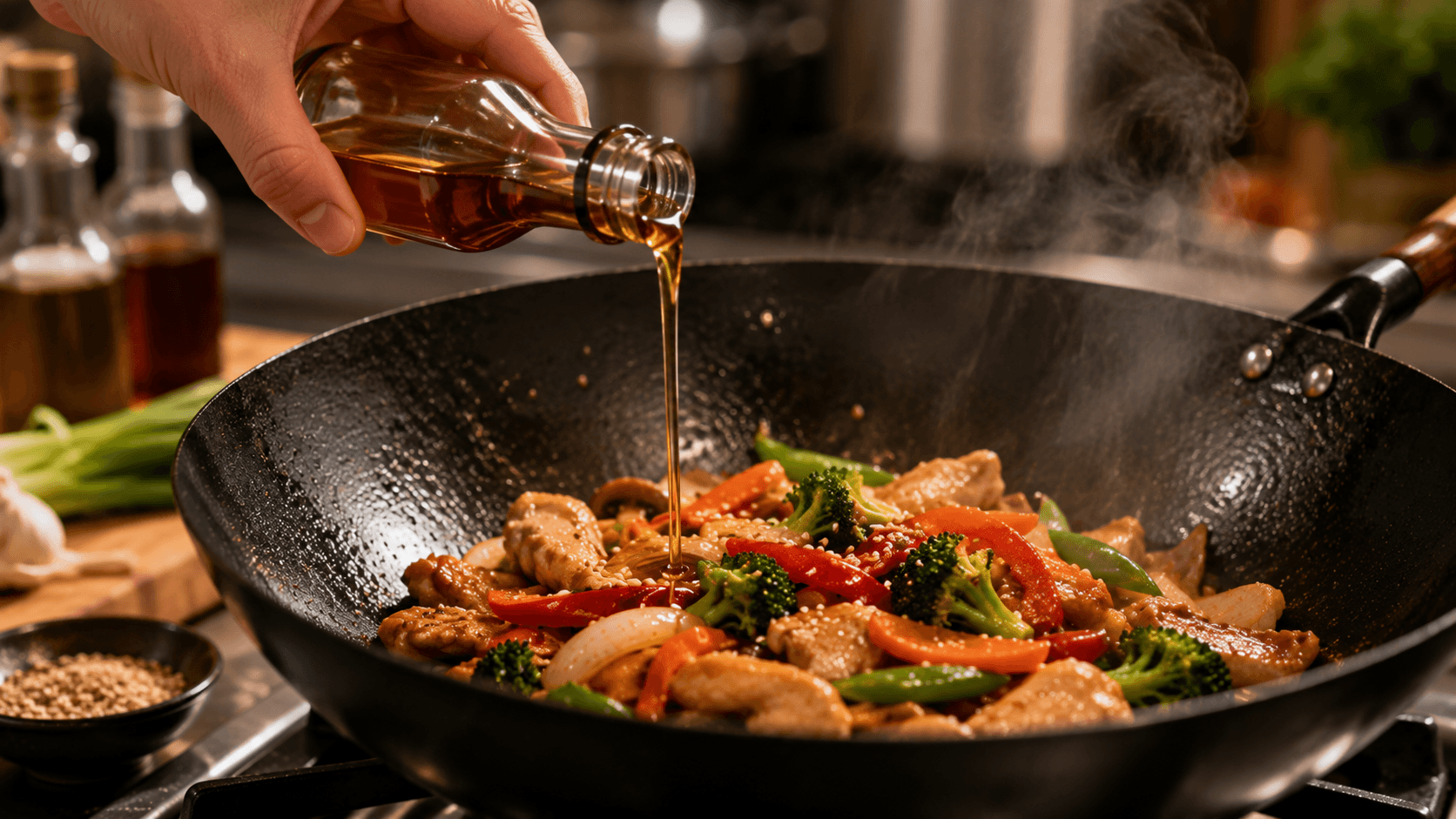
Once the heat is turned off, this is the perfect time to drizzle toasted sesame oil over the finished stir fry. Because the food is still hot, the sesame aroma spreads throughout the dish without exposing the oil to excessive temperatures.
Common Mistakes When Choosing Stir Fry Oil
Even experienced home cooks sometimes make simple mistakes that reduce the quality of their stir fry. Avoiding these common problems will help you get the most from the best oil for stir fry.
Using Extra Virgin Olive Oil Over High Heat
Extra virgin olive oil has wonderful flavor but isn’t the ideal choice for traditional wok cooking because its flavor changes quickly under intense heat.
Using Toasted Sesame Oil as the Main Cooking Oil
This is probably the most common mistake beginners make. Toasted sesame oil should be treated as a finishing ingredient rather than the primary frying oil.
Adding Oil to a Cold Pan
Cold oil in a cold pan encourages sticking and uneven heating. Always heat the cookware first.
Overcrowding the Pan
When too much food is added at once, moisture builds up and ingredients begin steaming instead of browning.
Cooking at Low Heat
Stir frying depends on high temperatures. Low heat causes vegetables to soften before they develop proper color and texture.
Reusing Burnt Oil
If oil has been overheated until it becomes dark or develops a burnt smell, it should be discarded rather than reused.
Remember: If your kitchen fills with thick smoke every time you stir fry, either your oil isn’t suitable for high-heat cooking or your pan is significantly hotter than necessary.
How to Store Cooking Oils Properly
Even the best oil for stir fry won’t perform well if it’s stored incorrectly. Heat, light, and air gradually break down cooking oils, affecting both flavor and cooking performance.
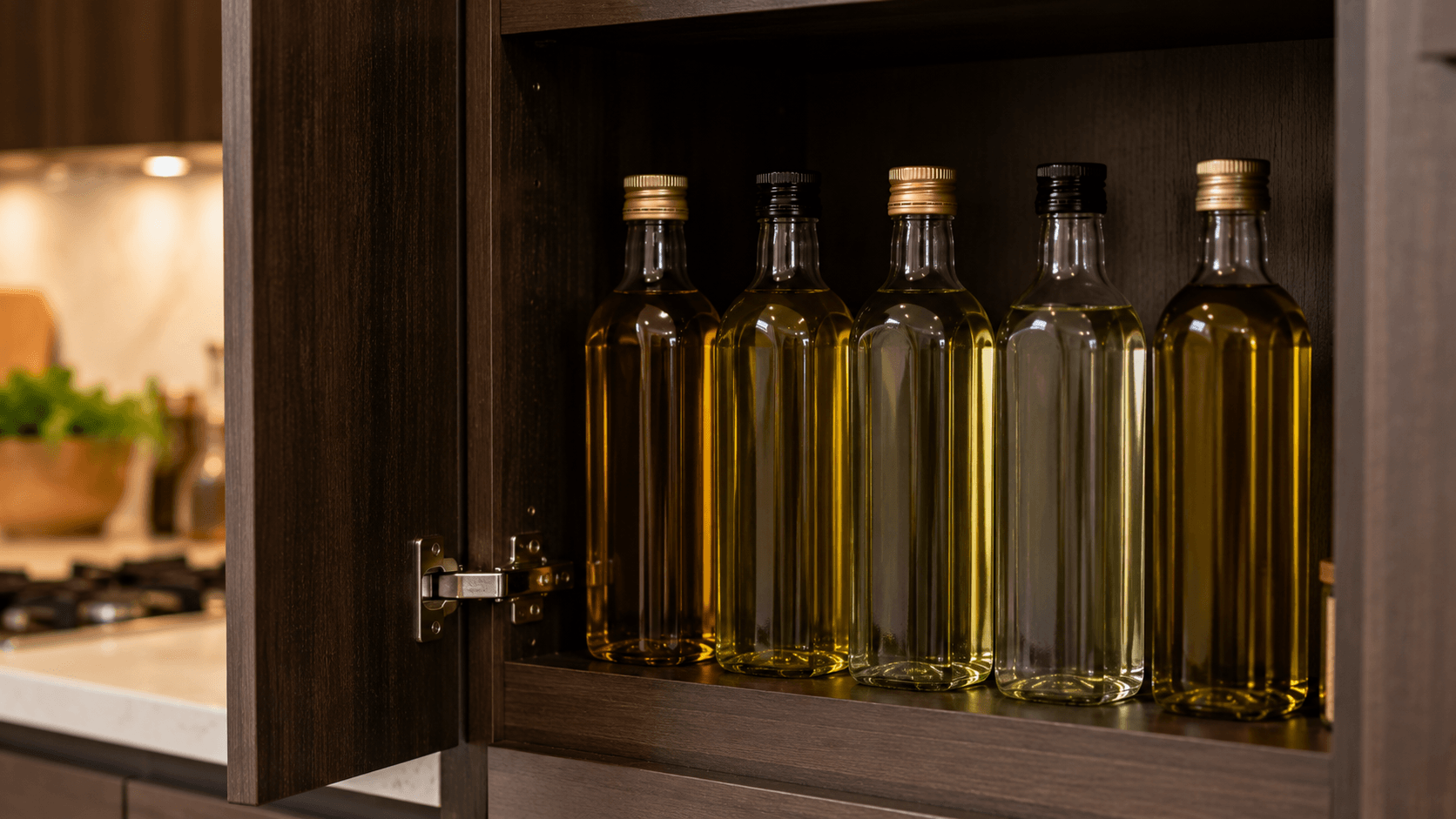
- Store cooking oils in a cool, dark cupboard away from direct sunlight.
- Always replace the cap tightly after each use.
- Keep oil bottles away from the stove whenever possible.
- Purchase quantities you’ll use within several months.
- If an oil smells rancid, sour, or stale, replace it.
- Avoid storing oils in clear containers near windows.
Proper storage helps preserve freshness while extending the useful life of your cooking oils.
Which Oil Is Best for Different Stir Fry Recipes?
Different stir fry recipes can benefit from different cooking oils depending on the ingredients and desired flavor profile.
| Recipe | Recommended Oil | Why It Works |
|---|---|---|
| Chicken Stir Fry | Refined Avocado Oil | Neutral flavor and excellent browning. |
| Beef Stir Fry | Peanut Oil | Adds subtle richness while handling high heat. |
| Shrimp Stir Fry | Grapeseed Oil | Light flavor won’t overpower seafood. |
| Vegetable Stir Fry | Canola or Sunflower Oil | Allows vegetables to remain the main focus. |
| Fried Rice | Avocado or Peanut Oil | Produces excellent browning without burning. |
| Tofu Stir Fry | Rice Bran Oil | Promotes a crispy exterior while remaining neutral. |
If you’re preparing recipes like Sesame Chicken Stir Fry or a classic Chicken Stir Fry, refined avocado oil or peanut oil are excellent choices. If you’re still deciding which cookware to use, our guide comparing a Wok vs. Skillet for Stir Fry can help you choose the best option for your kitchen.
Frequently Asked Questions
What is the best oil for stir fry?
For most home cooks, refined avocado oil is the best overall choice because it has an extremely high smoke point, a neutral flavor, and excellent heat stability. Peanut oil, rice bran oil, grapeseed oil, and refined canola oil are also excellent options for high-heat stir frying.
Can I use olive oil for stir fry?
You can use refined olive oil for moderate to high heat, but extra virgin olive oil isn’t the ideal choice for traditional stir frying because its distinctive flavor and lower smoke point make it less suitable than avocado or peanut oil.
Is sesame oil good for stir frying?
Toasted sesame oil is best used as a finishing oil rather than the primary cooking oil. Add a small amount after cooking to give your stir fry its signature nutty aroma.
Why does my cooking oil smoke so quickly?
Your pan may be too hot, or the oil you’re using has a smoke point that’s too low for stir frying. Switching to a high smoke point oil usually solves the problem.
How much oil should I use for stir fry?
Most home stir fry recipes require only one to two tablespoons of oil. Using too much oil can make the dish greasy without improving cooking performance.
Can I reuse stir fry oil?
If the oil hasn’t burned and contains very few food particles, it can usually be strained and reused once or twice. However, discard oil that smells burnt, appears dark, or has developed an unpleasant odor.
Which oil do Chinese restaurants use?
Many restaurants use peanut oil, soybean oil, rice bran oil, or other refined vegetable oils because they tolerate extremely high cooking temperatures while remaining cost-effective.
Is avocado oil worth the extra cost?
If you frequently cook at high temperatures, refined avocado oil is often worth the investment because of its excellent smoke point, neutral flavor, and versatility.
References
- USDA Food Safety and Inspection Service (FSIS) – Food safety guidance for safe cooking and food handling.
- FoodSafety.gov – Government food safety recommendations and kitchen best practices.
- U.S. Food and Drug Administration (FDA) – Information on food preparation and cooking safety.
Final Thoughts
Finding the best oil for stir fry is about more than choosing the highest smoke point. The ideal oil should complement your ingredients, remain stable under intense heat, and help create the crisp vegetables, juicy proteins, and rich flavors that define great stir fry.
For most home kitchens, refined avocado oil stands out as the best all-around choice thanks to its exceptional heat tolerance and neutral flavor. Peanut oil remains a favorite for authentic Asian-inspired cooking, while grapeseed oil, rice bran oil, sunflower oil, and refined canola oil all perform exceptionally well depending on your budget and preferences.
Remember that technique is just as important as the oil itself. Preheat your wok, cook in small batches, avoid overcrowding the pan, and finish with toasted sesame oil for restaurant-style aroma. These simple habits can dramatically improve the quality of every stir fry you make.
Whether you’re preparing a quick weeknight vegetable stir fry or recreating your favorite takeout meal at home, using the right cooking oil will help you achieve consistent, delicious results every time.
🍽️ You Might Also Like

📧 Save This Recipe For Later
Enter your email and we will send this recipe directly to your inbox.