
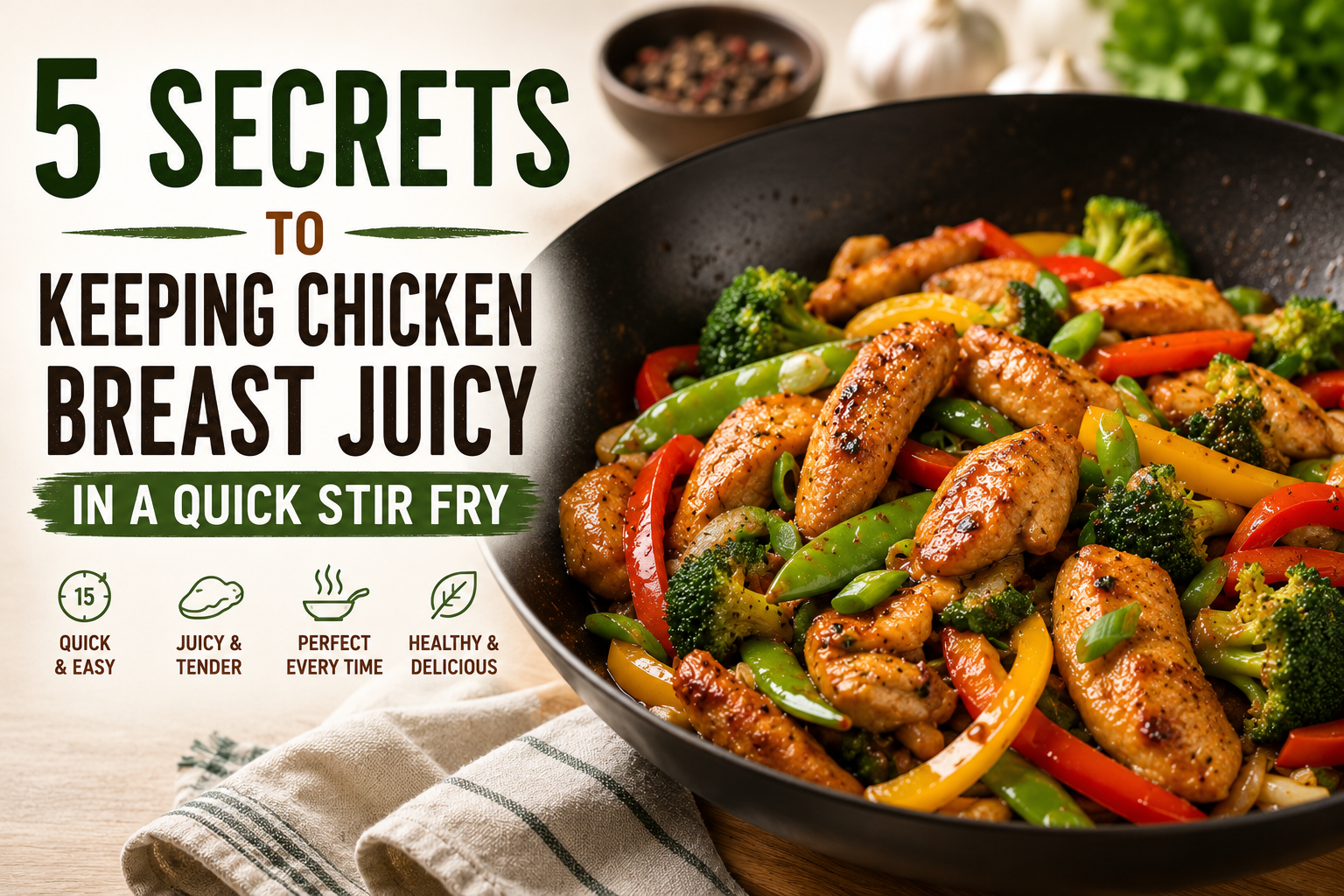
5 Secrets to Keep Chicken Breast Juicy in Stir Fry
5 Secrets to Keeping Chicken Breast Juicy in a Quick Stir Fry
If you’ve ever followed a stir fry recipe only to end up with dry, chewy chicken breast, you’re not alone. Learning how to keep chicken breast juicy in stir fry is one of the biggest challenges for home cooks. Unlike chicken thighs, chicken breast is naturally lean, which means it can lose moisture very quickly when exposed to high heat. Since stir frying is a fast cooking method, even an extra minute in the pan can turn tender chicken into tough, dry bites.
The good news is that juicy chicken breast isn’t a matter of luck. Professional chefs use a few simple techniques that consistently lock in moisture while creating a beautifully browned exterior. From slicing the meat correctly to using the velveting technique and cooking at the right temperature, these small adjustments make an enormous difference in the final result.
In this guide, you’ll discover the five proven secrets that explain how to keep chicken breast juicy in stir fry every single time. You’ll also learn why chicken dries out, which marinades work best, the most common cooking mistakes to avoid, and expert tips that restaurants use every day. Whether you’re preparing a quick weeknight dinner or meal-prepping healthy lunches, these techniques will help you cook tender, flavorful chicken with confidence.
Quick Answer: How Do You Keep Chicken Breast Juicy in Stir Fry?
The easiest way to learn how to keep chicken breast juicy in stir fry is by combining five essential techniques:
- Slice the chicken thinly and against the grain.
- Marinate or velvet the chicken before cooking.
- Use a very hot wok or skillet.
- Cook in small batches instead of overcrowding the pan.
- Remove the chicken as soon as it reaches a safe internal temperature of 165°F (74°C).
These simple steps reduce moisture loss while creating tender, juicy chicken that stays flavorful even after being mixed with vegetables and sauce.
Table of Contents
- Why Chicken Breast Becomes Dry in Stir Fry
- Secret : Slice Chicken the Right Way
- Secret : Velvet the Chicken Before Cooking
- Secret : Cook Over High Heat Without Overcrowding
- Secret : Don’t Overcook the Chicken
- Secret : Add Sauce at the Right Time
- Best Marinades for Juicy Chicken Stir Fry
- Common Mistakes That Make Chicken Breast Dry
- Best Vegetables for Chicken Stir Fry
- Expert Tips
- Storage & Reheating
- FAQs
Why Chicken Breast Becomes Dry in Stir Fry
Before mastering how to keep chicken breast juicy in stir fry, it’s important to understand why chicken breast dries out so easily. Chicken breast contains very little fat compared to chicken thighs. Fat naturally helps meat stay moist during cooking, so lean cuts require much more attention.
When chicken is exposed to high temperatures, its muscle fibers begin to tighten. As these proteins contract, they squeeze water out of the meat. If cooking continues beyond the ideal point, even more moisture escapes, leaving the chicken dry and rubbery.
Another common issue is uneven slicing. Thick pieces require longer cooking times than thin slices. While you’re waiting for the thickest pieces to cook through safely, the thinner ones become overcooked.
Pan temperature also plays a significant role. Many home cooks start with a pan that isn’t hot enough. Instead of searing, the chicken slowly releases moisture and begins steaming in its own juices. This prevents proper browning while drying out the meat.
Adding vegetables too early creates another problem. Vegetables naturally release water as they cook. That extra moisture lowers the pan temperature and causes the chicken to steam instead of sear.
According to the USDA Food Safety and Inspection Service, chicken should reach an internal temperature of 165°F (74°C) to be safely cooked. Going significantly beyond this temperature only increases moisture loss without improving food safety.
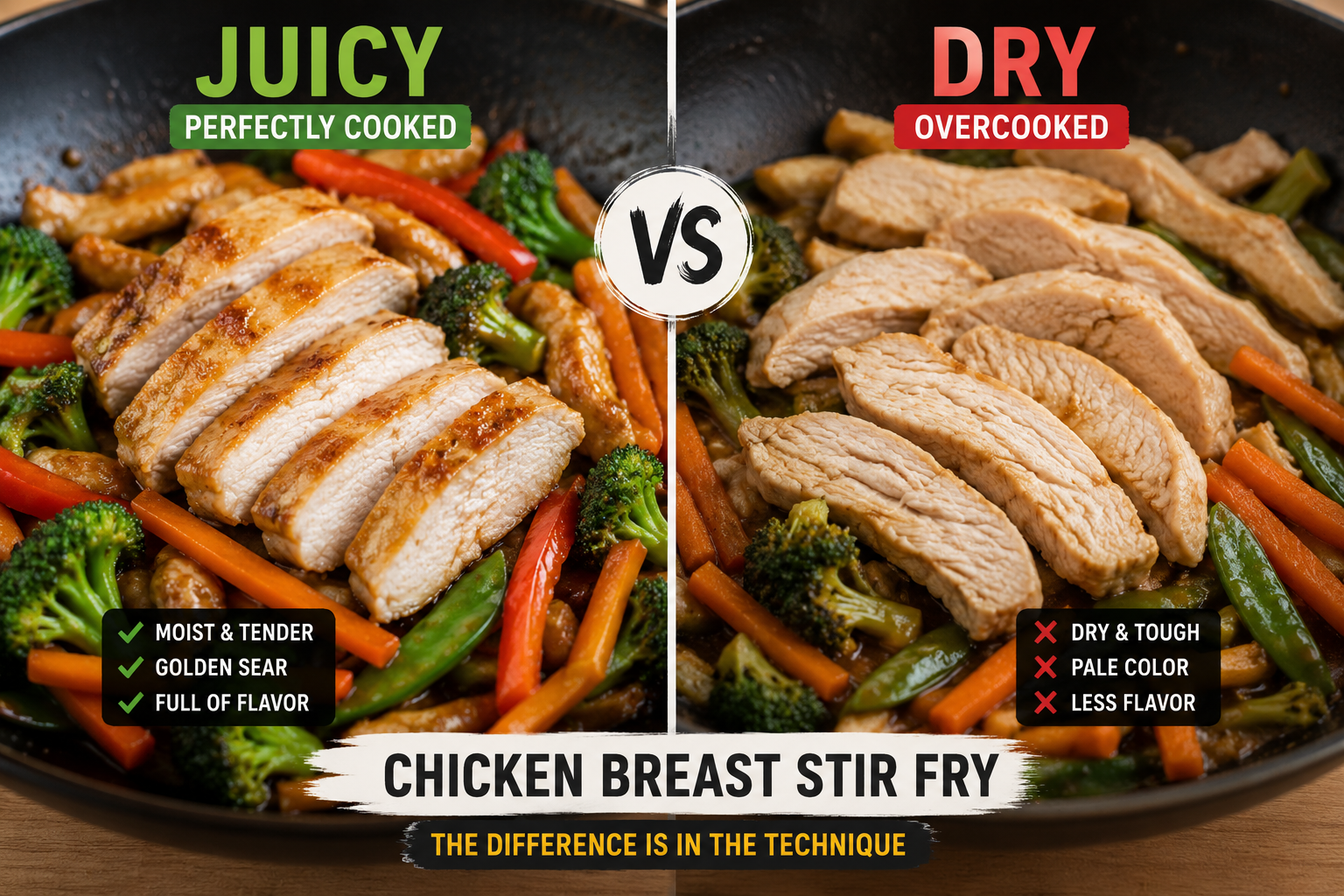
Secret #1: Slice Chicken the Right Way
The very first secret behind how to keep chicken breast juicy in stir fry starts before the pan is even heated. Proper slicing dramatically improves tenderness, cooking speed, and moisture retention.
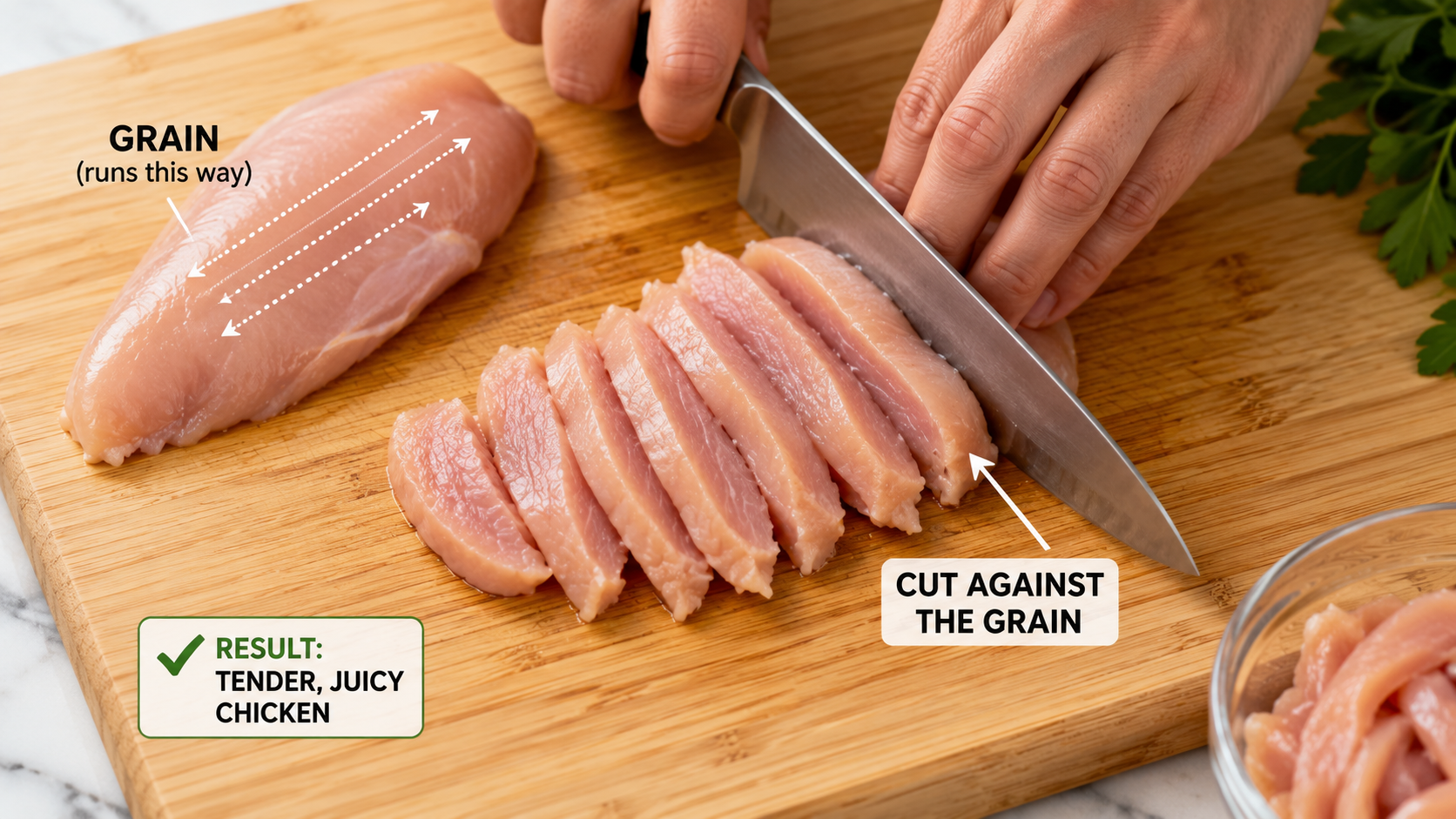
Always slice chicken breast against the grain. The grain refers to the direction the muscle fibers run through the meat. Cutting across those fibers shortens them, making every bite easier to chew.
For stir fry, aim for slices approximately ¼ inch thick. Thin, even slices cook quickly and uniformly, reducing the chance of overcooking.
Best Slice Thickness
Uniform thickness is just as important as slice direction. Pieces that vary greatly in size cook at different speeds, making it nearly impossible to achieve consistent results.
| Slice Thickness | Cooking Result | Recommended? |
|---|---|---|
| 1/8 inch | Cooks very quickly | Excellent |
| 1/4 inch | Ideal balance of tenderness | Best Choice |
| 1/2 inch | Needs longer cooking | Not Ideal |
| Over 1/2 inch | Uneven cooking | Avoid |
Common Cutting Mistakes
- Cutting with the grain.
- Leaving large uneven chunks.
- Slicing partially frozen chicken incorrectly.
- Using a dull knife that tears the meat.
- Ignoring consistent thickness.
If you’re unsure about proper slicing techniques, read our detailed guide on How to Cut Chicken for Stir Fry, where you’ll find step-by-step instructions and visual examples.
Secret #2: Velvet the Chicken Before Cooking
If you’ve ever wondered why restaurant chicken always seems softer and juicier than homemade versions, the answer is often velveting. This technique is one of the biggest secrets behind how to keep chicken breast juicy in stir fry.
Velveting creates a protective coating around the chicken that locks in moisture while allowing the meat to cook quickly over high heat. It also improves texture, making every bite silky, tender, and incredibly juicy.
The most common velveting marinade combines soy sauce, cornstarch, and a small amount of oil. Cornstarch forms a thin barrier around each slice, helping reduce moisture loss during cooking.
Some chefs also add egg white for an even softer texture, while others use a tiny amount of baking soda to tenderize the proteins before rinsing the chicken.
| Velveting Method | Tenderness | Prep Time | Best For |
|---|---|---|---|
| Soy Sauce + Cornstarch | Excellent | 20 minutes | Everyday stir fries |
| Soy Sauce + Egg White | Restaurant Quality | 30 minutes | Extra silky texture |
| Baking Soda Method | Very Tender | 20 minutes | Large chicken breasts |
| Oil + Cornstarch | Very Good | 15 minutes | Quick meals |
A basic velveting marinade can include:
- 1 tablespoon soy sauce
- 1 tablespoon cornstarch
- 1 teaspoon vegetable oil
- Optional: 1 egg white
Mix everything together, coat the chicken thoroughly, and allow it to rest for about 20 to 30 minutes before cooking.
Once your chicken is properly velveted, you’re already well on your way to mastering how to keep chicken breast juicy in stir fry. The next step is learning how to cook it over high heat without overcrowding the pan—a technique that can make or break the final result.
Secret #3: Cook Over High Heat Without Overcrowding
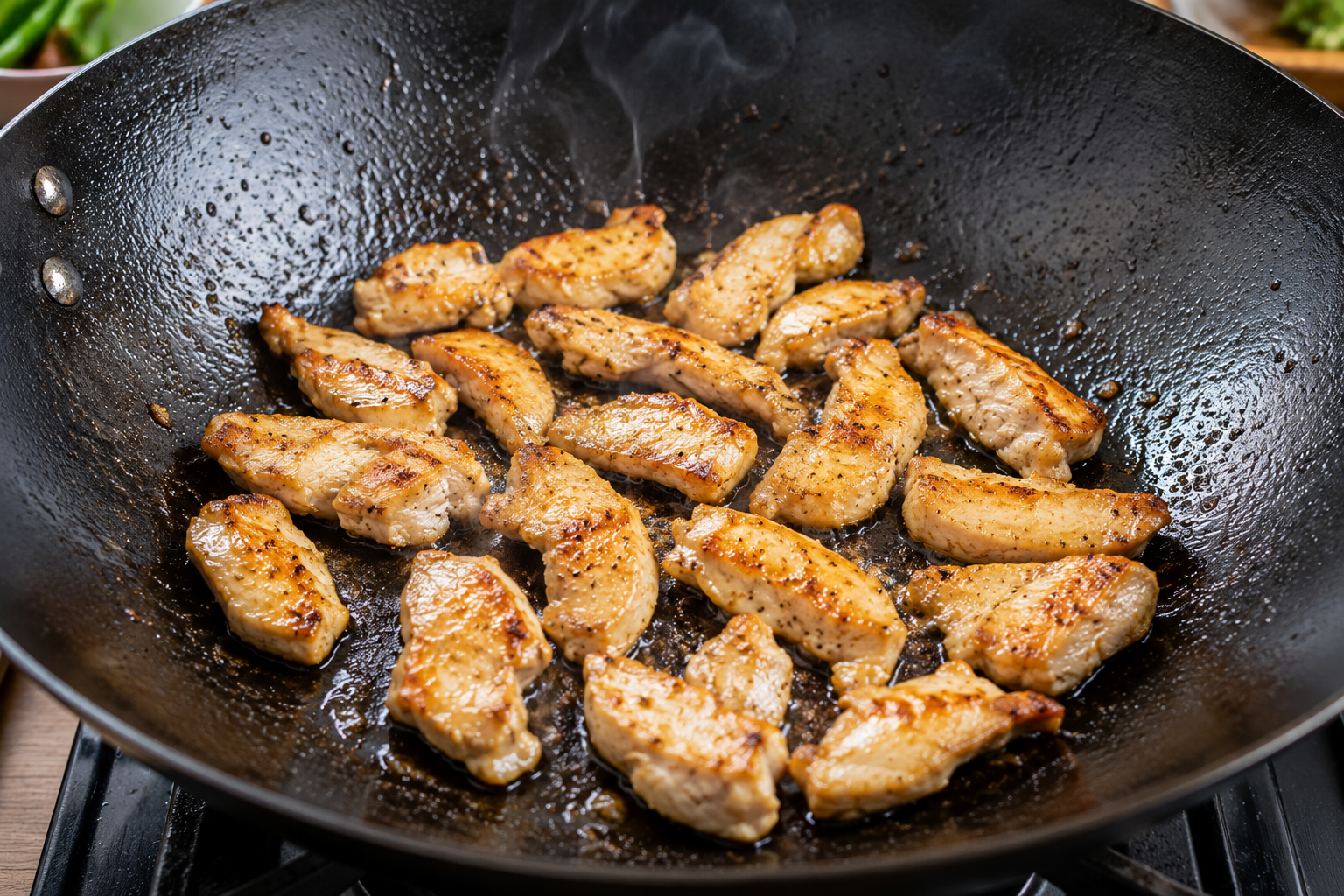
One of the biggest mistakes people make when learning how to keep chicken breast juicy in stir fry is placing too much chicken into the pan at once. While it may seem like a time-saver, overcrowding lowers the pan’s temperature almost instantly. Instead of quickly searing the chicken, the meat releases moisture and begins steaming in its own juices, leading to pale, rubbery pieces rather than juicy, flavorful bites.
Authentic stir frying is designed to be a fast, high-heat cooking method. A properly heated wok or heavy skillet should be hot enough that the chicken starts sizzling the moment it touches the surface. That immediate sear locks in moisture while creating light browning that adds flavour.
If your pan becomes crowded, the liquid released from the chicken has nowhere to evaporate. The meat continues cooking in steam rather than dry heat, which greatly increases moisture loss.
The best approach is to cook chicken in small batches. Although it takes a few extra minutes, the results are significantly better. Each slice gets direct contact with the hot surface, creating a delicious sear without overcooking the inside.
How to Maintain High Heat
- Preheat your wok or skillet for 2–3 minutes.
- Add oil only after the pan is fully heated.
- Spread chicken into a single layer.
- Leave space between each piece.
- Cook in batches if necessary.
- Add vegetables only after removing the chicken.
| Cooking Method | Result | Moisture Retention |
|---|---|---|
| Single Layer | Beautiful sear | Excellent |
| Overcrowded Pan | Steamed chicken | Poor |
| Batch Cooking | Even cooking | Excellent |
| Cold Pan Start | Slow cooking | Poor |
Learning to manage pan temperature is one of the simplest ways to improve how to keep chicken breast juicy in stir fry. Restaurant chefs rarely overcrowd the pan because they know every piece needs direct contact with high heat.
Secret #4: Don’t Overcook the Chicken
Even perfectly sliced and marinated chicken can become dry if it’s left on the heat too long. Understanding exactly when to stop cooking is essential if you want to master how to keep chicken breast juicy in stir fry.
Chicken breast cooks surprisingly quickly when sliced thinly. Most stir fry pieces require only three to five minutes of total cooking time, depending on thickness and pan temperature.
One common mistake is waiting until every piece looks completely white and firm before removing it from the pan. By that stage, the internal temperature has often climbed well beyond the recommended safe level.
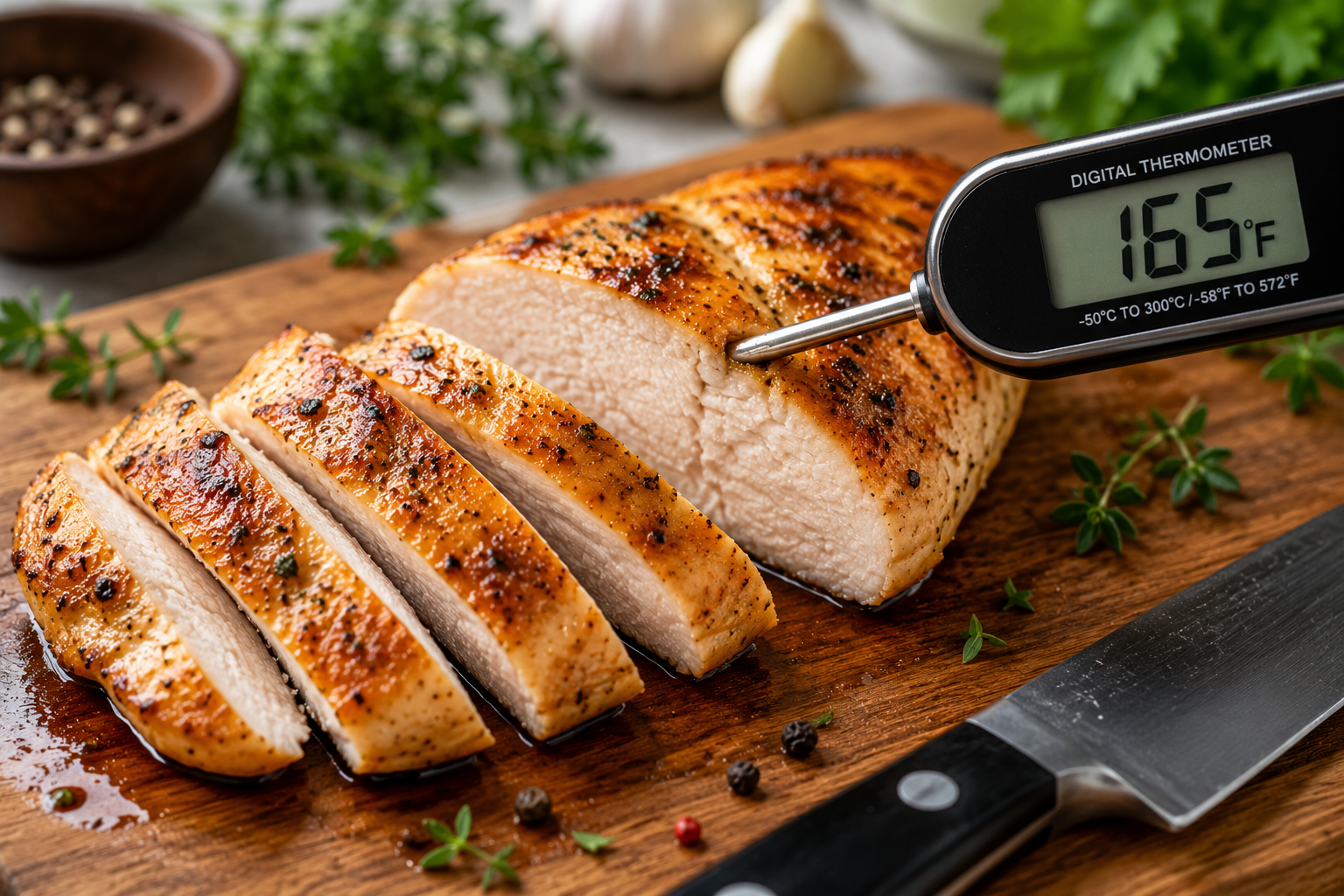
The FoodSafety.gov guidelines recommend cooking chicken until it reaches an internal temperature of 165°F (74°C). Using an instant-read thermometer removes the guesswork and helps prevent overcooking.
Signs Your Chicken Is Perfectly Cooked
- Opaque white exterior.
- No translucent pink centre.
- Firm but still slightly springy texture.
- Clear juices when cut.
- Internal temperature of 165°F (74°C).
| Chicken Thickness | Approximate Cook Time |
|---|---|
| Thin strips (1/8 inch) | 2–3 minutes |
| ¼ inch slices | 3–5 minutes |
| ½ inch slices | 5–7 minutes |
Another useful habit is returning the chicken to the pan only during the final minute after the vegetables are cooked. This warms everything together without exposing the chicken to unnecessary heat.
Secret #5: Add Sauce at the Right Time
The final secret behind how to keep chicken breast juicy in stir fry is surprisingly simple: wait until the very end before adding your sauce.
Many beginners pour sauce into the pan as soon as the chicken starts cooking. While this may seem harmless, it quickly lowers the pan’s temperature and creates steam. Instead of browning, the chicken simmers in liquid and gradually loses its juicy texture.
The ideal method is to cook the chicken first, remove it from the pan, stir fry the vegetables separately, then return the chicken during the last minute before adding the prepared sauce.
Because most stir fry sauces already contain soy sauce, stock, sugar, and thickening agents like cornstarch, they need only a minute or two to coat the ingredients beautifully.
Best Order for Stir Fry Cooking
- Preheat the pan.
- Cook the chicken.
- Remove the chicken.
- Cook vegetables.
- Return chicken.
- Add sauce.
- Toss for 1–2 minutes.
- Serve immediately.
Best Marinades for Juicy Chicken Stir Fry
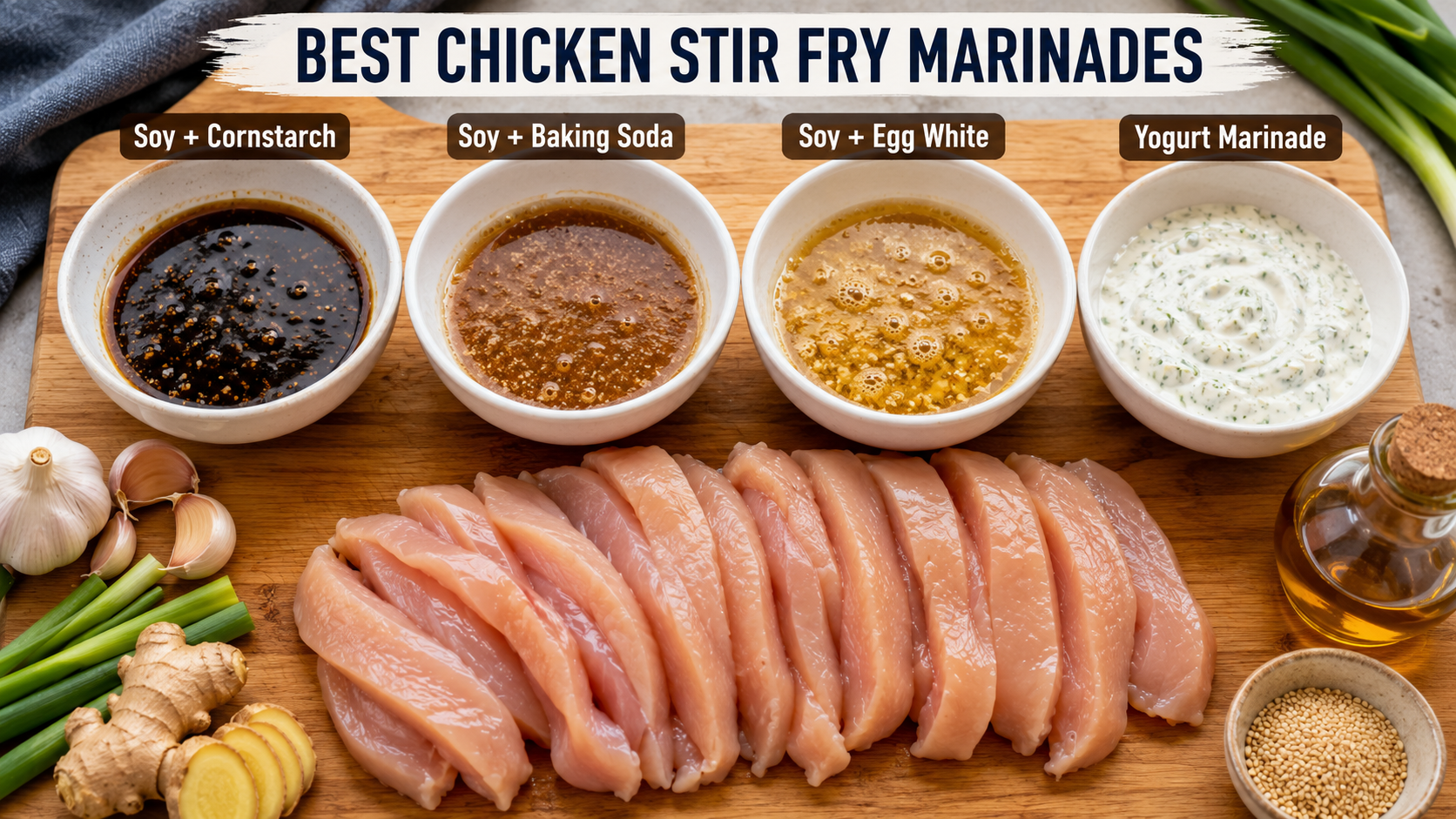
If you’re serious about learning how to keep chicken breast juicy in stir fry, choosing the right marinade is just as important as using the proper cooking technique. A well-balanced marinade seasons the chicken while improving tenderness and helping it retain moisture during high-heat cooking.
The best marinades are simple and work quickly. Most require only 20 to 30 minutes to produce noticeable improvements in flavour and texture.
| Marinade | Best For | Recommended Time |
|---|---|---|
| Soy Sauce + Cornstarch | Everyday Stir Fry | 20 minutes |
| Soy Sauce + Baking Soda | Extra Tender Chicken | 20 minutes |
| Soy Sauce + Egg White | Restaurant Texture | 30 minutes |
| Yogurt Marinade | Maximum Moisture | 30–60 minutes |
Choosing the Right Marinade
A soy sauce and cornstarch marinade is ideal for most home cooks because it’s simple, affordable, and consistently produces juicy results.
If you’re preparing a healthier stir fry using lean chicken breast, you’ll also enjoy these recipes:
Both recipes apply many of the same techniques discussed in this guide while keeping the meals nutritious, high in protein, and perfect for busy weeknights.
✔ Pros of Marinating
- Locks in moisture.
- Improves tenderness.
- Adds deeper flavour.
- Encourages even browning.
- Reduces the chance of dry chicken.
✘ Common Mistakes
- Marinating too long.
- Using too much baking soda.
- Skipping cornstarch.
- Adding too much salt.
- Cooking immediately after mixing.
Common Mistakes That Make Chicken Breast Dry
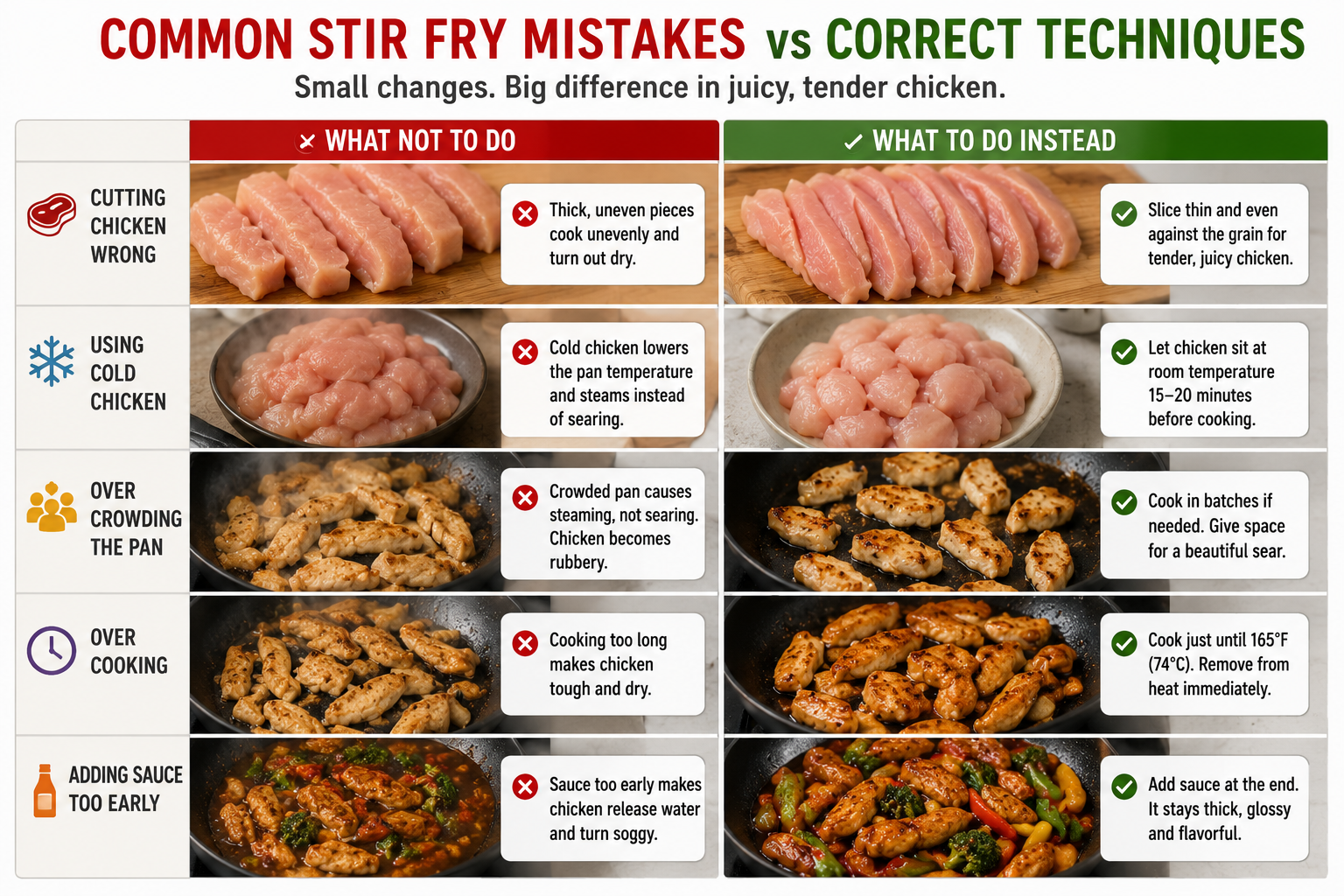
Even after learning how to keep chicken breast juicy in stir fry, a few small mistakes can undo all your hard work. The good news is that each of these problems is easy to avoid once you know what to look for.
Most home cooks don’t intentionally overcook chicken. Instead, they unknowingly make small preparation or cooking mistakes that gradually remove moisture from the meat. Paying attention to these details will help you consistently produce tender, juicy chicken.
| Common Mistake | Why It Happens | Better Solution |
|---|---|---|
| Cutting thick slices | Uneven cooking | Slice ¼-inch pieces against the grain |
| Starting with a cold pan | Chicken steams instead of searing | Preheat the wok completely |
| Overcrowding the pan | Temperature drops | Cook in small batches |
| Adding sauce too early | Creates excess steam | Add sauce during the final minute |
| Cooking too long | Moisture escapes | Remove chicken at 165°F (74°C) |
| Skipping the marinade | Less moisture retention | Marinate for 20–30 minutes |
| Constant stirring | Prevents browning | Allow each side to sear first |
Best Vegetables That Pair with Juicy Chicken Stir Fry
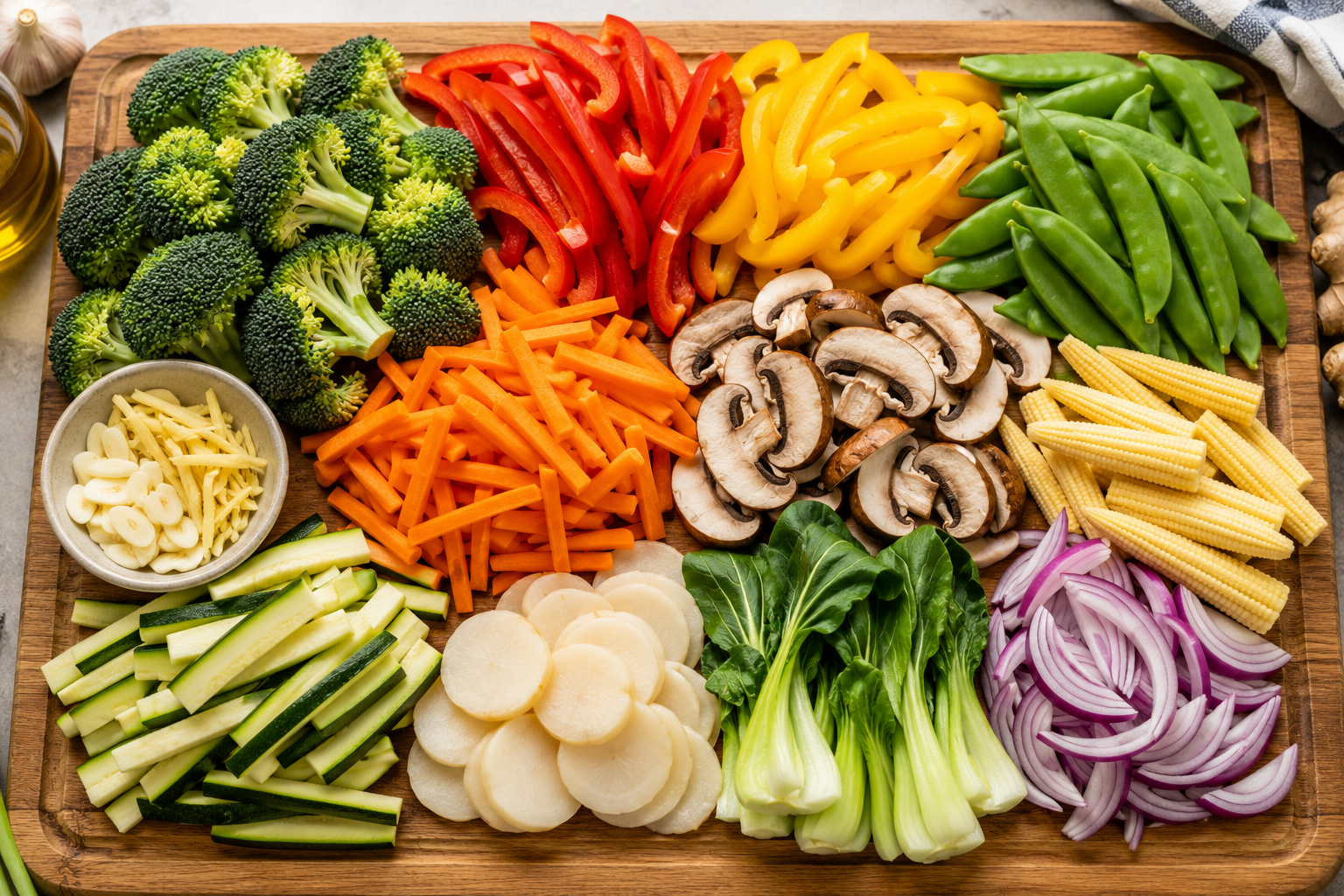
Once you’ve mastered how to keep chicken breast juicy in stir fry, choosing vegetables that cook quickly and complement the chicken helps create a balanced, colourful meal.
The best vegetables stay slightly crisp after cooking and don’t release excessive moisture into the pan.
- Broccoli florets
- Bell peppers
- Snap peas
- Mushrooms
- Carrots
- Baby corn
- Onion
- Bok choy
- Zucchini
- Water chestnuts
Recommended Cooking Order
- Cook chicken first.
- Remove chicken from the pan.
- Cook firm vegetables like carrots and broccoli.
- Add softer vegetables such as mushrooms and peppers.
- Return chicken.
- Add sauce.
- Toss together for one minute.
Expert Tips for Restaurant-Style Juicy Chicken
Professional chefs rely on consistent techniques rather than secret ingredients. These habits make a noticeable difference when practicing how to keep chicken breast juicy in stir fry.
- Prepare every ingredient before heating the pan.
- Dry chicken lightly before marinating.
- Use high-smoke-point oils such as avocado or peanut oil.
- Cook ingredients in the proper order.
- Don’t rush the preheating stage.
- Measure sauces before cooking begins.
- Taste the sauce before adding it to the wok.
- Serve immediately after cooking.
Storage and Reheating Tips
Even when you’ve perfected how to keep chicken breast juicy in stir fry, proper storage helps maintain texture and flavour for future meals.
- Cool leftovers within two hours.
- Store in an airtight container.
- Refrigerate for up to four days.
- Freeze for up to three months.
- Label containers with the preparation date.
Best Reheating Methods
| Method | Result | Recommendation |
|---|---|---|
| Skillet | Best texture | Highly Recommended |
| Microwave | Quick but softer texture | Good |
| Air Fryer | Can dry chicken | Use carefully |
Continue Learning
If you want to continue improving your stir fry skills, these guides from Smart Kitchen Home are excellent next reads:
- How to Cut Chicken for Stir Fry — Learn the correct slicing technique for even cooking and maximum tenderness.
- Low-Calorie Chicken Stir Fry — A healthy, high-protein recipe that puts these techniques into practice.
- Lean Chicken Stir Fry — A simple recipe focused on juicy chicken breast and fresh vegetables.
Frequently Asked Questions
Final Thoughts
Learning how to keep chicken breast juicy in stir fry isn’t complicated, but it does require attention to a few important details. By slicing the chicken against the grain, using a simple velveting marinade, cooking over high heat without overcrowding the pan, avoiding overcooking, and adding the sauce at the right time, you’ll consistently create tender, flavourful chicken that rivals your favourite takeout.
Remember that success starts before the pan is heated. Good preparation, consistent slicing, and proper timing are what separate an average stir fry from an exceptional one. Once these techniques become part of your routine, you’ll find that juicy chicken breast is easy to achieve every time.
About Smart Kitchen Home
This article was researched, written, and reviewed by the Smart Kitchen Home Editorial Team. Our goal is to publish practical recipes, cooking guides, and kitchen resources that help home cooks prepare delicious meals with confidence using reliable cooking techniques and trusted food safety practices.
Sources
This article was researched using guidance from trusted food safety organizations and reliable culinary resources.
🍽️ You Might Also Like




📧 Save This Recipe For Later
Enter your email and we will send this recipe directly to your inbox.