The Ultimate 5-Ingredient Homemade Stir Fry Sauce Recipe
The Ultimate 5-Ingredient Homemade Stir Fry Sauce Base
A great stir fry isn’t just about fresh vegetables or perfectly cooked chicken—it starts with an outstanding homemade stir fry sauce. Whether you’re preparing a quick weeknight dinner or recreating your favorite takeout meal, the sauce is what ties every ingredient together. It provides the balance of salty, sweet, savory, and aromatic flavors that make stir fry one of the world’s most popular cooking methods.
Many home cooks assume they need a long list of specialty Asian sauces to make authentic stir fry. In reality, a delicious homemade stir fry sauce begins with just five pantry-friendly ingredients that are inexpensive, easy to find, and incredibly versatile. Once you understand how these ingredients work together, you’ll be able to create dozens of different flavor combinations without buying a different bottled sauce for every recipe.
Making your own sauce also gives you complete control over sodium, sweetness, thickness, and freshness. Unlike many store-bought options, you can avoid unnecessary preservatives, artificial flavors, and excess sugar while adjusting the recipe to suit your family’s taste.
This guide explains everything you need to know about making the ultimate homemade stir fry sauce. You’ll learn why each ingredient matters, how to customize the flavor, the most common mistakes to avoid, proper storage techniques, and the best meals to pair it with. By the end, you’ll have one reliable sauce recipe that works with chicken, beef, shrimp, tofu, noodles, vegetables, and fried rice.
Quick Answer
Homemade stir fry sauce is a simple mixture of soy sauce, chicken broth (or water), cornstarch, brown sugar (or honey), and fresh garlic. These five ingredients create the perfect balance of umami, sweetness, and thickness for nearly every stir fry recipe. Mix everything before cooking, then pour the sauce into the wok during the final one to three minutes of cooking so it thickens quickly and coats every ingredient evenly.
- Uses only five everyday ingredients
- Ready in less than five minutes
- Works with chicken, beef, pork, shrimp, tofu, and vegetables
- Easy to customize with ginger, sesame oil, chili flakes, or oyster sauce
- Stores well for meal prep
Table of Contents
Why Make Homemade Stir Fry Sauce?
A reliable homemade stir fry sauce is one of the most valuable recipes every home cook should learn. Instead of filling your pantry with different bottled sauces for teriyaki, garlic, sesame, spicy, or vegetable stir fries, you can prepare one versatile base that adapts to nearly every recipe.
The biggest advantage is consistency. Once you understand the basic ratio of salty, sweet, thickening, and aromatic ingredients, your stir fries become more predictable. Every batch tastes fresh, balanced, and customized to your preferences instead of relying on commercially prepared sauces that often contain excessive sodium or added sugars.
Cost is another major benefit. Five pantry staples cost far less than buying multiple bottles of specialty sauces. Since most of these ingredients already appear in everyday cooking, there’s very little waste.
Homemade sauces are also ideal for families with dietary preferences. You can reduce sodium by using low-sodium soy sauce, replace brown sugar with honey or maple syrup, choose gluten-free tamari instead of regular soy sauce, or even make vegetarian versions by using vegetable broth.
Perhaps the greatest benefit is flexibility. The same homemade stir fry sauce can become a garlic sauce, spicy sauce, honey sesame sauce, ginger sauce, or teriyaki-inspired sauce simply by adding one or two extra ingredients.
Tip: Preparing a jar of homemade stir fry sauce at the beginning of the week makes weeknight dinners significantly faster. Simply shake the jar and pour it into the wok whenever you’re ready to cook.
The 5 Essential Ingredients for Homemade Stir Fry Sauce
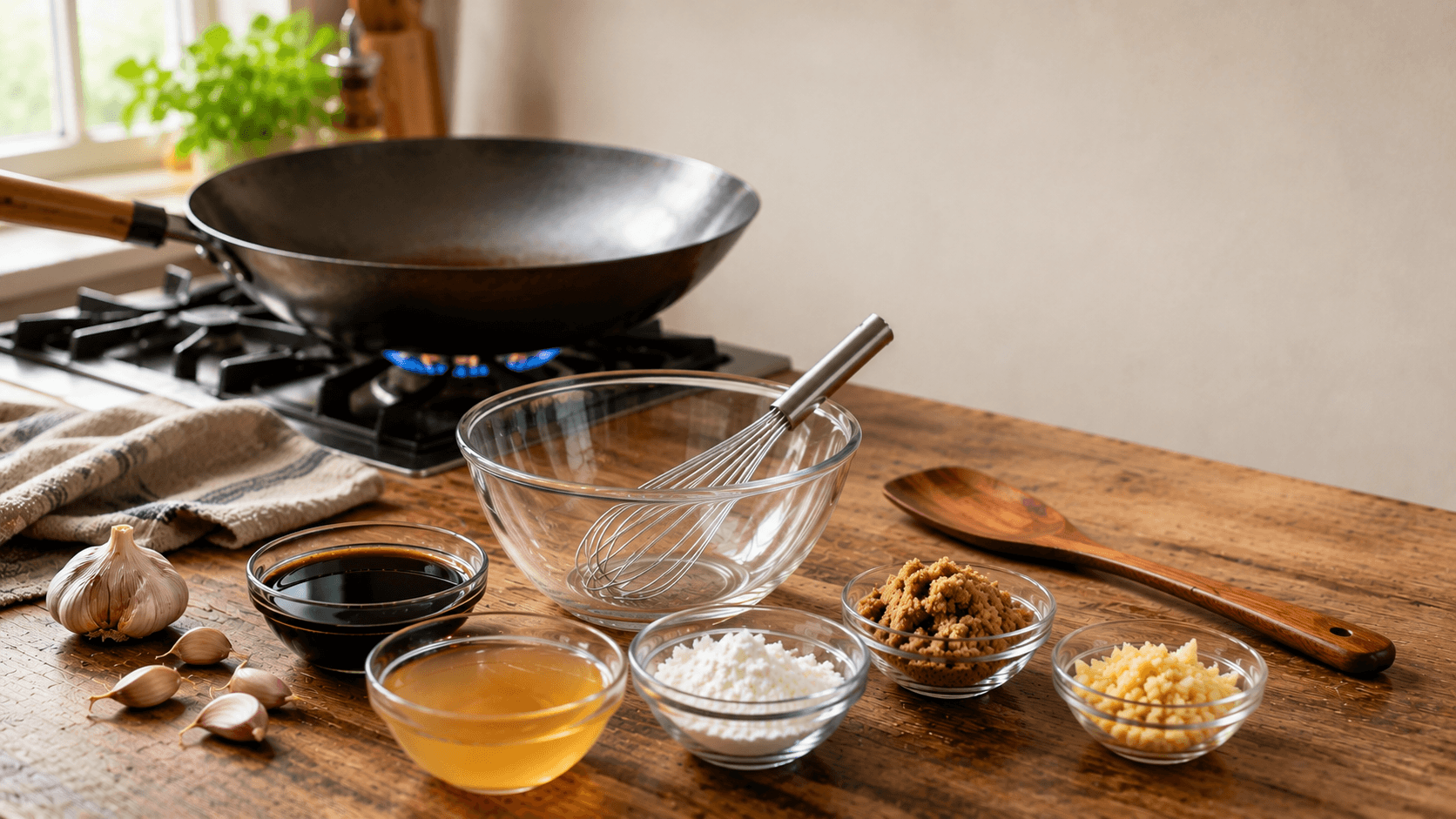
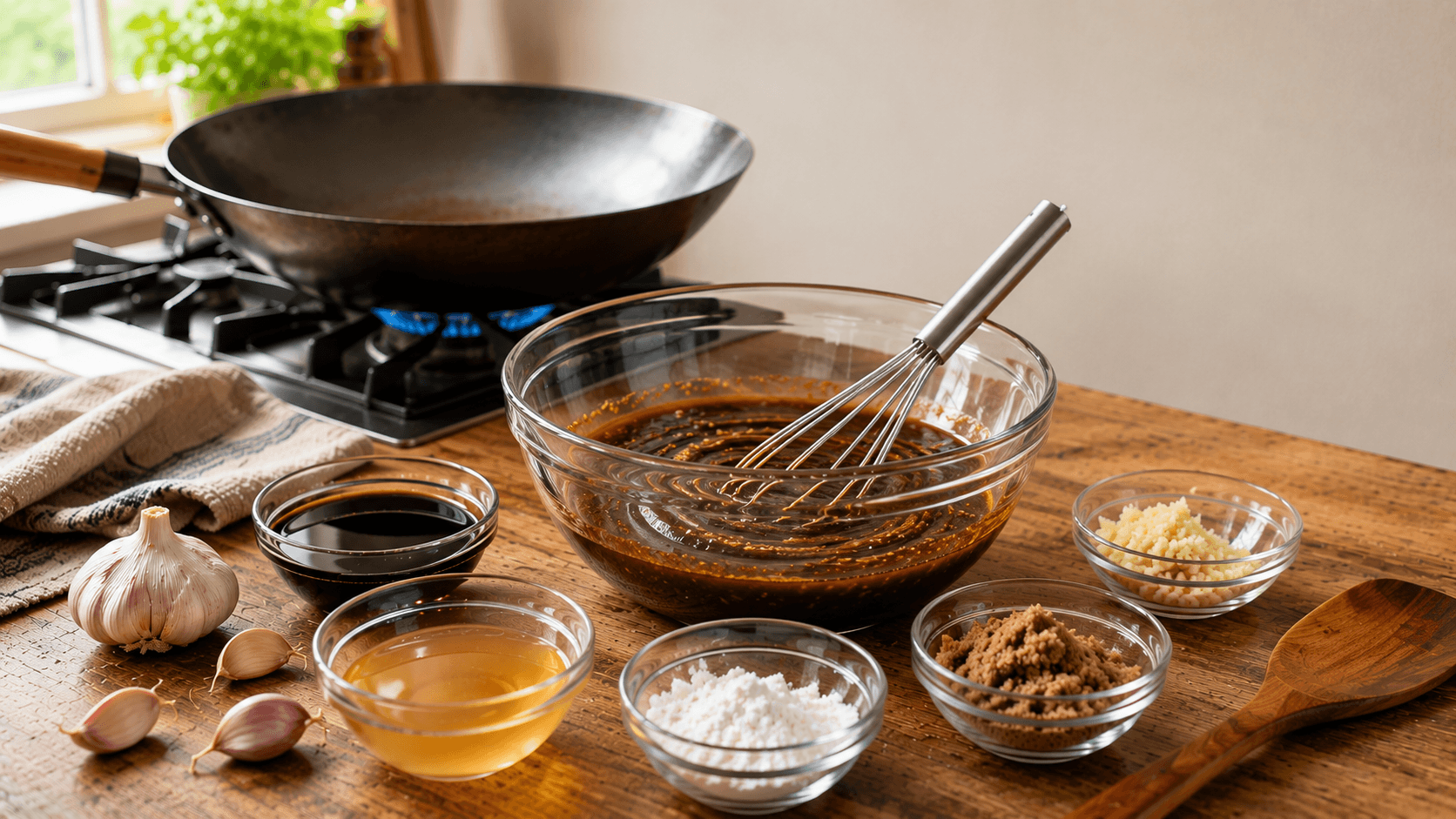
The beauty of a homemade stir fry sauce is its simplicity. Every ingredient has a specific purpose, and together they create a balanced sauce that tastes rich, glossy, and full of flavor. Understanding what each ingredient contributes will help you confidently customize the sauce for different recipes without ruining the balance.
| Ingredient | Purpose | Possible Substitute |
|---|---|---|
| Low-Sodium Soy Sauce | Provides saltiness and deep umami flavor. | Tamari or Coconut Aminos |
| Chicken Broth | Dilutes the soy sauce while adding savory richness. | Vegetable Broth or Water |
| Cornstarch | Creates the signature glossy coating. | Arrowroot or Potato Starch |
| Brown Sugar | Balances salty flavors with gentle sweetness. | Honey or Maple Syrup |
| Fresh Garlic | Adds bold aroma and classic stir fry flavor. | Garlic Paste |
1. Low-Sodium Soy Sauce
Soy sauce is the foundation of nearly every classic homemade stir fry sauce. It delivers the deep savory taste known as umami while providing enough salt to season the entire dish.
Using a low-sodium variety is usually the best choice because it gives you more control over the final seasoning. You can always add extra soy sauce later, but it’s much harder to fix a sauce that’s too salty.
If you need a gluten-free option, tamari is an excellent substitute with a similar flavor profile.
2. Chicken Broth
Chicken broth softens the intensity of soy sauce while adding extra depth. It also increases the volume of the sauce so it evenly coats every piece of chicken and every vegetable.
Vegetable broth works just as well for vegetarian meals, while plain water is perfectly acceptable when broth isn’t available. Although water lacks additional flavor, the remaining ingredients still produce an excellent sauce.
3. Cornstarch
Cornstarch is what transforms a thin liquid into the glossy coating found in restaurant-quality stir fries.
As the sauce heats inside the wok, the cornstarch thickens quickly, allowing the liquid to cling to vegetables, meat, noodles, or rice instead of pooling at the bottom of the pan.
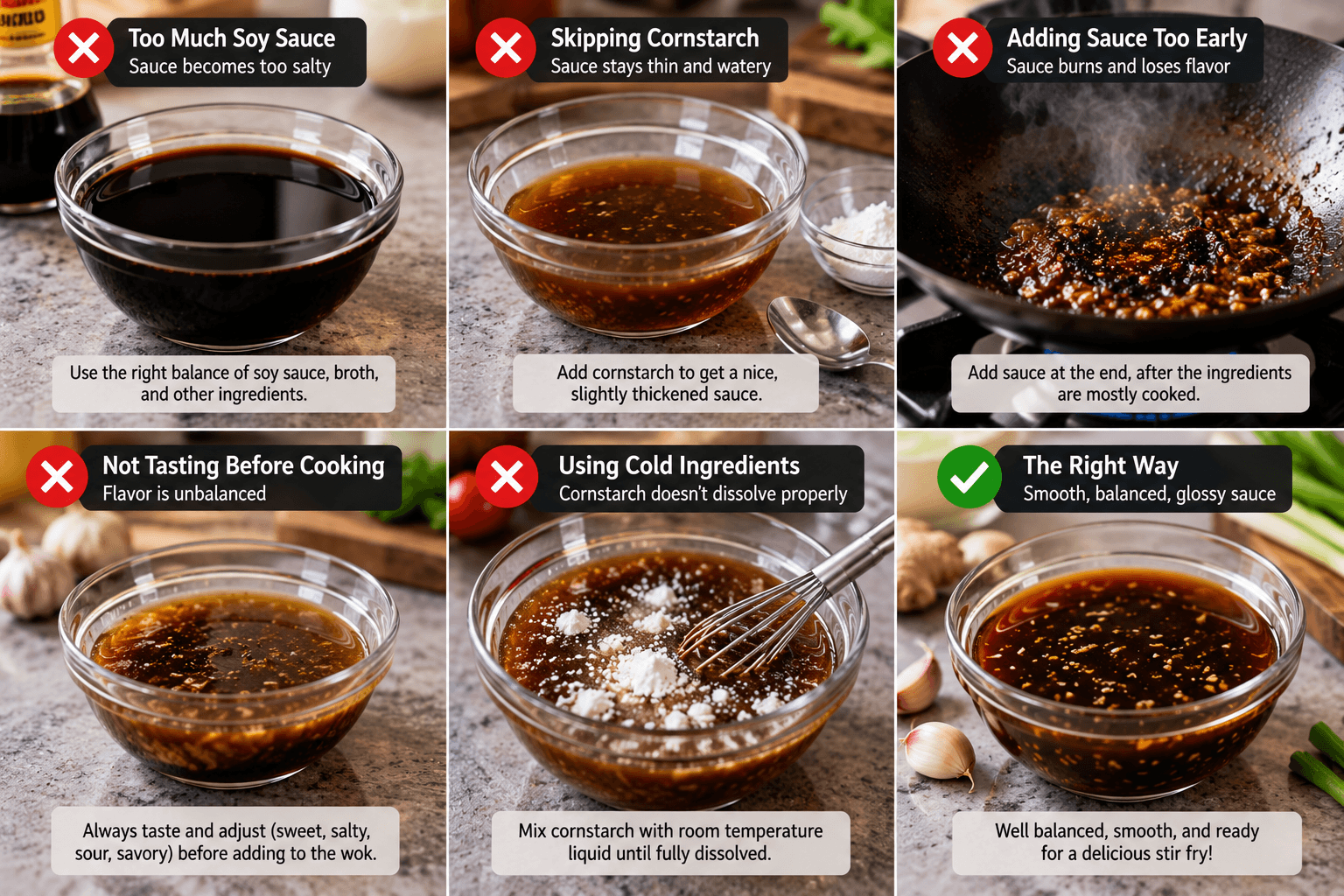
Kitchen Secret: Always whisk cornstarch into cold liquid before cooking. Adding dry cornstarch directly to a hot wok almost always creates stubborn lumps.
4. Brown Sugar
A small amount of sweetness makes an enormous difference. Brown sugar balances the saltiness of soy sauce and helps round out the overall flavor without making the sauce taste sweet.
Because brown sugar contains molasses, it also contributes a slightly deeper, richer flavor than white sugar.
If you prefer natural sweeteners, honey works beautifully and gives the sauce a silky finish. Maple syrup is another excellent alternative for a subtle sweetness.
5. Fresh Garlic
Fresh garlic provides the unmistakable aroma that many people associate with restaurant stir fry. While garlic powder is convenient, freshly minced garlic produces brighter, more complex flavor.
The garlic should be finely minced so it blends evenly throughout the sauce instead of creating large pieces that may burn during cooking.
Why This Homemade Stir Fry Sauce Works So Well
Every great homemade stir fry sauce is built around balance. Professional chefs don’t simply combine random ingredients—they carefully balance salty, sweet, aromatic, and thickening elements so no single flavor overwhelms the others.
When soy sauce, broth, garlic, sugar, and cornstarch are mixed together, each ingredient performs a different role.
- Soy sauce provides umami and seasoning.
- Chicken broth distributes flavor evenly.
- Cornstarch thickens the sauce into a glossy glaze.
- Brown sugar softens the saltiness.
- Fresh garlic creates aroma and freshness.
Because these ingredients complement one another, the result is a sauce that tastes complete rather than overly salty, overly sweet, or bland.
This balanced formula is also why the same homemade stir fry sauce works with almost every protein. Whether you’re cooking chicken breast, chicken thighs, shrimp, beef strips, pork, tofu, mushrooms, or mixed vegetables, the sauce enhances the ingredients without overpowering them.
Another advantage is versatility. Once you’ve mastered this simple base, you can create dozens of variations by adding only one or two ingredients. Fresh ginger adds brightness, sesame oil contributes a nutty aroma, chili garlic sauce increases heat, while rice vinegar introduces a subtle tang that balances richer dishes.
Understanding this flavor balance also makes it much easier to fix problems. If your sauce tastes too salty, increase the broth. If it’s too thick, add a splash of water. If it tastes flat, a little extra garlic or ginger often brings it back to life.
Pro Tip: Taste the sauce before adding it to the wok. It’s much easier to adjust sweetness, saltiness, or acidity while it’s still in the mixing bowl than after it has thickened during cooking.
The Ultimate 5-Ingredient Homemade Stir Fry Sauce Recipe
Now that you understand how each ingredient contributes to the final flavor, it’s time to combine them into one dependable homemade stir fry sauce. This recipe has been carefully balanced to produce a glossy, savory sauce that complements almost any stir fry without overpowering the fresh ingredients.
Unlike many bottled sauces, this recipe isn’t overly salty or overly sweet. Instead, it creates a balanced foundation that you can customize for different proteins, vegetables, noodles, or rice dishes.
| Ingredient | Amount | Purpose |
|---|---|---|
| Low-sodium soy sauce | ¼ cup | Provides umami and seasoning |
| Chicken broth | ½ cup | Adds moisture and balances saltiness |
| Cornstarch | 1 tablespoon | Thickens the sauce |
| Brown sugar | 1 tablespoon | Balances savory flavors |
| Fresh garlic, minced | 2 cloves | Adds fresh aroma and flavor |
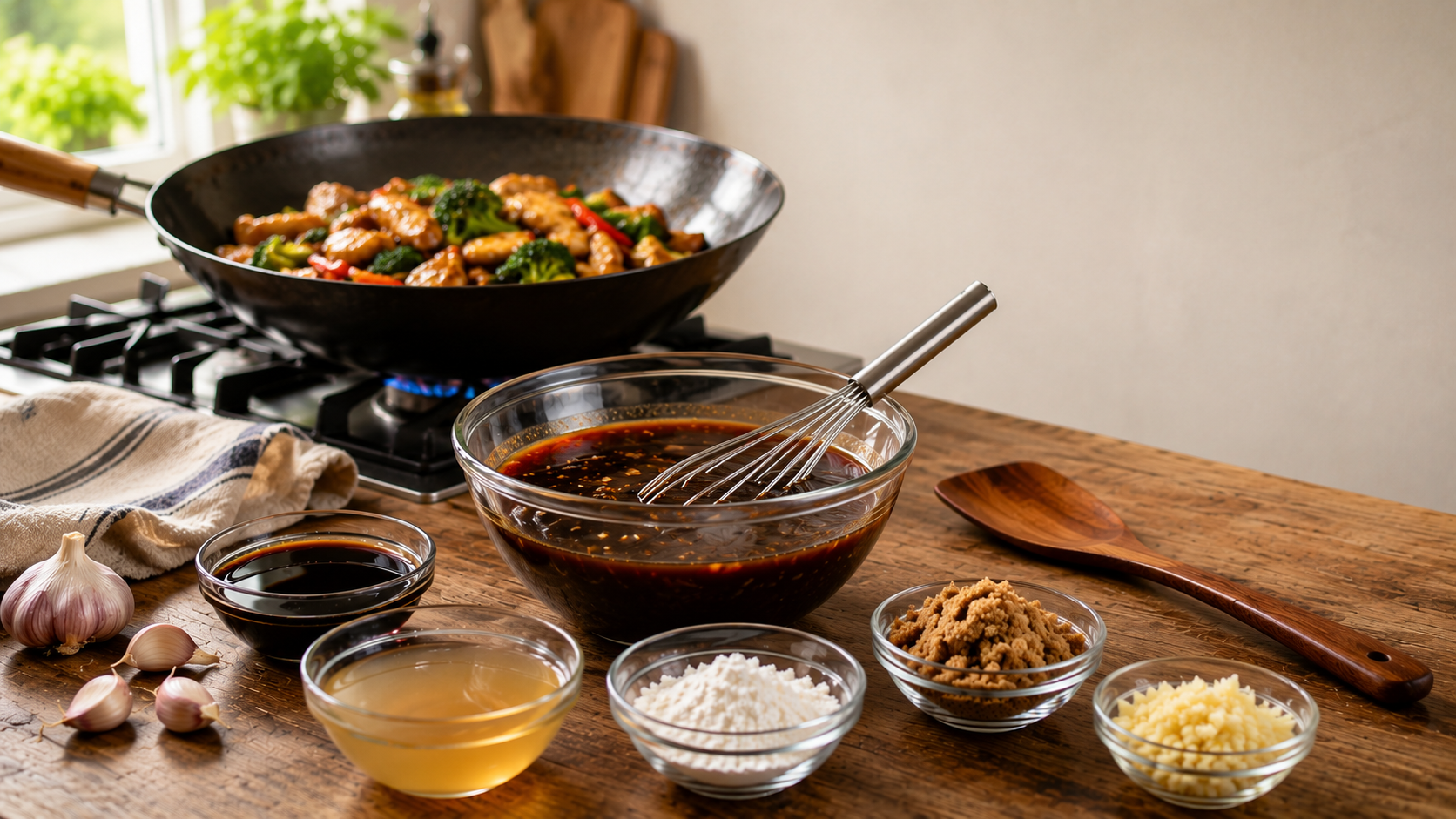
How to Mix the Sauce
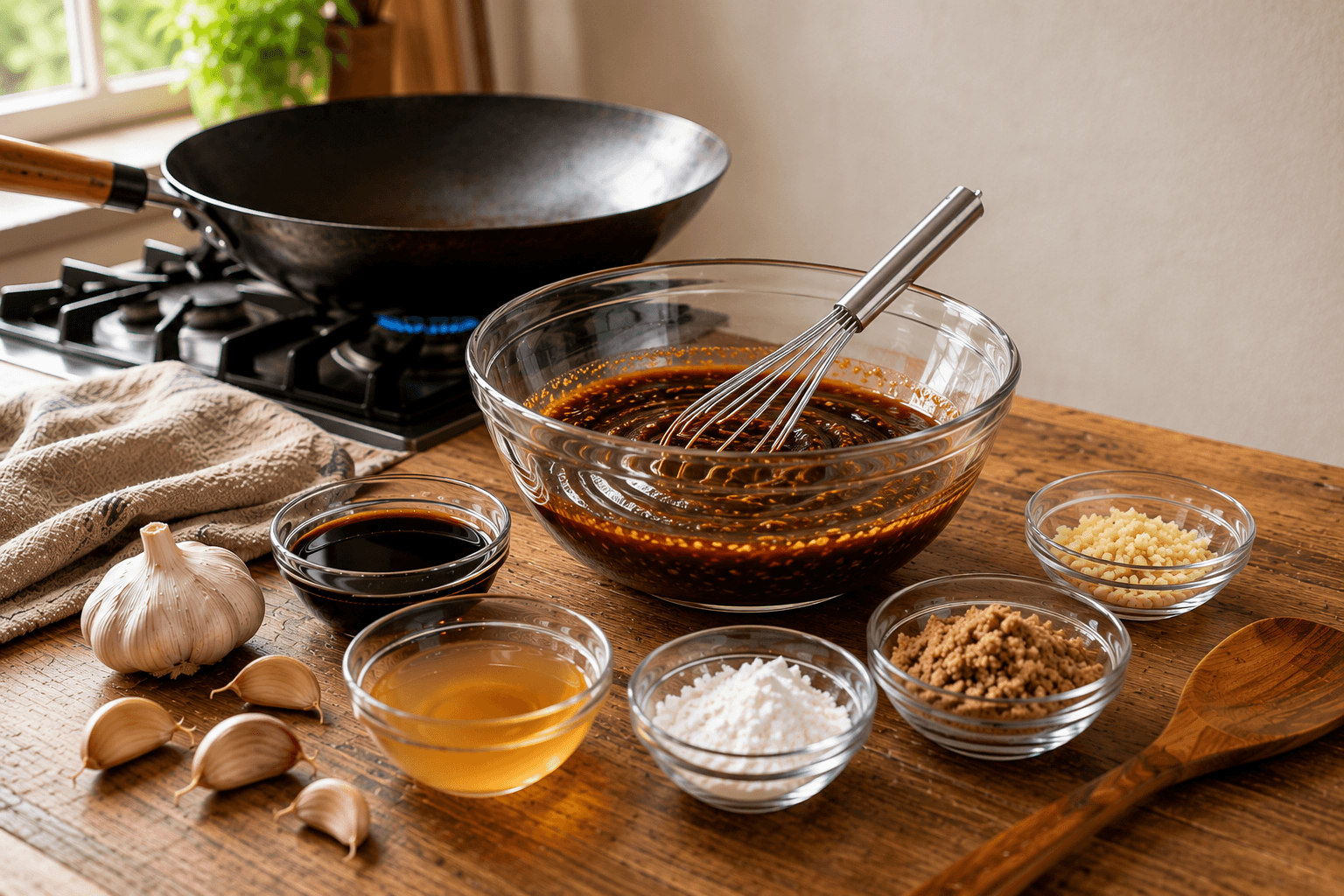
- Add the soy sauce and chicken broth to a medium mixing bowl.
- Whisk in the brown sugar until fully dissolved.
- Add the minced garlic.
- Sprinkle in the cornstarch while whisking continuously.
- Continue whisking until the mixture is completely smooth.
- Let the sauce sit for two to three minutes before using so the cornstarch fully hydrates.
At this stage, the homemade stir fry sauce should look thin. Don’t worry—this is exactly how it should appear. The cornstarch activates only when heated, transforming the liquid into a glossy coating once it reaches the hot wok.
Kitchen Secret: Restaurant chefs almost always prepare the sauce before they begin cooking. Because stir fry cooks so quickly, stopping to measure ingredients while food is in the wok can lead to overcooked vegetables or dry chicken.
When Should You Add Homemade Stir Fry Sauce?
Timing is one of the biggest differences between a restaurant-quality stir fry and one that tastes watery or overcooked. Even the best homemade stir fry sauce won’t perform well if it’s added at the wrong stage of cooking.
The correct time to add the sauce is after the protein is nearly cooked and the vegetables are crisp-tender. At this point, the wok is still very hot, allowing the sauce to thicken almost immediately.
| Cooking Stage | What to Do |
|---|---|
| Cook Protein | Sear chicken, beef, shrimp, or tofu until almost done. |
| Add Vegetables | Cook until crisp-tender. |
| Pour in Sauce | Add during the final 1–3 minutes. |
| Stir Constantly | Coat every ingredient evenly. |
| Serve Immediately | Enjoy while the sauce is glossy and hot. |
If the sauce is added too early, the garlic may lose its fresh flavor, the cornstarch can over-thicken, and the vegetables may become soft instead of crisp.
If it’s added too late, the sauce may remain watery and won’t properly coat the food.
Avoid This Mistake: Never pour a cold jar of homemade stir fry sauce directly into the wok without shaking or whisking it first. Cornstarch naturally settles to the bottom during storage, and failing to remix it can result in uneven thickening.
Easy Ways to Customize Your Homemade Stir Fry Sauce
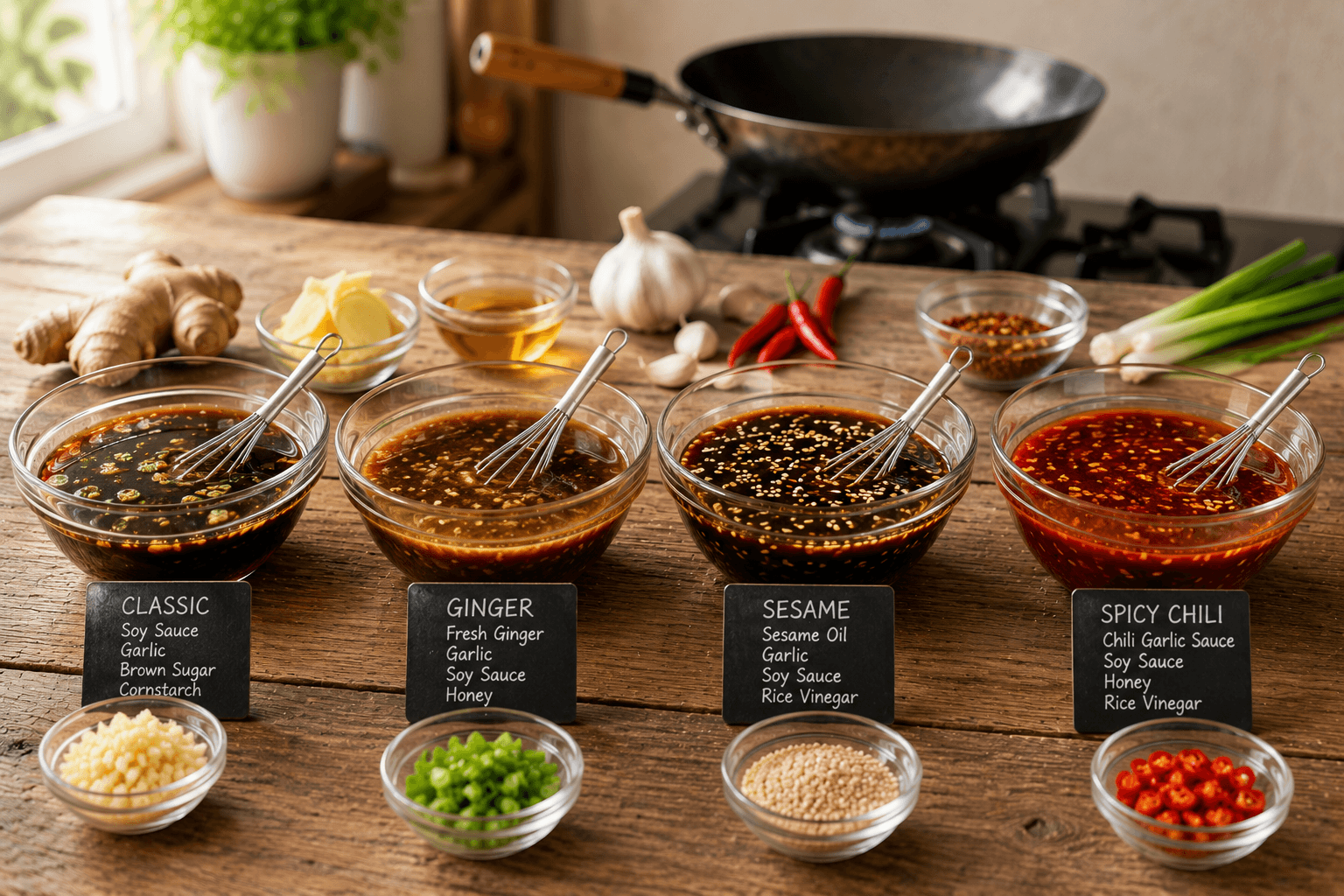
One reason this homemade stir fry sauce is so useful is that it serves as a blank canvas. With just one or two extra ingredients, you can create completely different flavor profiles while keeping the same reliable base recipe.
| Add-In | Amount | Flavor Profile |
|---|---|---|
| Fresh Ginger | 1 teaspoon | Bright and fresh |
| Sesame Oil | 1 teaspoon | Nutty aroma |
| Rice Vinegar | 1 tablespoon | Light tanginess |
| Oyster Sauce | 1 tablespoon | Rich umami depth |
| Sriracha | 1–2 teaspoons | Medium heat |
| Red Pepper Flakes | ½ teaspoon | Extra spice |
| Honey | 1 tablespoon | Sweeter glaze |
These additions allow you to transform one simple homemade stir fry sauce into dozens of different meals without learning an entirely new recipe every time.
For example, adding fresh ginger and sesame oil creates a fragrant Asian-inspired sauce that pairs beautifully with broccoli and chicken. Adding honey and a little chili sauce produces a sweet-and-spicy glaze that’s perfect for weeknight dinners. A spoonful of oyster sauce creates a richer, deeper flavor that’s especially delicious with beef and mushrooms.
If you’re interested in experimenting even further, read our guide on how to balance stir fry flavors. Understanding how sweet, salty, sour, bitter, and umami work together will help you confidently adjust every batch of homemade stir fry sauce to match your personal taste.
Prefer the convenience of bottled sauces? Our comparison of the best store-bought stir fry sauces explains when they’re worth using and how they compare with homemade versions.
Best Recipes to Use This Homemade Stir Fry Sauce
One of the biggest advantages of this homemade stir fry sauce is its versatility. Once you’ve prepared a batch, you can use it with almost any protein, vegetable, noodle, or rice dish. The balanced combination of soy sauce, garlic, broth, cornstarch, and brown sugar complements a wide variety of ingredients without overpowering their natural flavors.
If you’re building a collection of dependable weeknight meals, this single sauce recipe can become the foundation for dozens of different dinners. Simply change the vegetables, protein, or seasonings while keeping the same reliable sauce base.
| Recipe | Why This Sauce Works |
|---|---|
| 15-Minute Chicken Stir Fry – Quick & Easy Dinner | A balanced all-purpose sauce that complements chicken and mixed vegetables. |
| 15-Minute Spicy Chicken Stir Fry – Bold Flavor Meal | Add sriracha or red pepper flakes for a spicy version. |
| 15-Minute Garlic Chicken Stir Fry – Simple Weeknight Dinner | Double the fresh garlic for bold garlic flavor. |
| 15-Minute Chicken and Veggie Stir Fry – Healthy Meal | The light sauce enhances fresh vegetables without overpowering them. |
| 15-Minute Honey Garlic Chicken Stir Fry – Sweet & Savory | Replace brown sugar with honey for a glossy finish. |
| 15-Minute Chicken Broccoli Stir Fry – Healthy Dinner | Pairs perfectly with broccoli’s slightly earthy flavor. |
| 15-Minute Teriyaki Chicken Stir Fry – Better Than Takeout | Add a little honey and sesame oil for a teriyaki-inspired twist. |
| 15-Minute Chicken Noodle Stir Fry – Fast Dinner Idea | The slightly thinner sauce coats noodles evenly. |
| 15-Minute Sweet Chili Chicken Stir Fry – Easy Dinner | Mix in sweet chili sauce for extra sweetness and mild heat. |
| 15-Minute Sesame Chicken Stir Fry – Takeout Style | Add toasted sesame oil and sesame seeds before serving. |
This same homemade stir fry sauce also works beautifully with beef strips, shrimp, pork tenderloin, tofu, mushrooms, cabbage, snap peas, zucchini, bell peppers, carrots, and even leftover cooked rice.
Meal Prep Tip: Prepare one jar of homemade stir fry sauce on Sunday and use it for multiple dinners throughout the week. Changing the vegetables and protein creates completely different meals while saving valuable cooking time.
Common Mistakes When Making Homemade Stir Fry Sauce
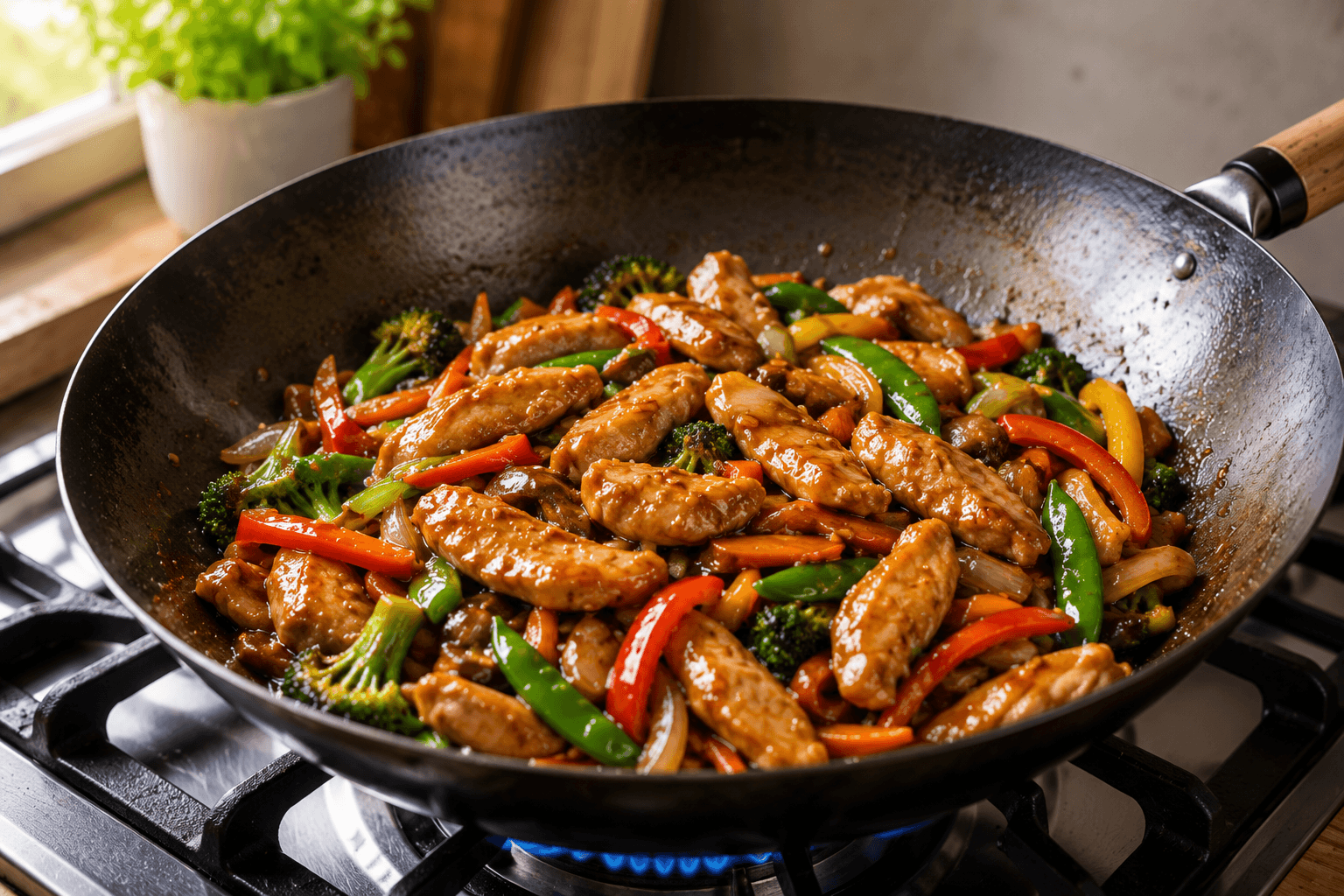
Even a simple homemade stir fry sauce can produce disappointing results if a few basic cooking principles are overlooked. Fortunately, these mistakes are easy to avoid once you know what causes them.
Adding the Sauce Too Early
The most common mistake is pouring the sauce into the wok before the vegetables and protein are nearly finished cooking. This causes the sauce to overcook, reduces its fresh garlic flavor, and often leads to soft vegetables.
Using Too Much Cornstarch
More cornstarch does not create a better sauce. Excess starch produces an unpleasant, sticky texture that masks the natural flavors of the food.
Not Mixing Before Pouring
Cornstarch naturally settles to the bottom within minutes. Always whisk or shake your homemade stir fry sauce immediately before adding it to the wok.
Cooking Over Low Heat
Stir frying depends on high heat. Without sufficient heat, the sauce cannot reduce properly and may remain watery instead of forming a glossy glaze.
Overcrowding the Pan
Too much food lowers the pan temperature, causing ingredients to steam instead of sear. This prevents the sauce from coating the food evenly.
Remember: A properly heated wok and correctly timed sauce are just as important as the ingredients themselves. Even the best homemade stir fry sauce cannot compensate for overcrowding or low cooking temperatures.
Why Homemade Stir Fry Sauce Is Worth Making
- Uses simple pantry ingredients.
- Lower sodium than many bottled sauces.
- Easy to customize.
- Budget-friendly.
- No artificial preservatives.
- Perfect for meal prep.
- Works with many recipes.
Things to Consider
- Requires a few minutes of preparation.
- Fresh garlic shortens refrigerator storage.
- Must be shaken before each use.
- Needs proper timing during cooking.
How to Store Homemade Stir Fry Sauce
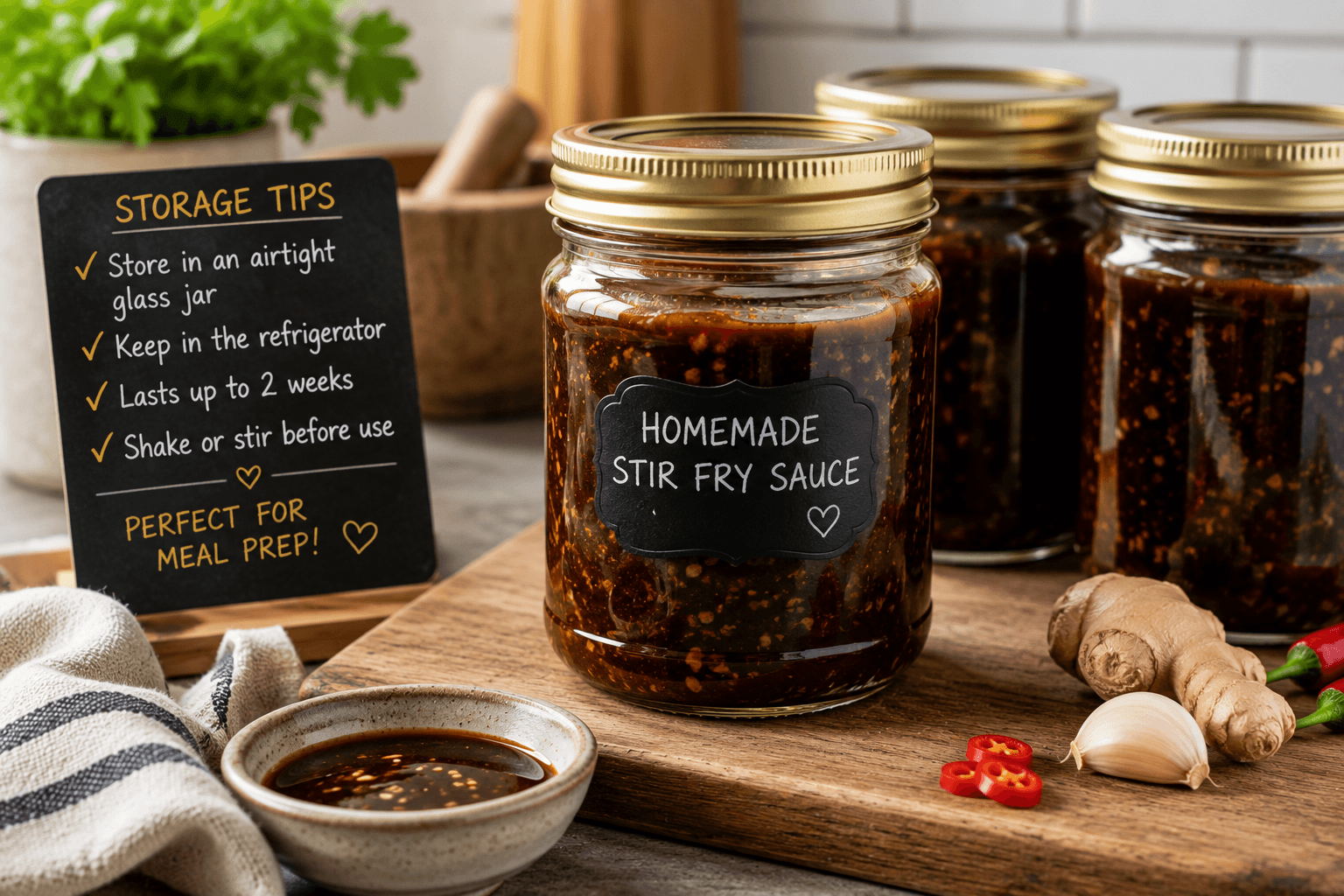
One reason this homemade stir fry sauce is so practical is that it stores well, making it perfect for meal prep.
Refrigerator
Store the sauce in a clean glass jar or airtight container for up to one week. Shake well before every use because the cornstarch will naturally settle.
Freezer
Freeze the sauce for up to three months. For the freshest flavor, consider freezing it without the garlic and stirring freshly minced garlic into the thawed sauce before cooking.
Before Using
- Shake or whisk thoroughly.
- Taste and adjust seasoning if needed.
- Use within one to three minutes after adding it to a hot wok.
Preparing multiple portions in advance makes weeknight dinners significantly easier. Simply thaw, shake, and pour.
Frequently Asked Questions
Can I make homemade stir fry sauce without cornstarch?
Yes. Arrowroot starch, potato starch, and tapioca starch are excellent substitutes for cornstarch. Each thickens slightly differently, so you may need to adjust the quantity slightly to achieve your preferred consistency.
Is homemade stir fry sauce healthier than bottled stir fry sauce?
In many cases, yes. A homemade stir fry sauce allows you to control the amount of sodium, sugar, and preservatives. Using low-sodium soy sauce and adjusting the sweetness also makes it easier to fit your dietary preferences.
Can I prepare homemade stir fry sauce ahead of time?
Absolutely. It’s an excellent meal-prep ingredient. Store it in an airtight container in the refrigerator for up to one week, and shake it well before using because the cornstarch will naturally settle.
Can I freeze homemade stir fry sauce?
Yes. Freeze it in freezer-safe containers for up to three months. For the freshest flavor, add freshly minced garlic after thawing rather than before freezing.
When should I add homemade stir fry sauce to the wok?
Add the sauce during the last one to three minutes of cooking, after the protein is nearly cooked and the vegetables are crisp-tender. This allows the sauce to thicken quickly without overcooking the ingredients.
Can I use this homemade stir fry sauce with vegetables only?
Yes. This versatile sauce works beautifully with broccoli, carrots, mushrooms, zucchini, cabbage, snap peas, bell peppers, bok choy, onions, and many other vegetables. It’s also excellent with tofu for a vegetarian meal.
How can I make homemade stir fry sauce spicier?
Add sriracha, chili garlic sauce, sambal oelek, crushed red pepper flakes, or finely chopped fresh chilies. Start with a small amount and adjust to taste.
References
Final Thoughts
A dependable homemade stir fry sauce is one of the most useful recipes every home cook can master. With only five simple pantry ingredients, you can prepare a flavorful sauce that’s fresher, more customizable, and often healthier than many bottled alternatives.
Once you’ve mastered this base recipe, making delicious stir fry becomes much easier. A few simple additions—such as fresh ginger, sesame oil, oyster sauce, or chili paste—allow you to create countless flavor variations without starting from scratch each time.
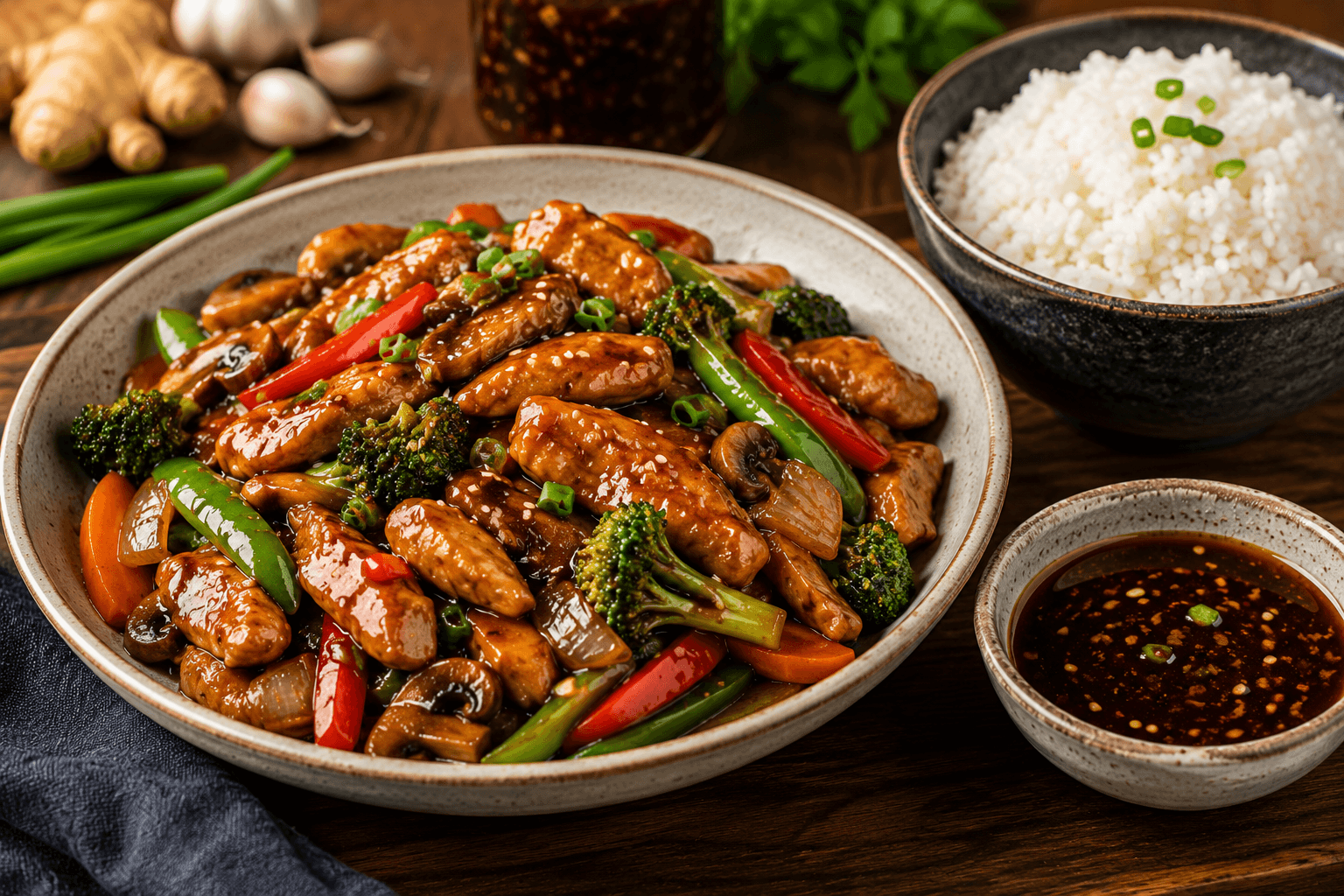
Whether you’re preparing a quick chicken dinner, a healthy vegetable stir fry, noodles, shrimp, tofu, or fried rice, this versatile homemade stir fry sauce provides the perfect foundation for fast, satisfying meals that taste like they came from your favorite restaurant.