
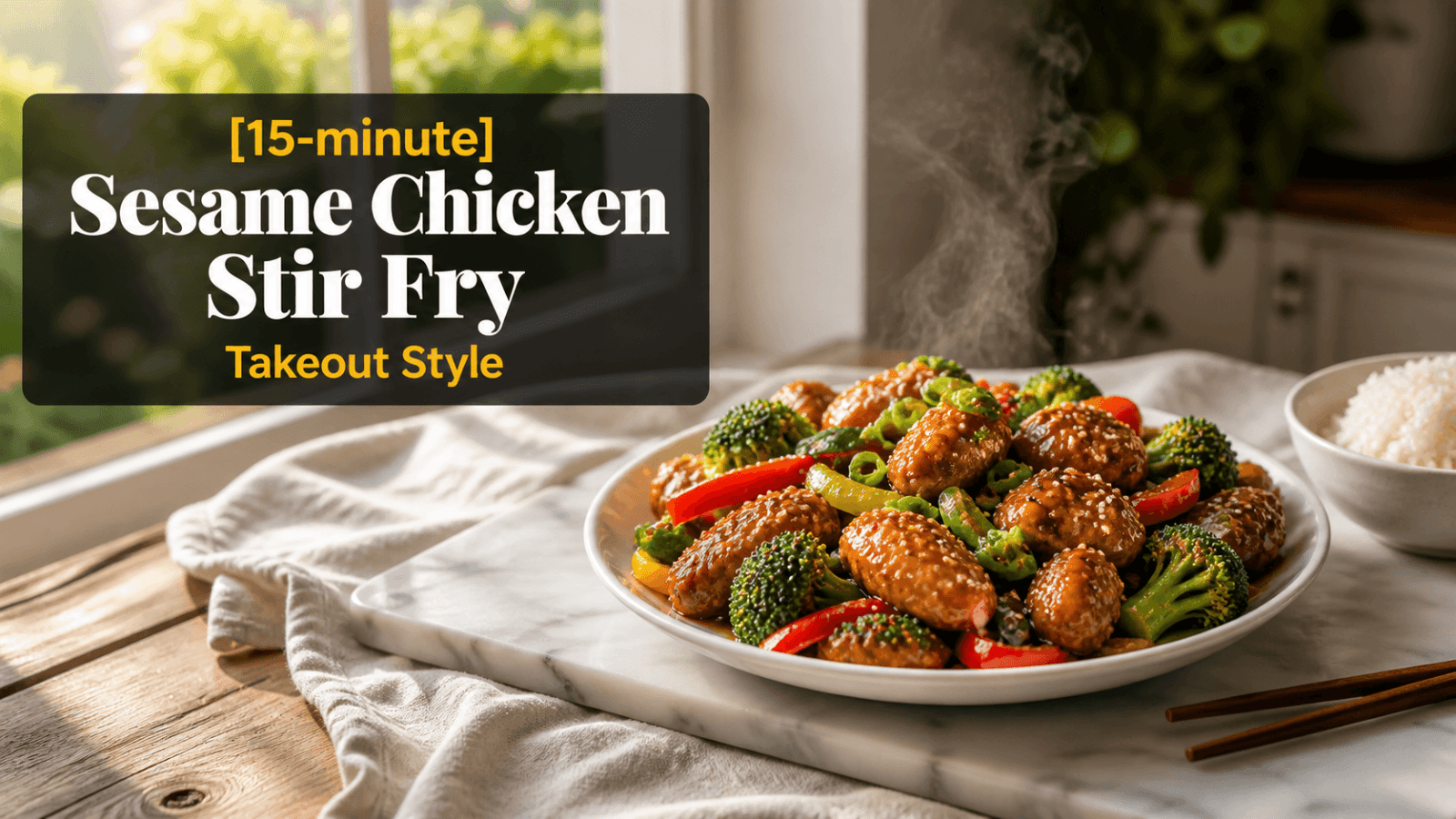
25-Minute Sesame Chicken Stir Fry – Easy Takeout-Style Recipe
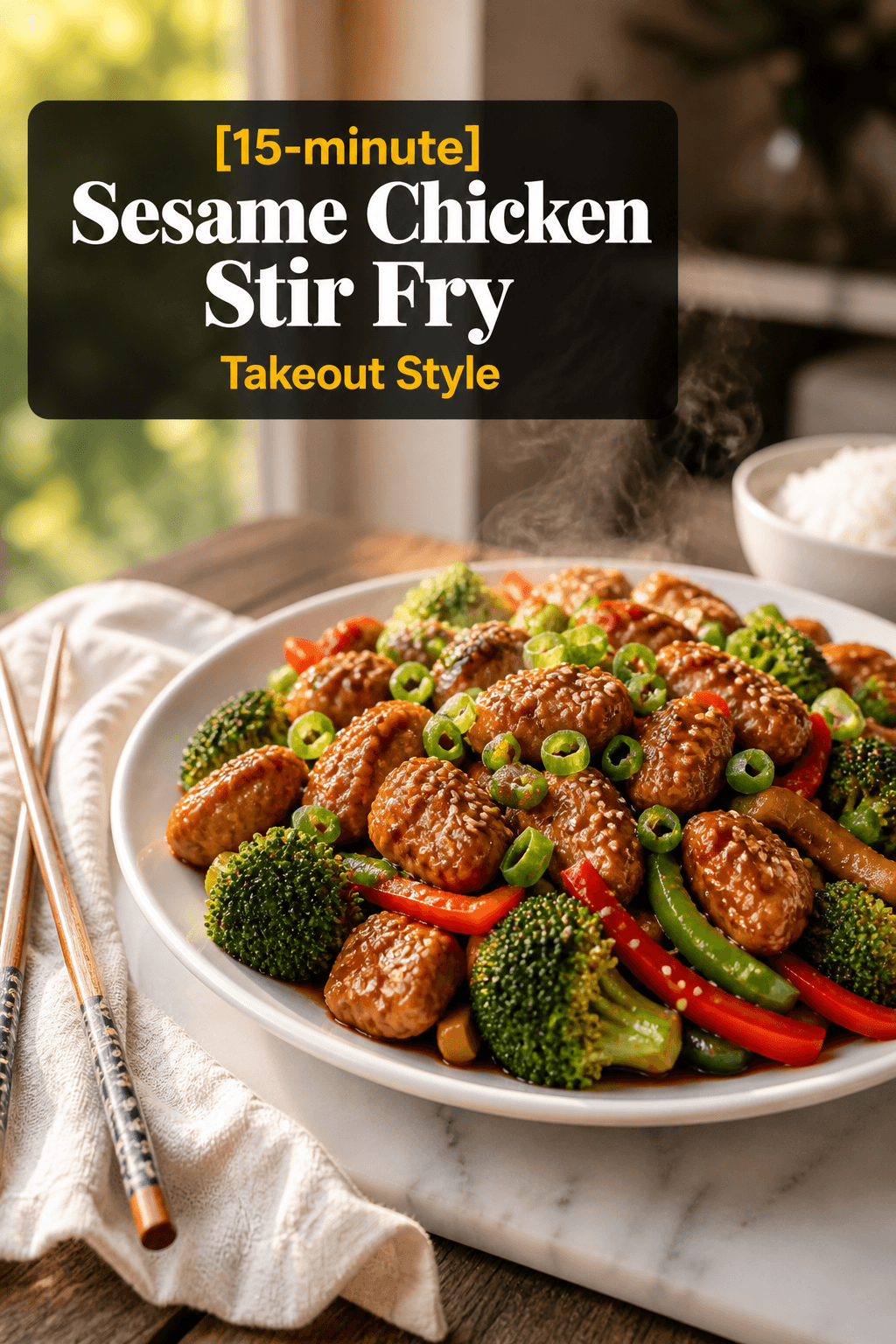
25-Minute Sesame Chicken Stir Fry – Easy Takeout-Style Recipe
Ingredients
Method
- In a medium bowl, combine the bite-sized chicken pieces with the soy sauce and cornstarch. Mix well until every piece of chicken is evenly coated.
- Heat the cooking oil in a large skillet or wok over medium-high heat.
- Add the coated chicken to the hot pan in a single layer. Cook for 4–5 minutes, stirring occasionally, until the chicken is lightly browned on all sides.
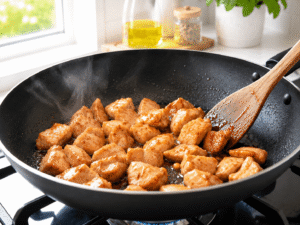
- Add the minced garlic and grated fresh ginger. Stir constantly for about 30 seconds until fragrant.
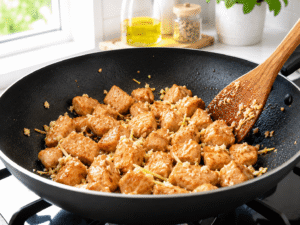
- Add the sliced red bell pepper and broccoli florets. Stir-fry for 3–4 minutes until the vegetables are tender-crisp.
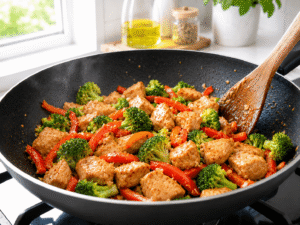
- In a small bowl, mix together the honey, brown sugar, rice vinegar, and sesame oil until well combined.
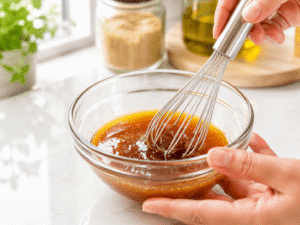
- Pour the sauce into the pan. Stir well so the chicken and vegetables are evenly coated.
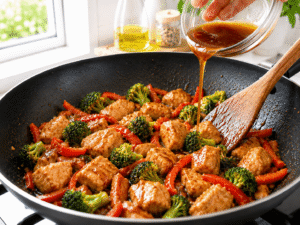
- Cook for another 2–3 minutes, stirring frequently, until the sauce thickens slightly and becomes glossy.
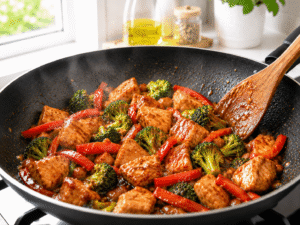
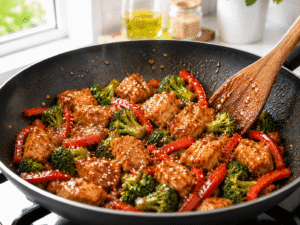
- Sprinkle the sesame seeds over the stir fry and mix everything together.
Quick Navigation
Introduction Why You’ll Love This Recipe Ingredient Notes Nutrition Information Tips for Best Results Common Mistakes to Avoid Variations Storage Tips Reheating Instructions Frequently Asked Questions People Also Search For Related Recipes Don’t Have This Ingredient ConclusionIntroduction
Sesame chicken stir fry combines tender chicken, crisp vegetables, and a flavorful sweet-savory sesame sauce in one pan. It is an easy weeknight dinner made with simple ingredients and a quick cooking process, making it a convenient homemade alternative to takeout.
Toasted sesame oil and sesame seeds add a nutty aroma, while the soy-based sauce coats the chicken and vegetables with plenty of flavor. Serve this stir-fry with steamed rice, brown rice, or noodles, or customize it with your favorite vegetables for a meal that fits your taste.
Why You’ll Love This Recipe
- Quick weeknight dinner: Once the ingredients are prepared, the stir-fry cooks quickly in one pan.
- Sweet and savory flavor: Soy sauce, sesame oil, honey or brown sugar, garlic, and ginger create a balanced sauce with a nutty sesame finish.
- Simple ingredients: Most of the ingredients are easy to find at a regular grocery store, making this recipe convenient for everyday cooking.
- Tender chicken and crisp vegetables: Cooking over high heat and avoiding an overcrowded pan helps keep the chicken tender and the vegetables crisp.
- Easy to customize: You can swap the vegetables, adjust the sweetness, or serve the stir-fry with rice or noodles according to your preference.
Ingredient Notes
Use boneless, skinless chicken breasts and cut them into evenly sized bite-sized pieces. Uniform pieces cook more evenly and help prevent some pieces from becoming dry before the rest are fully cooked.
Soy sauce provides the main savory flavor in the stir-fry. Regular soy sauce works well, while low-sodium soy sauce can be used if you prefer more control over the saltiness.
Sesame oil adds a distinctive nutty flavor to the sauce. Because its flavor is concentrated, the recipe uses a relatively small amount.
Cornstarch lightly coats the chicken and helps the sauce cling to the cooked chicken. Toss the chicken thoroughly so the pieces are evenly coated before cooking.
Minced garlic and freshly grated ginger add aromatic flavor to the stir-fry. Cook them briefly after the chicken has browned to prevent the garlic from burning.
Honey and brown sugar provide the sweetness that balances the savory soy sauce and tangy rice vinegar. Using both creates a richer and more rounded sauce.
Rice vinegar adds acidity to the sauce and helps balance its sweetness. Use plain rice vinegar rather than a heavily seasoned variety when possible.
Sesame seeds add a mild nutty flavor and a pleasant texture. Sprinkle them over the finished stir-fry before serving.
Chopped green onions add a fresh, slightly sharp flavor and a pop of color. Add them near the end of cooking so they retain some of their fresh texture.
Sliced red bell pepper adds sweetness, color, and a light crunch. Slice it into similarly sized pieces so it cooks evenly with the broccoli.
Broccoli florets add texture and make the stir-fry more substantial. Cut large florets into smaller, similar-sized pieces so they become tender-crisp without overcooking.
Use a neutral cooking oil with a suitable smoke point for stir-frying, such as avocado, canola, or vegetable oil. The cooking oil is separate from the sesame oil used in the sauce.
Nutrition Information
Protein: 28 g
Carbohydrates: 18 g
Fat: 14 g
Nutrition information is an estimate and may vary depending on the ingredients, brands, portion sizes, and substitutions used.
Tips for Best Results
Cut the chicken into small, similar-sized pieces so they cook at roughly the same rate. Very large pieces can take longer to cook and may make the vegetables overcook while you wait.
Use high or medium-high heat and make sure the pan is hot before adding the ingredients. This helps the chicken brown while keeping the vegetables from becoming overly soft.
Cook in batches if your pan is small. Too many ingredients at once can release moisture and cause the chicken and vegetables to steam instead of sear.
Stir-frying moves quickly, so chop the vegetables, cut the chicken, and mix the sauce before turning on the heat. This helps prevent ingredients from overcooking while you prepare the next step.
Toasted sesame oil has a strong aroma and is best used as a finishing flavor. Adding it toward the end of cooking helps preserve its characteristic nutty taste.
Common Mistakes to Avoid
Chicken breast can become dry when cooked for too long. Cut the pieces evenly and cook them until they reach an internal temperature of 165°F (74°C), then remove them from the heat as directed in the recipe.
Adding too much chicken and too many vegetables at once can lower the pan temperature and cause the ingredients to steam instead of sear. Use a large pan or cook in batches when necessary.
Adding the sauce before the chicken and vegetables have had a chance to cook properly can make the ingredients steam and become soft. Cook the main ingredients first, then add the sauce at the appropriate stage.
Too much sauce can make the stir-fry overly salty or watery and can hide the flavor of the chicken and vegetables. Start with the recommended amount and adjust only if needed.
Low heat can cause the ingredients to release moisture and become soft rather than lightly browned and crisp. A properly heated pan and quick cooking help create better stir-fry texture.
Variations
This sesame chicken stir fry is easy to customize. Try one of these variations while keeping the same basic cooking method.
Add red pepper flakes, chili garlic sauce, or a small amount of sriracha to the sauce for extra heat. Start with a small amount and adjust to taste.
Use honey as the main sweetener in the sauce for a smoother sweetness and slightly glossy finish.
Add vegetables such as broccoli, bell peppers, carrots, snap peas, or mushrooms. Cut harder vegetables into smaller pieces so they cook at a similar rate.
Replace the chicken breast with boneless, skinless chicken thighs for a juicier texture and richer flavor. Make sure the chicken reaches 165°F (74°C).
Add cooked noodles at the end and toss them with the chicken, vegetables, and sauce until everything is evenly coated.
More Chicken Stir Fry Recipes
Storage Tips
Allow the cooked stir-fry to stop steaming briefly, then transfer it to an airtight container and refrigerate it promptly. Store leftovers in the refrigerator and use them within 3–4 days for best quality and food safety.
For longer storage, place the cooled stir-fry in a freezer-safe airtight container or freezer bag. Remove as much excess air as possible before sealing. Frozen leftovers are best used within a few months for good quality.
If you are preparing meals in advance, divide the stir-fry into individual portions before refrigerating or freezing. This makes reheating easier and helps reduce repeated heating and cooling of the entire batch.
If serving the sesame chicken stir fry with rice, storing the rice separately can help maintain a better texture when reheating. It also makes it easier to control the portion of chicken, vegetables, and rice.
Before eating refrigerated leftovers, check for unusual odors, appearance, or texture. When in doubt about the safety of stored food, discard it rather than tasting it to determine whether it is still safe.
Reheating Instructions
Reheat leftover sesame chicken stir fry gently to help keep the chicken tender and prevent the sauce from becoming too thick.
Place the leftovers in a skillet or frying pan over medium heat. Add a small splash of water if the sauce looks too thick. Stir occasionally and heat until the chicken and vegetables are hot throughout.
Place one portion in a microwave-safe dish and cover loosely. Heat in short intervals, stirring between each interval, until the food is heated evenly throughout. Avoid overheating because chicken can become dry.
For best results, thaw frozen leftovers in the refrigerator before reheating. If reheating directly from frozen, use a covered pan over medium-low heat and stir occasionally until heated thoroughly.
If the stir-fry becomes dry during reheating, add a small splash of water and toss gently. Avoid adding too much liquid at once because it can make the sauce watery.
Frequently Asked Questions
Sesame chicken stir fry is a quick one-pan meal made with chicken, vegetables, and a savory-sweet sauce flavored with sesame oil and sesame seeds. It can be served with rice, noodles, or enjoyed on its own.
This recipe takes about 25 minutes from start to finish, including approximately 10 minutes of preparation and 15 minutes of cooking.
You can use vegetables such as broccoli, bell peppers, carrots, snap peas, mushrooms, or other quick-cooking vegetables. Cut larger or harder vegetables into smaller pieces so they cook at a similar rate.
Yes. Boneless, skinless chicken thighs can be used instead of chicken breast. Cut them into evenly sized pieces and cook until the thickest piece reaches an internal temperature of 165°F (74°C).
Use a food thermometer to check the thickest piece of chicken. Chicken should reach an internal temperature of 165°F (74°C) for safe consumption. Do not rely only on the color of the chicken, because appearance alone is not a reliable way to determine whether it is fully cooked.
Yes. Add red pepper flakes, chili garlic sauce, sriracha, or another preferred chili sauce to the stir-fry sauce. Start with a small amount and adjust the heat to your taste.
Yes. You can prepare the chicken, vegetables, and sauce ahead of time and store them properly until you are ready to cook. Cooked leftovers can also be refrigerated and used within 3–4 days.
Serve it with steamed white rice, brown rice, fried rice, or noodles. You can also serve it with additional steamed vegetables for a lighter meal.
Transfer leftovers to an airtight container and refrigerate promptly. Use refrigerated leftovers within 3–4 days. For longer storage, freeze them in a suitable freezer-safe container.
Don’t Have This Ingredient? Try These Substitutions
If you are missing an ingredient, these simple substitutions can help you prepare the sesame chicken stir fry without making a special grocery trip.
Use low-sodium soy sauce if you want to reduce the saltiness. Tamari can also be used as an alternative, although the flavor may be slightly different.
Brown sugar can be used instead of honey to provide sweetness in the sauce. Adjust the amount according to your preferred level of sweetness.
Boneless, skinless chicken thighs can be used instead of chicken breast. Cut the chicken into evenly sized pieces and cook until it reaches 165°F (74°C).
Arrowroot powder can be used as an alternative to cornstarch for lightly coating the chicken and helping thicken the sauce.
Ground ginger can be used when fresh ginger is unavailable. Use a smaller amount because ground ginger has a more concentrated flavor.
Use the vegetables you already have available, such as broccoli, bell peppers, carrots, snap peas, mushrooms, or zucchini. Cut them into suitable sizes so they cook evenly.
Conclusion
This sesame chicken stir fry is a simple option for a quick homemade dinner. Tender chicken, colorful vegetables, and a savory-sweet sesame sauce come together in one pan, making it practical for busy weeknights.
For the best results, prepare all the ingredients before cooking, use a hot pan, avoid overcrowding, and cook the chicken until it reaches an internal temperature of 165°F (74°C). You can also adjust the vegetables, sweetness, and spice level to suit your preference.
Serve the stir fry with rice or noodles, and store any leftovers properly for another meal. If you enjoy quick chicken dinners, explore the related stir-fry recipes above for more easy homemade meal ideas.
For detailed nutrition information about ingredients, visit USDA FoodData Central .🍽️ You Might Also Like
📧 Save This Recipe For Later
Enter your email and we will send this recipe directly to your inbox.