
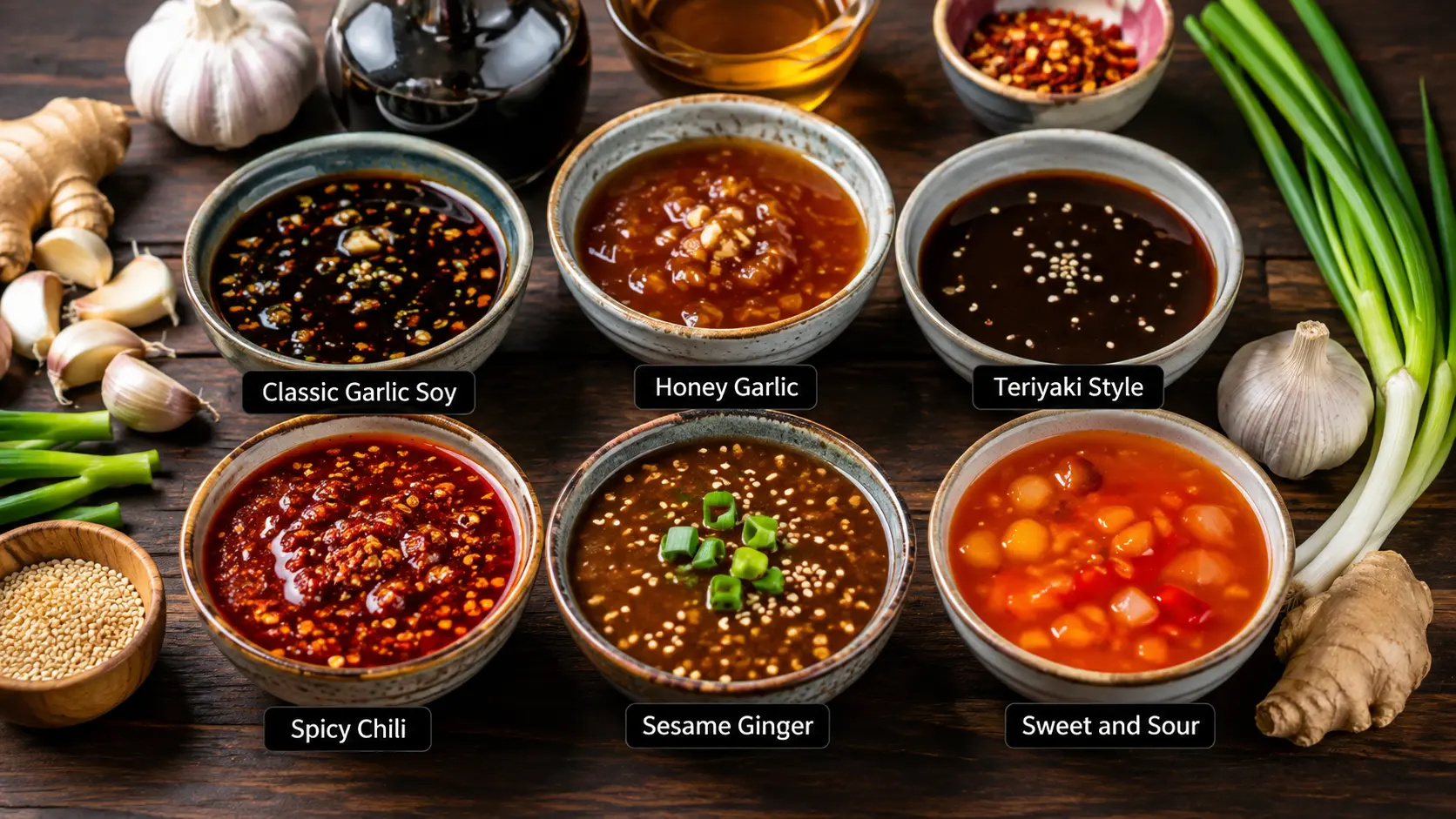
Best Homemade Stir Fry Sauce Variations
Best Homemade Stir Fry Sauce Variations
If you love making stir fry at home, learning about the best homemade stir fry sauce variations can completely transform your meals. A simple change in sauce can turn the same chicken and vegetables into a sweet, spicy, savory, or tangy dinner without changing your cooking method.
Many home cooks rely on bottled sauces because they seem convenient. However, homemade sauces usually offer fresher flavor, better ingredient control, lower sodium, and endless customization. Whether you’re preparing chicken, beef, shrimp, tofu, or vegetables, choosing the right sauce helps create the perfect balance of sweetness, saltiness, acidity, and umami.
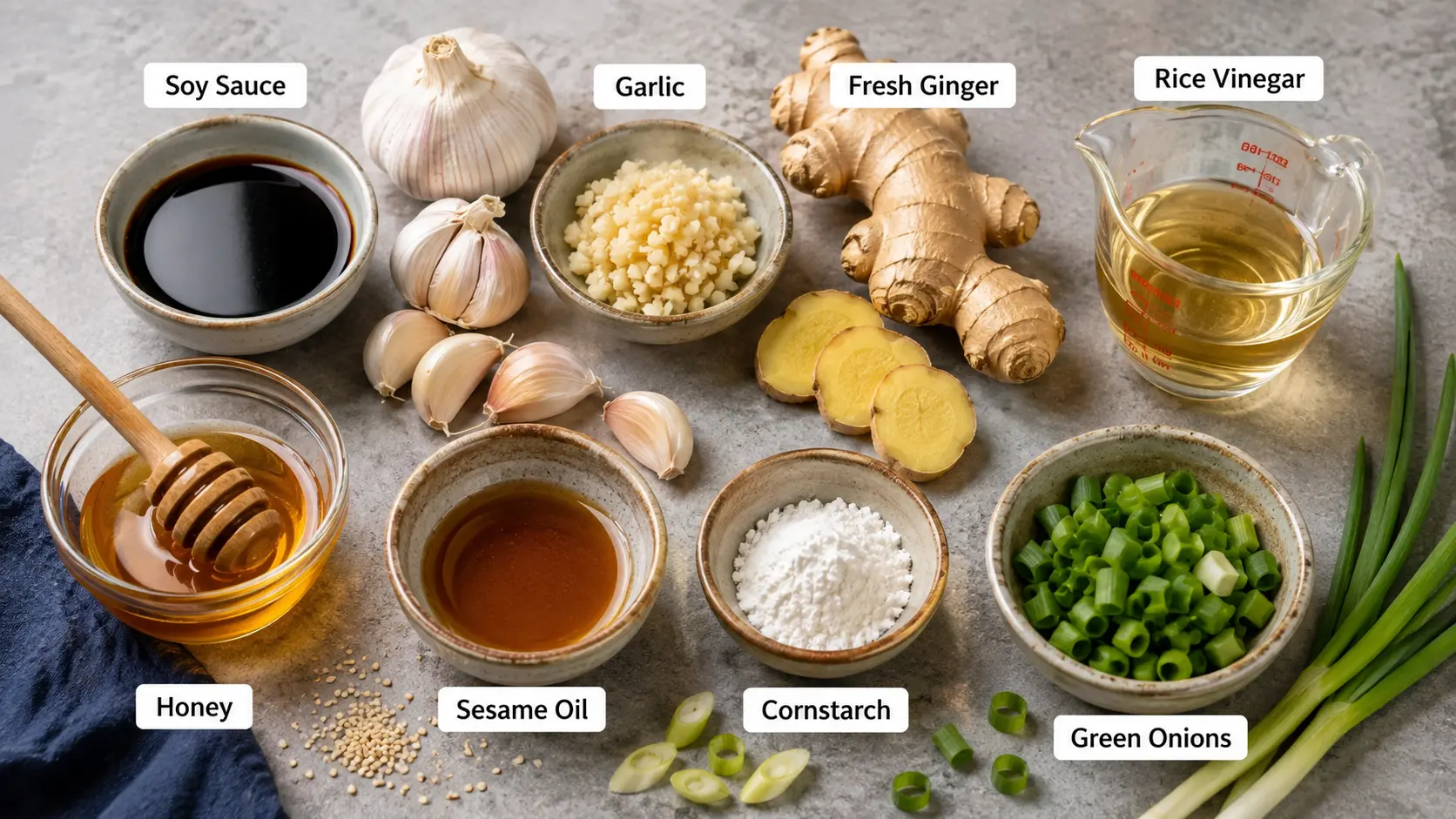
The great thing about learning different homemade stir fry sauce variations is that you don’t need dozens of ingredients. Most recipes build on the same pantry staples such as soy sauce, garlic, ginger, sesame oil, honey, brown sugar, rice vinegar, and cornstarch. By adjusting the ratios or adding one or two extra ingredients, you can create completely different flavor profiles.
In this guide, you’ll discover the most popular homemade stir fry sauces, learn when to use each one, understand which ingredients create different flavors, and find expert tips for matching every sauce with your favorite proteins and vegetables.
Quick Answer
Homemade stir fry sauce variations are different combinations of common pantry ingredients that create unique flavors for stir fry dishes. Popular options include classic savory, garlic, honey garlic, spicy chili, teriyaki-inspired, sweet and sour, sesame ginger, and low-sodium versions. Each variation works best with specific proteins and vegetables, allowing you to customize every meal without relying on store-bought sauces.
- Classic soy garlic sauce for everyday stir fries
- Honey garlic sauce for a sweet and savory flavor
- Spicy chili sauce for extra heat
- Teriyaki-style sauce for a glossy finish
- Sesame ginger sauce for nutty aroma
- Sweet and sour sauce for tangy dishes
- Low-sodium versions for healthier meals
Table of Contents
Why Homemade Stir Fry Sauce Variations Matter
Not every stir fry should taste the same. One of the biggest advantages of making your own sauce is flexibility. Instead of purchasing several bottled sauces, you can create dozens of unique flavor combinations using ingredients that are already in your pantry.
For example, adding honey creates a sweeter finish that’s perfect for family-friendly meals, while chili garlic sauce adds bold heat for spicy recipes. Fresh ginger brings brightness, toasted sesame oil contributes a rich nutty aroma, and rice vinegar adds balance that prevents sauces from tasting overly salty.
Learning multiple homemade stir fry sauce variations also helps you pair flavors with different ingredients. Delicate vegetables may benefit from lighter sauces, while richer meats like beef often pair well with bolder, deeper flavors.
Tip: Instead of memorizing dozens of recipes, learn one basic stir fry sauce first. Then customize it by changing one ingredient at a time to create entirely new flavor profiles.
If you’re just getting started, our Easy Homemade Stir Fry Sauce guide explains the foundational recipe that many of the variations in this article build upon.
The Essential Base Ingredients
Nearly every homemade stir fry sauce begins with a few versatile ingredients that provide structure and balance. Understanding what each ingredient contributes makes it easier to create your own custom sauces instead of following recipes exactly.
| Ingredient | Purpose | Flavor Contribution |
|---|---|---|
| Soy sauce | Base seasoning | Salty, savory, umami |
| Garlic | Aromatic | Rich, savory depth |
| Fresh ginger | Freshness | Warm, slightly spicy |
| Rice vinegar | Acidity | Bright, balanced flavor |
| Honey or brown sugar | Sweetener | Balances salty ingredients |
| Cornstarch slurry | Thickener | Creates a glossy sauce |
| Sesame oil | Finishing oil | Nutty aroma |
These ingredients serve as the foundation for nearly every one of the best homemade stir fry sauce variations. Small adjustments in quantity—or the addition of ingredients like chili paste, oyster sauce, hoisin sauce, or citrus juice—can produce dramatically different results while keeping preparation simple.
<How Different Ingredients Change the Flavor
One of the easiest ways to master homemade stir fry sauce variations is to understand what each ingredient contributes to the finished sauce. Most stir fry sauces use the same basic pantry staples, but changing the proportions or adding one extra ingredient can create an entirely different flavor profile.
Professional cooks often think of stir fry sauce as a balance of five elements: salty, sweet, sour, savory (umami), and aromatic. When these flavors work together, the sauce complements the protein and vegetables instead of overpowering them.
Soy Sauce Creates the Savory Foundation
Soy sauce is the backbone of almost every homemade stir fry sauce. It provides saltiness, deep umami flavor, and the rich color associated with traditional stir fries. Regular soy sauce delivers a stronger taste, while low-sodium soy sauce offers more flexibility when seasoning the dish.
If you use too much soy sauce without balancing it, the finished stir fry can taste overly salty. Adding a sweetener and a mild acid helps round out the flavor.
Garlic Adds Richness
Fresh garlic gives stir fry sauce its signature savory aroma. As it cooks, garlic becomes sweeter and more mellow, blending beautifully with soy sauce and ginger. Most classic homemade stir fry sauce variations include fresh minced garlic because it creates a fuller, more complex flavor than garlic powder.
Kitchen Secret: Mince garlic just before cooking instead of preparing it hours ahead. Freshly cut garlic contains more aromatic compounds, giving your stir fry sauce a brighter and more vibrant flavor.
Fresh Ginger Brightens the Sauce
Ginger adds warmth and freshness that balances richer ingredients. It also reduces the heaviness of soy sauce and pairs exceptionally well with chicken, shrimp, and vegetables.
Fresh ginger works better than dried ginger in most stir fry sauces because it provides natural citrus-like notes that remain noticeable after cooking.
Sweeteners Balance Salty Ingredients
Honey, brown sugar, maple syrup, or even a small amount of white sugar helps soften the saltiness of soy sauce. Sweetness also encourages caramelization during cooking, creating a glossy finish that coats the ingredients evenly.
The amount of sweetener you use depends on the style of sauce you’re making. Honey garlic sauces naturally contain more sweetness, while spicy sauces usually use less.
Rice Vinegar Adds Brightness
Without a little acidity, stir fry sauce can taste flat. Rice vinegar provides gentle tanginess that balances salty and sweet flavors without overpowering the dish. It also enhances the freshness of vegetables.
If rice vinegar isn’t available, apple cider vinegar can work in small amounts, although its flavor is slightly stronger.
Sesame Oil Finishes the Sauce
Toasted sesame oil is typically added near the end of cooking because high heat can reduce its delicate aroma. Just a small amount gives many homemade stir fry sauce variations their recognizable nutty fragrance.
Because sesame oil has a concentrated flavor, a little goes a long way. Adding too much can overwhelm lighter ingredients like broccoli, snow peas, or zucchini.
Warning: Avoid using toasted sesame oil as your primary cooking oil. It is intended as a finishing ingredient and can develop a bitter taste if exposed to very high heat for long periods.
If you’d like to learn more about using this ingredient correctly, read our guide on Teriyaki Sauce vs. Stir Fry Sauce, which also explains how sesame oil affects different sauce styles.
The Most Popular Homemade Stir Fry Sauce Variations
Now that you understand the purpose of each ingredient, it’s easier to see why certain sauce combinations have become favorites. Each variation offers a unique balance of sweetness, saltiness, acidity, and spice, making it better suited for specific proteins and vegetables.
In the next section, we’ll explore the most popular homemade stir fry sauce variations, when to use each one, and how to pair them with chicken, beef, shrimp, tofu, and vegetables for the best results.
The Most Popular Homemade Stir Fry Sauce Variations
Once you understand the building blocks of a great sauce, you can easily create different homemade stir fry sauce variations for almost any meal. Most variations start with the same core ingredients, but small adjustments produce noticeably different flavors and textures.
The best choice depends on what you’re cooking. A light vegetable stir fry benefits from a fresh, balanced sauce, while beef and mushrooms pair well with deeper, richer flavors. Chicken is the most versatile protein because it works well with nearly every sauce variation.
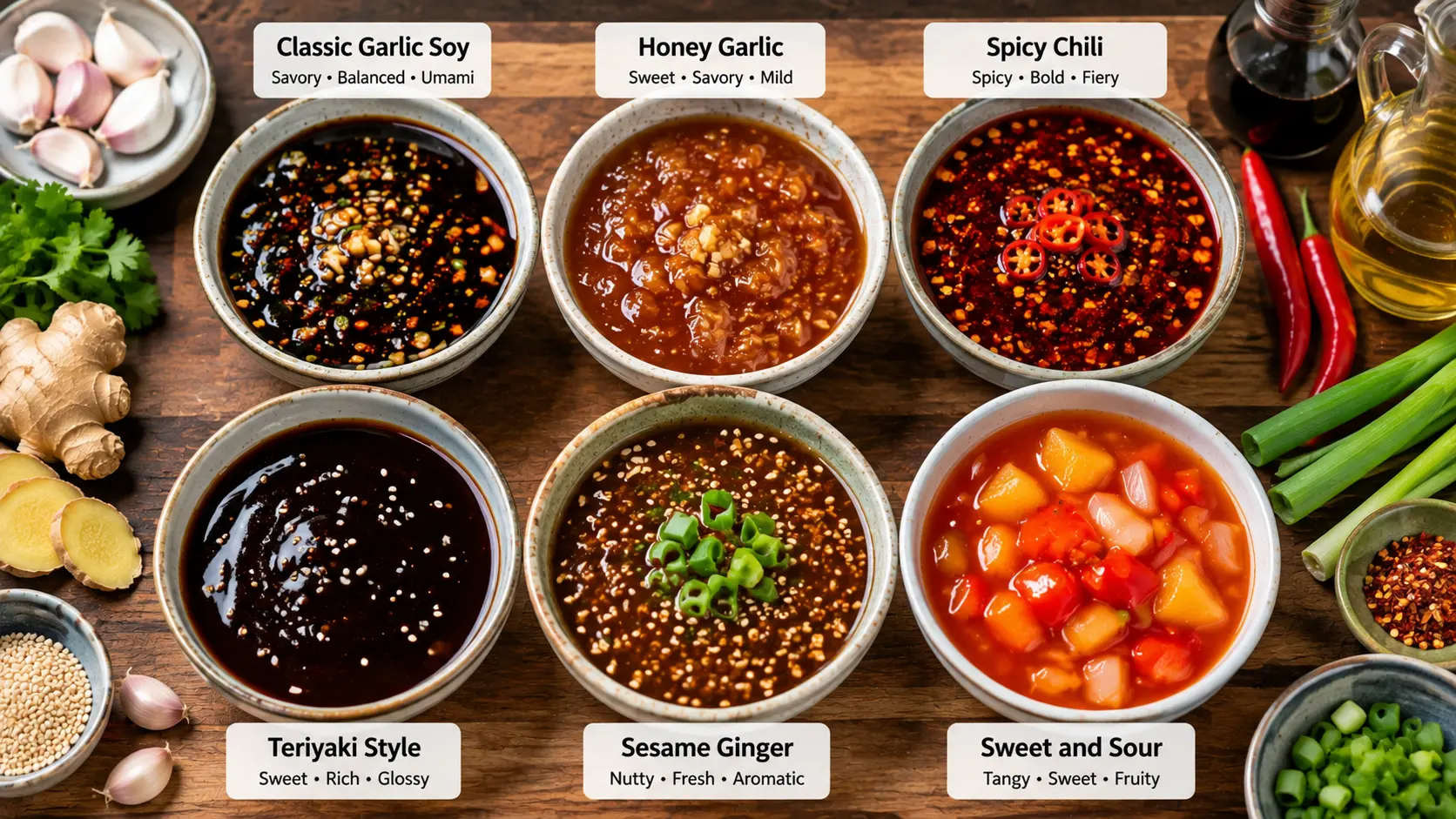
| Sauce Variation | Flavor Profile | Best With |
|---|---|---|
| Classic Garlic Soy | Savory and balanced | Chicken, beef, vegetables |
| Honey Garlic | Sweet and savory | Chicken, broccoli, carrots |
| Spicy Chili | Hot and bold | Chicken, shrimp, peppers |
| Teriyaki Style | Sweet, glossy, rich | Chicken, salmon, beef |
| Sesame Ginger | Nutty and fresh | Chicken, tofu, vegetables |
| Sweet and Sour | Tangy and fruity | Chicken, pork, pineapple |
| Low-Sodium | Light and balanced | Healthy stir fries |
Classic Garlic Soy Sauce
This is the foundation of many homemade stir fry sauce variations. It combines soy sauce, garlic, ginger, a small amount of sweetener, rice vinegar, and cornstarch slurry to create a smooth, glossy sauce that works with almost every protein and vegetable.
Because it isn’t overly sweet or spicy, it’s an excellent everyday option. If you’re new to homemade sauces, this is the best place to start.
For a complete base recipe, see our Easy Homemade Stir Fry Sauce guide.
Honey Garlic Sauce
Honey garlic sauce adds natural sweetness that balances salty soy sauce beautifully. Honey also helps create a shiny glaze that coats chicken and vegetables evenly.
This variation is especially popular with families because it has a mild flavor that appeals to both children and adults. Broccoli, carrots, snap peas, and bell peppers pair particularly well with honey garlic sauce.
If you enjoy sweet-savory combinations, you’ll also love our Honey Garlic Chicken Stir Fry and the Best Honey Garlic Stir Fry Sauce Recipe.
Tip: Add honey after mixing the liquid ingredients so it dissolves evenly. This helps prevent overly sweet spots in the finished sauce.
Spicy Chili Sauce
For anyone who enjoys bold flavors, spicy chili sauce is one of the most exciting homemade stir fry sauce variations. Heat can come from chili garlic sauce, sriracha, crushed red pepper flakes, sambal oelek, or fresh chili peppers.
The key is balance. Too much spice can hide the natural flavors of the vegetables and protein, so start with a small amount and adjust gradually.
If spicy meals are your favorite, our How to Make Spicy Stir Fry Sauce at Home article provides additional tips for adjusting heat levels.
Teriyaki-Style Sauce
Although people often confuse teriyaki sauce with stir fry sauce, they are not identical. Teriyaki-style sauce typically contains more sweetness and develops a thicker, shinier glaze during cooking.
It’s an excellent choice for chicken, salmon, beef, and vegetables that benefit from a slightly sweeter finish.
Our Teriyaki Chicken Stir Fry demonstrates how this flavor profile creates a rich, glossy coating on every bite.
Kitchen Secret: Allow teriyaki-style sauce to simmer for one or two minutes after adding it to the pan. This activates the cornstarch and creates the smooth, glossy coating commonly found in restaurant stir fries.
These popular homemade stir fry sauce variations provide a strong starting point, but they’re only the beginning. In the next section, you’ll discover additional flavor combinations—including sesame ginger, sweet and sour, and healthier low-sodium options—along with practical tips for choosing the right sauce for every type of stir fry.
More Homemade Stir Fry Sauce Variations to Try
After mastering the classic sauces, you can expand your cooking with even more homemade stir fry sauce variations. These options add variety without requiring an entirely new set of ingredients. Most simply adjust the balance of sweetness, acidity, or aromatics to create a different flavor experience.
Rotating between several homemade sauces also keeps weekly meal planning interesting. You can prepare the same chicken and vegetables but enjoy a completely different meal simply by changing the sauce.
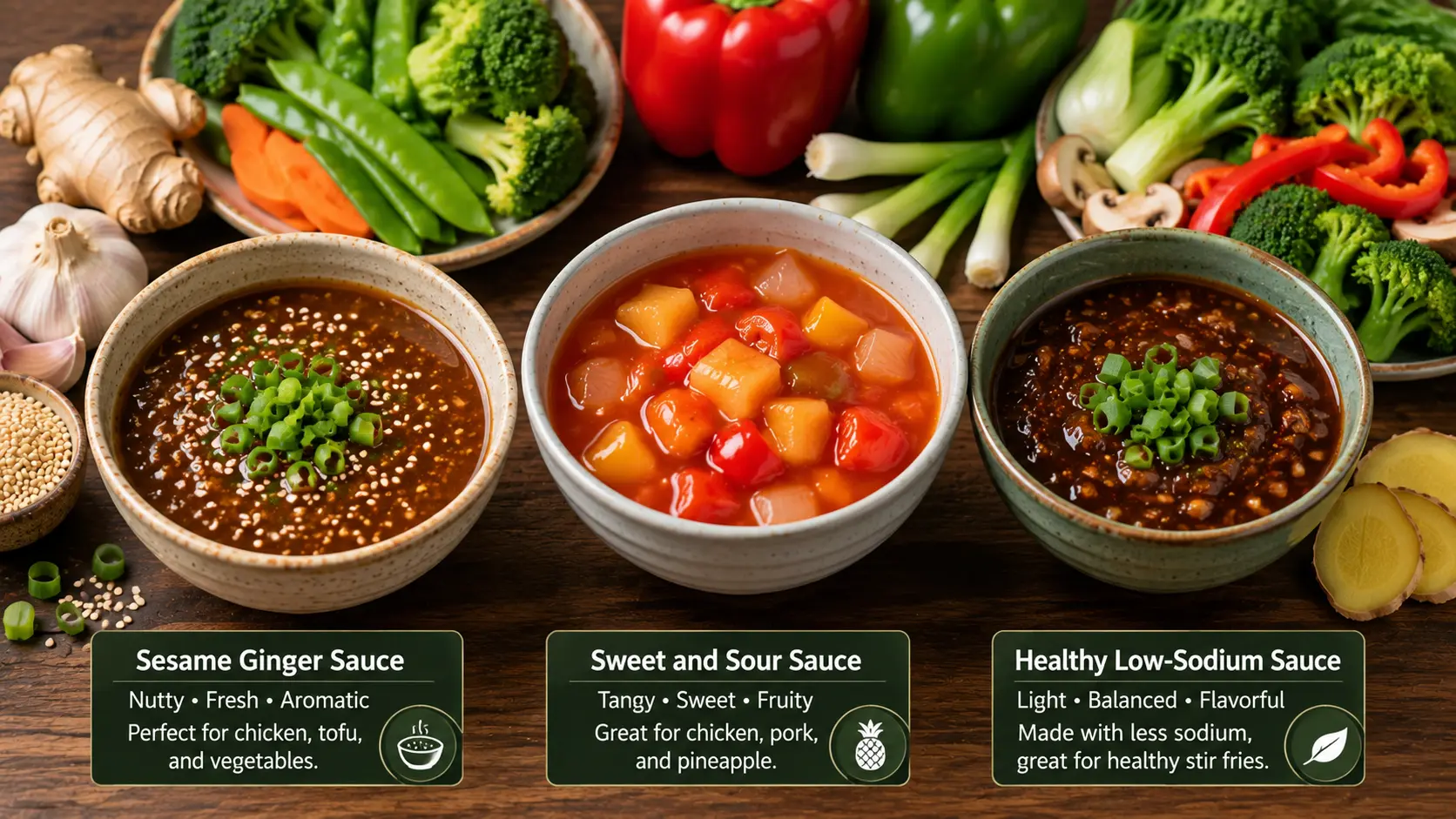
Sesame Ginger Sauce
Sesame ginger sauce is known for its warm, nutty aroma and fresh flavor. Toasted sesame oil provides richness, while fresh ginger keeps the sauce bright and well balanced.
This variation works especially well with chicken, tofu, mushrooms, broccoli, bok choy, snap peas, and carrots. Because sesame oil has a strong flavor, only a small amount is needed to enhance the dish.
Many cooks finish the stir fry with toasted sesame seeds for added texture and visual appeal.
Sweet and Sour Sauce
Sweet and sour is one of the most recognizable homemade stir fry sauce variations. Unlike bottled versions that may contain excessive sugar, homemade recipes allow you to control the sweetness while maintaining a bright, balanced flavor.
This sauce usually combines rice vinegar with a sweetener such as honey or brown sugar. Some recipes also include pineapple juice or orange juice to add natural fruit flavor.
Chicken, bell peppers, onions, carrots, and pineapple chunks are classic ingredients that pair beautifully with this variation.
Low-Sodium Stir Fry Sauce
If you’re watching your sodium intake, a homemade sauce gives you much more control than most store-bought products. Start with low-sodium soy sauce and increase flavor using fresh garlic, ginger, vinegar, and a touch of sesame oil instead of relying on extra salt.
This approach produces a lighter sauce that still tastes flavorful and satisfying. It also allows the natural sweetness of vegetables to shine through.
For healthier meal ideas, visit our Healthy Chicken Stir Fry, where a lighter sauce complements lean chicken and colorful vegetables.
Tip: Fresh aromatics such as garlic, ginger, scallions, and citrus juice add plenty of flavor without increasing sodium.
How to Choose the Right Sauce for Different Proteins
Not every sauce works equally well with every ingredient. Choosing the right combination helps each protein develop its best flavor while keeping the meal balanced.
| Protein | Recommended Sauce Variations | Why It Works |
|---|---|---|
| Chicken | Classic, Honey Garlic, Teriyaki, Sesame Ginger | Chicken absorbs almost any flavor well. |
| Beef | Classic Garlic Soy, Teriyaki, Spicy Chili | Rich beef pairs with bold savory sauces. |
| Shrimp | Sesame Ginger, Spicy Chili, Light Garlic | Bright sauces complement delicate seafood. |
| Tofu | Sesame Ginger, Honey Garlic, Low-Sodium | Tofu absorbs flavorful sauces easily. |
| Mixed Vegetables | Classic, Sesame Ginger, Low-Sodium | Highlights the natural vegetable flavors. |
These recommendations aren’t strict rules. One advantage of homemade stir fry sauce variations is the ability to customize flavors according to your own preferences.
Common Mistakes When Making Homemade Stir Fry Sauce Variations
Even simple sauces can go wrong if a few basic techniques are overlooked. Fortunately, most mistakes are easy to avoid.
- Adding too much soy sauce, resulting in an overly salty dish.
- Using excessive sugar or honey that overpowers the savory flavors.
- Skipping the acid, leaving the sauce tasting flat.
- Adding too much sesame oil, which dominates the other ingredients.
- Pouring sauce into the pan too early, causing it to burn before the vegetables finish cooking.
- Forgetting to stir the cornstarch slurry before adding it, resulting in lumps.
Warning: Always mix the cornstarch slurry immediately before pouring it into the pan. Cornstarch settles quickly, and failing to remix it can lead to uneven thickening.
If you’ve experienced problems like sauce that’s too thick, too thin, or lacking flavor, our guide to Common Stir Fry Sauce Mistakes explains how to fix each issue step by step.
Next, we’ll look at how to prepare, store, and use homemade stir fry sauce variations efficiently, along with meal-prep strategies that make weeknight cooking faster and easier.
How to Prepare Homemade Stir Fry Sauce Variations Ahead of Time
One of the biggest advantages of homemade stir fry sauce variations is that they can be prepared in advance. Mixing sauces ahead of time makes weeknight dinners faster while ensuring consistent flavor every time you cook.
Instead of measuring ingredients while vegetables are cooking, prepare your sauce first. Stir fry cooking happens quickly, and having the sauce ready allows you to focus on cooking the protein and vegetables without rushing.
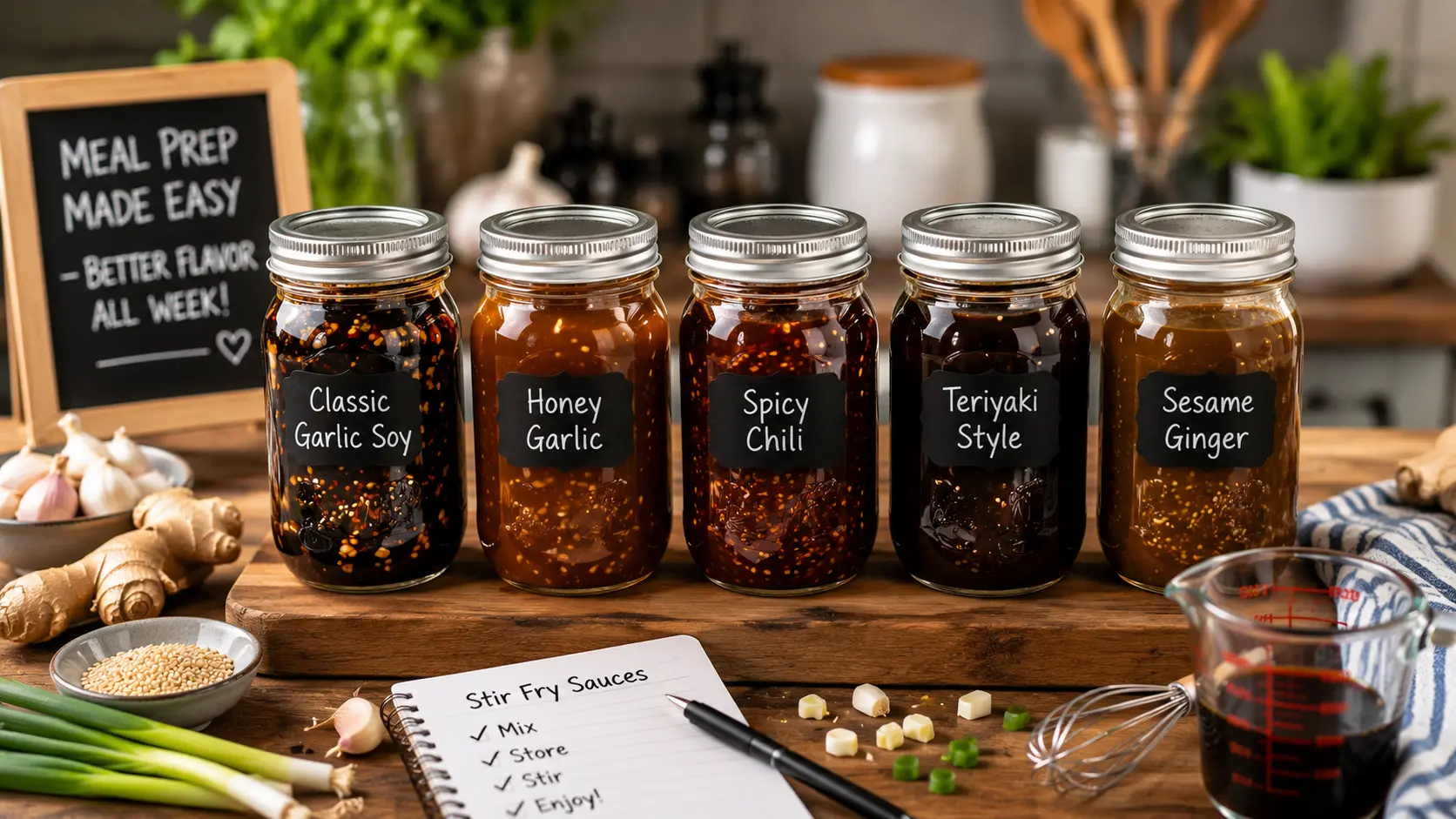
Meal Prep Tips for Homemade Sauces
Preparing several sauces at once saves time throughout the week. Many home cooks keep two or three different sauces in the refrigerator so they can create different meals using the same ingredients.
- Measure all liquid ingredients before cooking.
- Store each sauce in a sealed glass jar or airtight container.
- Label containers with the preparation date.
- Shake or stir well before each use.
- Keep the cornstarch slurry separate if storing for more than a day for the smoothest texture.
Kitchen Secret: Make a double batch of your favorite stir fry sauce and divide it into smaller jars. This gives you ready-to-use portions that reduce preparation time on busy evenings.
If you’re unsure how much sauce to prepare for each meal, our guide on How Much Stir Fry Sauce Should You Use? provides easy portion recommendations for different serving sizes.
How to Store Homemade Stir Fry Sauce Variations
Proper storage helps preserve both flavor and food safety. Since many homemade stir fry sauce variations contain fresh garlic and ginger, refrigeration is recommended unless the sauce has been cooked and preserved using approved canning methods.
Storage Tip: Store homemade stir fry sauce in a clean, airtight glass container in the refrigerator for up to one week. For longer storage, freeze individual portions for up to three months and thaw overnight in the refrigerator before use.
| Storage Method | Recommended Time | Best Practice |
|---|---|---|
| Refrigerator | Up to 1 week | Use a sealed glass jar or airtight container. |
| Freezer | Up to 3 months | Freeze in single-meal portions. |
| After Thawing | Use within 2 days | Keep refrigerated and do not refreeze. |
Before using refrigerated sauce, give it a good shake or stir. Ingredients such as honey, sesame oil, and cornstarch naturally separate during storage, but this doesn’t mean the sauce has spoiled.
Can You Customize Homemade Stir Fry Sauce Variations?
Absolutely. One reason homemade sauces are so popular is their flexibility. Once you understand the basic formula, you can easily adjust flavors to suit your family’s preferences.
Ways to Make Sauce Sweeter
- Add a little extra honey.
- Use brown sugar for a deeper caramel flavor.
- Add a splash of pineapple or orange juice.
Ways to Make Sauce Spicier
- Increase chili garlic sauce.
- Add crushed red pepper flakes.
- Mix in fresh sliced chilies.
- Use a small amount of sriracha.
Ways to Increase Umami
- Add oyster sauce.
- Use mushroom powder.
- Include a small amount of hoisin sauce.
- Add a few drops of fish sauce if appropriate for the dish.
Tip: Change only one ingredient at a time when experimenting. This makes it easier to understand how each adjustment affects the final flavor.
Whether you’re preparing a simple Chicken Stir Fry, a flavorful Garlic Chicken Stir Fry, or a colorful Chicken Veggie Stir Fry, experimenting with different homemade stir fry sauce variations keeps your meals fresh, interesting, and perfectly suited to your taste.
How to Prepare Homemade Stir Fry Sauce Variations Ahead of Time
One of the biggest advantages of homemade stir fry sauce variations is that they can be prepared in advance. Mixing sauces ahead of time makes weeknight dinners faster while ensuring consistent flavor every time you cook.
Instead of measuring ingredients while vegetables are cooking, prepare your sauce first. Stir fry cooking happens quickly, and having the sauce ready allows you to focus on cooking the protein and vegetables without rushing.
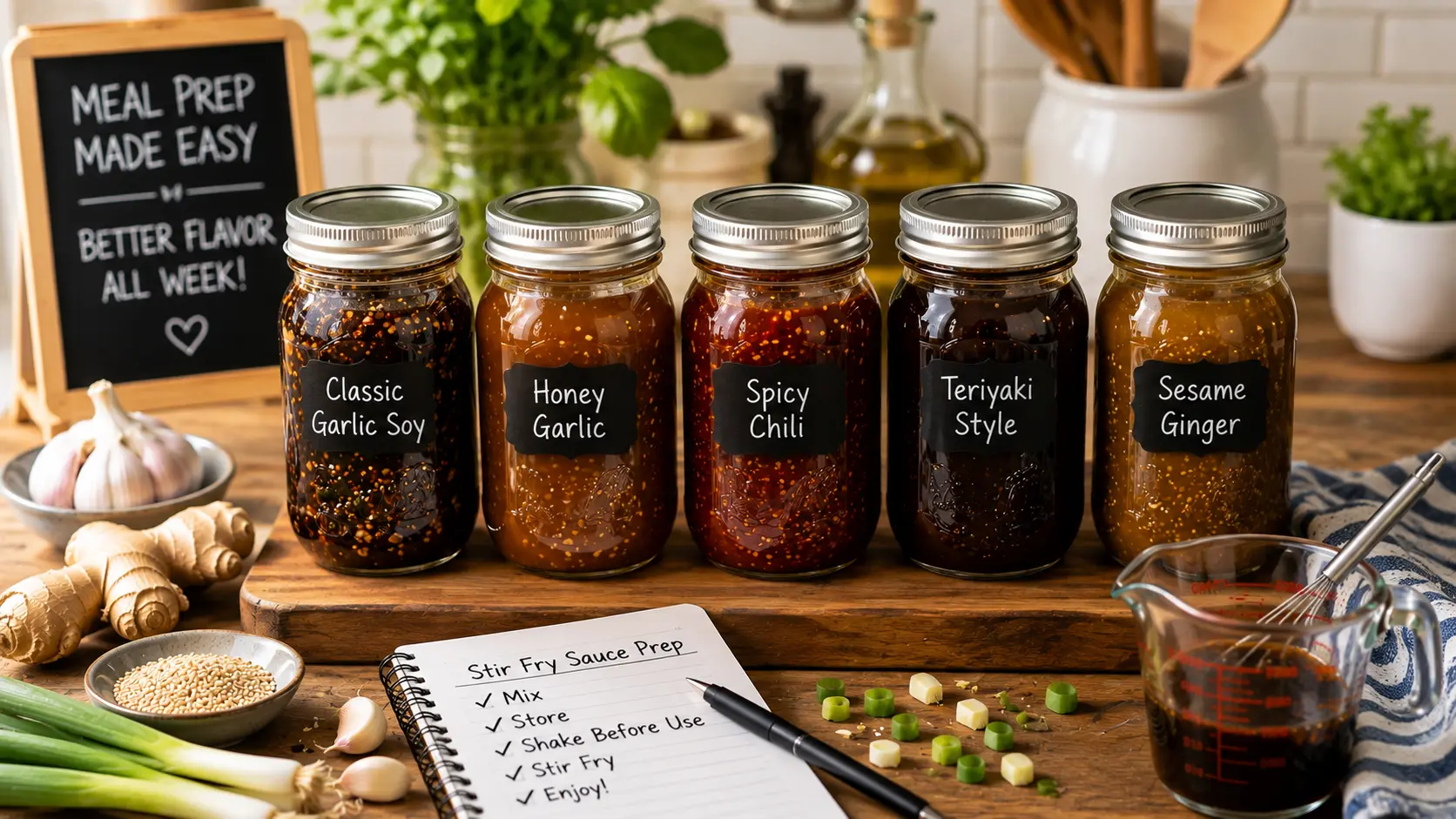
Meal Prep Tips for Homemade Sauces
Preparing several sauces at once saves time throughout the week. Many home cooks keep two or three different sauces in the refrigerator so they can create different meals using the same ingredients.
- Measure all liquid ingredients before cooking.
- Store each sauce in a sealed glass jar or airtight container.
- Label containers with the preparation date.
- Shake or stir well before each use.
- Keep the cornstarch slurry separate if storing for more than a day for the smoothest texture.
Kitchen Secret: Make a double batch of your favorite stir fry sauce and divide it into smaller jars. This gives you ready-to-use portions that reduce preparation time on busy evenings.
If you’re unsure how much sauce to prepare for each meal, our guide on How Much Stir Fry Sauce Should You Use? provides easy portion recommendations for different serving sizes.
How to Store Homemade Stir Fry Sauce Variations
Proper storage helps preserve both flavor and food safety. Since many homemade stir fry sauce variations contain fresh garlic and ginger, refrigeration is recommended unless the sauce has been cooked and preserved using approved canning methods.
Storage Tip: Store homemade stir fry sauce in a clean, airtight glass container in the refrigerator for up to one week. For longer storage, freeze individual portions for up to three months and thaw overnight in the refrigerator before use.
| Storage Method | Recommended Time | Best Practice |
|---|---|---|
| Refrigerator | Up to 1 week | Use a sealed glass jar or airtight container. |
| Freezer | Up to 3 months | Freeze in single-meal portions. |
| After Thawing | Use within 2 days | Keep refrigerated and do not refreeze. |
Before using refrigerated sauce, give it a good shake or stir. Ingredients such as honey, sesame oil, and cornstarch naturally separate during storage, but this doesn’t mean the sauce has spoiled.
Can You Customize Homemade Stir Fry Sauce Variations?
Absolutely. One reason homemade sauces are so popular is their flexibility. Once you understand the basic formula, you can easily adjust flavors to suit your family’s preferences.
Ways to Make Sauce Sweeter
- Add a little extra honey.
- Use brown sugar for a deeper caramel flavor.
- Add a splash of pineapple or orange juice.
Ways to Make Sauce Spicier
- Increase chili garlic sauce.
- Add crushed red pepper flakes.
- Mix in fresh sliced chilies.
- Use a small amount of sriracha.
Ways to Increase Umami
- Add oyster sauce.
- Use mushroom powder.
- Include a small amount of hoisin sauce.
- Add a few drops of fish sauce if appropriate for the dish.
Tip: Change only one ingredient at a time when experimenting. This makes it easier to understand how each adjustment affects the final flavor.
Whether you’re preparing a simple Chicken Stir Fry, a flavorful Garlic Chicken Stir Fry, or a colorful Chicken Veggie Stir Fry, experimenting with different homemade stir fry sauce variations keeps your meals fresh, interesting, and perfectly suited to your taste.
References
Frequently Asked Questions
What are the best homemade stir fry sauce variations?
The best homemade stir fry sauce variations include classic garlic soy, honey garlic, spicy chili, teriyaki-style, sesame ginger, sweet and sour, and low-sodium versions. Each one offers a unique flavor profile and pairs well with different proteins and vegetables.
Can I prepare homemade stir fry sauce variations ahead of time?
Yes. Most homemade stir fry sauces can be mixed several days in advance and stored in an airtight container in the refrigerator. Shake the sauce well before using because some ingredients naturally separate during storage.
Which homemade stir fry sauce variation is best for chicken?
Chicken is extremely versatile and works well with classic garlic soy, honey garlic, teriyaki-style, sesame ginger, and spicy chili sauces. The best choice depends on whether you prefer savory, sweet, or spicy flavors.
How can I make homemade stir fry sauce healthier?
Use low-sodium soy sauce, reduce added sugar, increase fresh garlic and ginger, and include plenty of vegetables. Homemade sauces allow you to control every ingredient, making them healthier than many bottled alternatives.
Why is my homemade stir fry sauce too thick or too thin?
The consistency usually depends on the amount of cornstarch slurry used. Too much slurry creates an overly thick sauce, while too little leaves it watery. Always stir the slurry before adding it to the pan for even thickening.
Can I freeze homemade stir fry sauce variations?
Yes. Freeze homemade stir fry sauce in individual portions for up to three months. Thaw overnight in the refrigerator and stir thoroughly before using.
Final Thoughts
Learning a few homemade stir fry sauce variations is one of the easiest ways to improve your home cooking. Instead of relying on bottled sauces with fixed flavors and higher sodium levels, homemade versions give you complete control over every ingredient. You can easily adjust sweetness, saltiness, spice, and acidity to match your family’s preferences while using fresh pantry staples.
Start with a simple garlic soy sauce, then gradually experiment with honey garlic, sesame ginger, teriyaki-style, spicy chili, or sweet and sour variations. As you become more comfortable balancing flavors, you’ll discover that creating your own stir fry sauces is both easy and rewarding.
With just a handful of versatile ingredients and a little practice, you’ll be able to prepare delicious stir fry meals that taste fresh, balanced, and perfectly customized every time.
🍽️ You Might Also Like

📧 Save This Recipe For Later
Enter your email and we will send this recipe directly to your inbox.