
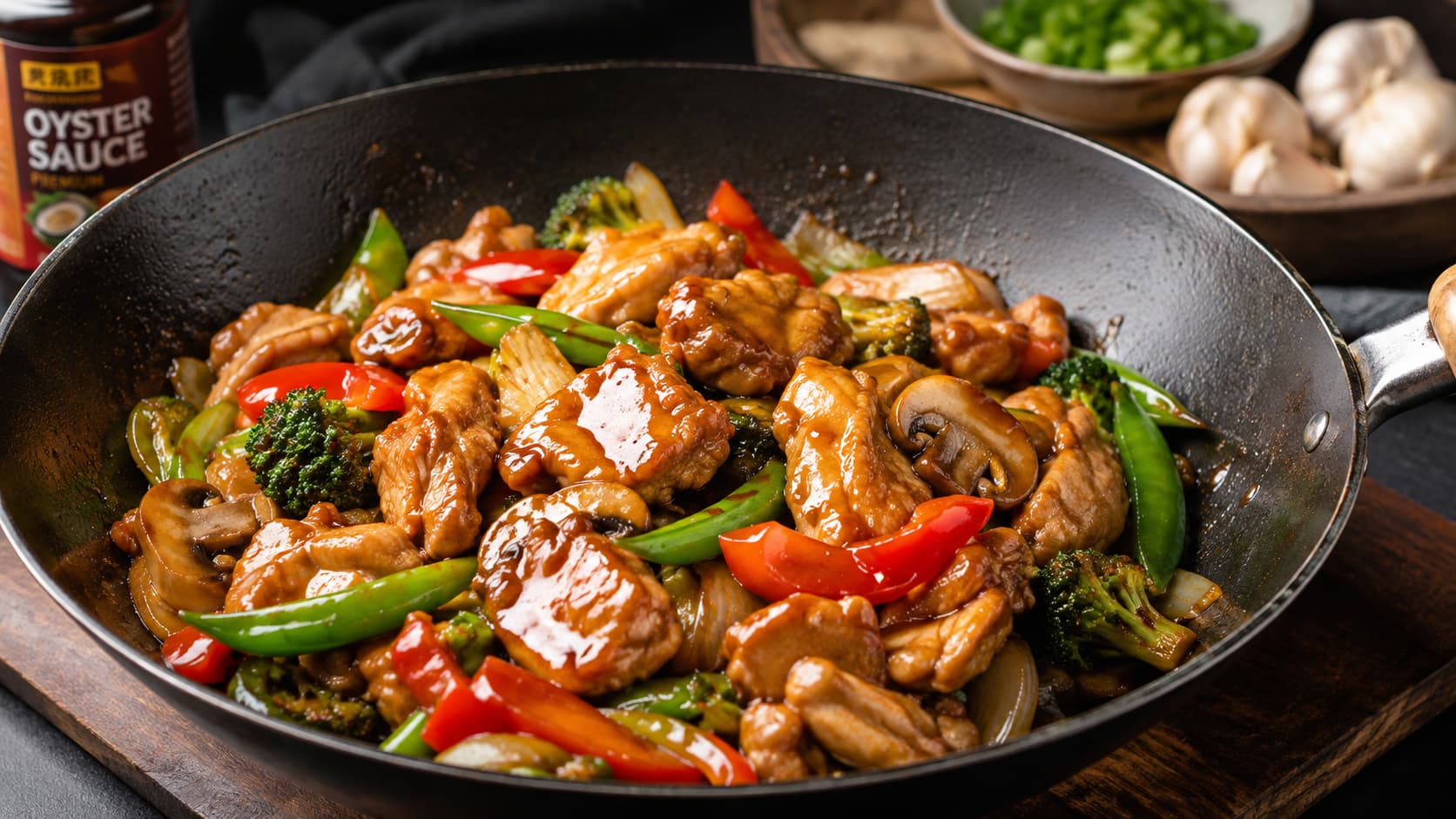
What Does Oyster Sauce Do in Stir Fry?
What Does Oyster Sauce Do in Stir Fry?
If you’ve ever wondered why restaurant-style stir fry tastes richer, looks shinier, and has a deeper savory flavor than homemade versions, the answer often comes down to one ingredient: oyster sauce in stir fry. While soy sauce adds saltiness and color, oyster sauce provides a unique balance of umami, mild sweetness, and a silky texture that ties every ingredient together.
Whether you’re making chicken, beef, shrimp, or vegetable stir fry, understanding how to use oyster sauce in stir fry can transform an ordinary meal into one that tastes like it came from your favorite Asian restaurant. It enhances the natural flavors of the meat and vegetables instead of overpowering them, making it one of the most versatile stir-fry sauces available.
In this guide, you’ll learn exactly what oyster sauce does, why professional chefs rely on it, when to add it during cooking, and how to use it correctly for consistently delicious results.
Quick Answer
Oyster sauce in stir fry adds rich umami flavor, a subtle sweetness, and a glossy finish that coats the ingredients evenly. It enhances the natural taste of chicken, beef, seafood, and vegetables while helping create the thick, restaurant-style sauce commonly found in Asian stir fries. For the best flavor, oyster sauce is typically combined with soy sauce and added near the end of cooking.
Table of Contents
What Is Oyster Sauce?
Oyster sauce is a thick, dark brown condiment made by concentrating oyster extracts and blending them with seasonings such as sugar, salt, and starch. Modern versions may also include soy sauce and other ingredients to create a balanced, savory flavor. Despite its name, the sauce doesn’t have a strong seafood taste. Instead, it delivers a rich umami profile that complements many different foods.
One reason oyster sauce in stir fry is so popular is its versatility. It works equally well with chicken, beef, pork, shrimp, tofu, and vegetables. The sauce adds depth without masking the natural flavors of the ingredients, making it a staple in many Chinese and Asian-inspired kitchens.
If you’re just starting to cook stir fry at home, oyster sauce is one of the easiest ways to achieve restaurant-quality flavor without needing a long list of specialty ingredients.
Tip: For the best results, choose a naturally brewed oyster sauce with oyster extract listed near the top of the ingredient list. Higher-quality sauces usually deliver a richer flavor and require less sauce per serving.
Why Use Oyster Sauce in Stir Fry?
The biggest reason cooks use oyster sauce in stir fry is that it creates layers of flavor with very little effort. Instead of simply making food salty, it brings together savory, slightly sweet, and rich umami notes that make every bite more satisfying. This balanced flavor is difficult to achieve with soy sauce alone.
Professional chefs often think of oyster sauce as a flavor enhancer rather than the main seasoning. It works alongside ingredients like soy sauce, garlic, ginger, sesame oil, and rice vinegar to create a complete stir-fry sauce. When these ingredients are combined correctly, each one supports the others instead of competing for attention.
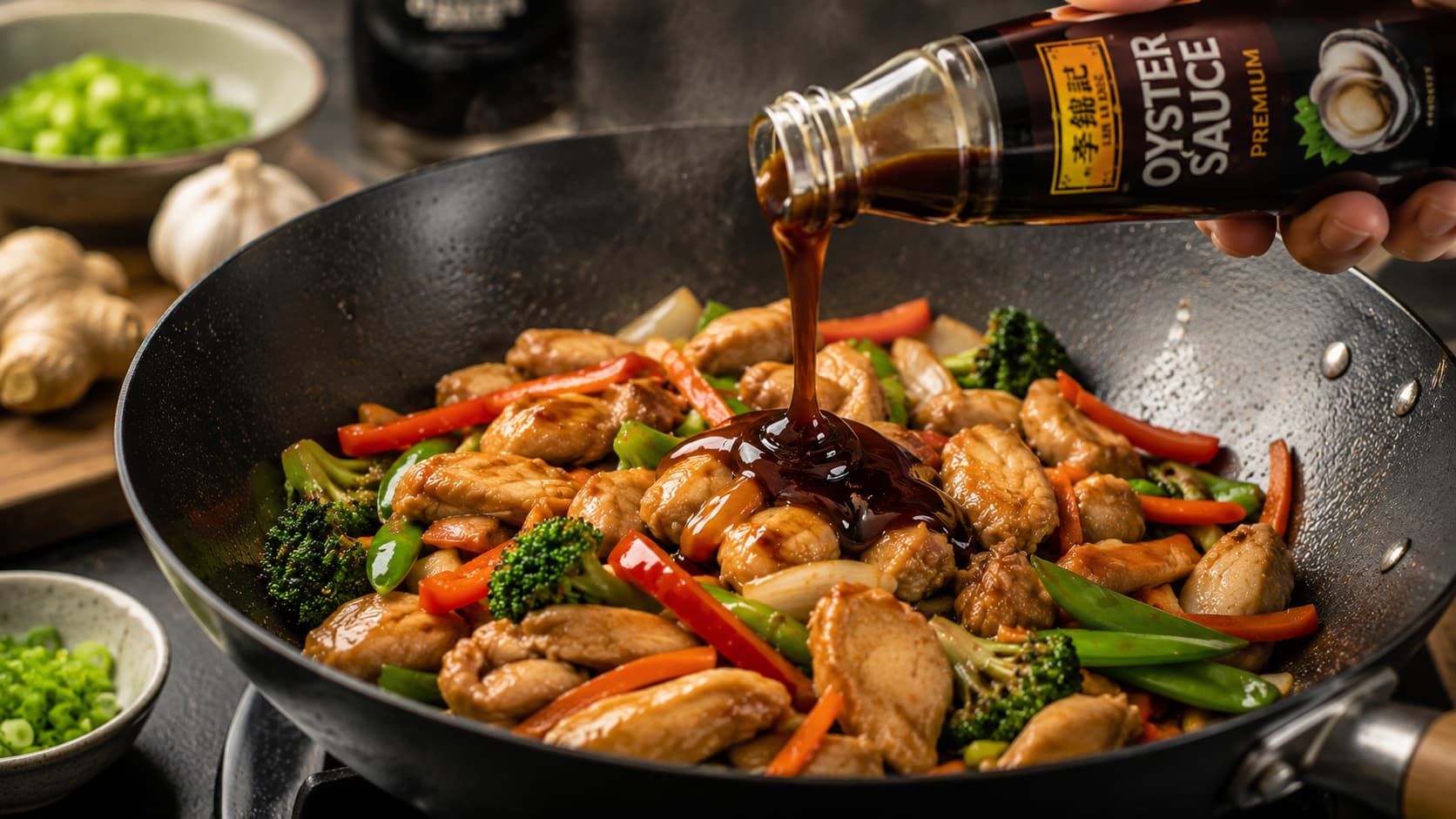
Creates Rich Umami Flavor
Umami is often described as the fifth basic taste, alongside sweet, sour, salty, and bitter. Oyster sauce is naturally rich in umami compounds, which give stir fry its deep, savory character. This is why restaurant stir fries often taste fuller and more complex than homemade versions that rely only on soy sauce.
Using oyster sauce in stir fry makes chicken taste meatier, vegetables taste more flavorful, and sauces taste more balanced without requiring extra seasoning.
Adds a Beautiful Glossy Finish
One of the first things you’ll notice about restaurant stir fry is its shiny appearance. Oyster sauce plays a major role in creating this glossy coating. Because it has a naturally thick consistency, it lightly clings to every piece of meat and every vegetable.
Instead of pooling at the bottom of the pan, the sauce evenly coats the ingredients, making the finished dish look more appetizing while ensuring every bite contains plenty of flavor.
Kitchen Secret: Many restaurant chefs combine oyster sauce with a small amount of soy sauce, chicken stock, and cornstarch slurry. This combination creates the silky, glossy sauce that coats every ingredient without becoming too thick.
Balances Sweetness and Saltiness
Unlike soy sauce, which is primarily salty, oyster sauce has a naturally balanced flavor. It contains mild sweetness that softens the sharp saltiness of soy sauce while enhancing the savory notes of the entire dish.
This balance is especially important when cooking vegetables such as broccoli, mushrooms, bell peppers, snow peas, and carrots. The gentle sweetness helps highlight their natural flavors instead of overwhelming them.
If you’re making recipes like Chicken Broccoli Stir Fry or Chicken Mushroom Stir Fry, oyster sauce provides the rich, restaurant-style finish that brings all the ingredients together.
How Oyster Sauce Improves Flavor and Texture
Adding oyster sauce in stir fry does much more than improve flavor. It also changes the overall texture of the finished dish by helping the sauce cling evenly to every ingredient. This creates the smooth, glossy coating that many people associate with restaurant-quality stir fry.
Because oyster sauce is naturally thicker than soy sauce, it blends well with cooking juices released from the meat and vegetables. Instead of creating a watery sauce, it helps form a rich coating that distributes flavor throughout the entire dish.
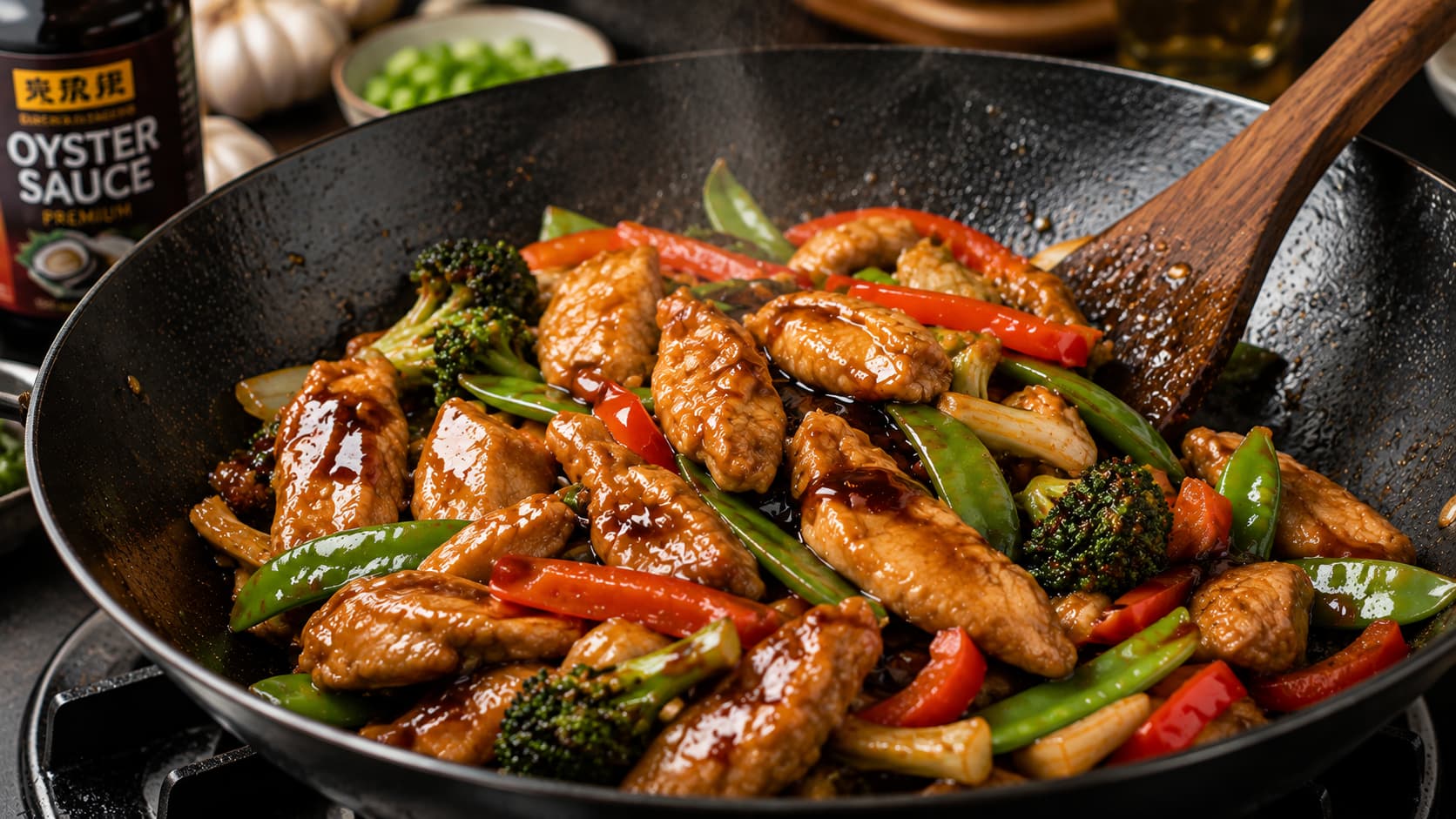
Helps Every Ingredient Taste Better
One of the reasons professional cooks rely on oyster sauce in stir fry is its ability to enhance the natural flavor of every ingredient. Chicken tastes juicier, mushrooms develop a deeper earthy flavor, broccoli becomes more savory, and bell peppers gain a subtle sweetness without losing their freshness.
Rather than masking ingredients, oyster sauce complements them. This is why it works with so many different proteins and vegetables, from beef and shrimp to tofu and mixed vegetables.
Creates Better Sauce Consistency
A common problem with homemade stir fry is having a sauce that’s either too watery or too thick. Oyster sauce helps solve this because it naturally adds body to the sauce.
When combined with soy sauce and a small amount of cornstarch slurry, it creates the silky consistency found in many restaurant dishes. The sauce lightly coats every ingredient instead of running off onto the plate.
Tip: Mix oyster sauce with the rest of your stir-fry sauce before cooking. Having the sauce ready allows you to add it quickly during the final minutes, preventing overcooking and ensuring even coating.
Works Well with Other Stir-Fry Sauces
Although oyster sauce in stir fry is flavorful on its own, it’s usually combined with other ingredients to create a balanced sauce. Popular additions include:
- Light soy sauce for saltiness
- Dark soy sauce for richer color
- Garlic for aromatic flavor
- Fresh ginger for brightness
- Sesame oil for nutty aroma
- Chicken broth for depth
- Cornstarch slurry for a silky finish
These ingredients work together to create a sauce that’s savory, slightly sweet, and perfectly balanced.
If you’d like to experiment with different flavor combinations, check out our guide to Best Homemade Stir Fry Sauce Variations. It explains how different ingredients change the taste and texture of homemade sauces.
Common Mistake: Adding oyster sauce too early can reduce its fresh, savory flavor because prolonged high heat causes some of its delicate taste compounds to break down. For the best results, stir it into the pan during the final 1–2 minutes of cooking.
Understanding how oyster sauce in stir fry affects flavor and texture also makes it easier to decide which ingredients pair best with it. In the next section, we’ll explore the meats and vegetables that benefit the most from this versatile sauce.
Best Foods That Pair with Oyster Sauce
One of the biggest advantages of using oyster sauce in stir fry is its versatility. It complements a wide variety of proteins and vegetables without overpowering their natural flavors. Whether you’re preparing a quick weeknight dinner or recreating your favorite takeout meal, oyster sauce helps bring all the ingredients together into one balanced dish.
Because it provides both savory depth and a hint of sweetness, oyster sauce pairs especially well with ingredients that develop flavor quickly over high heat.
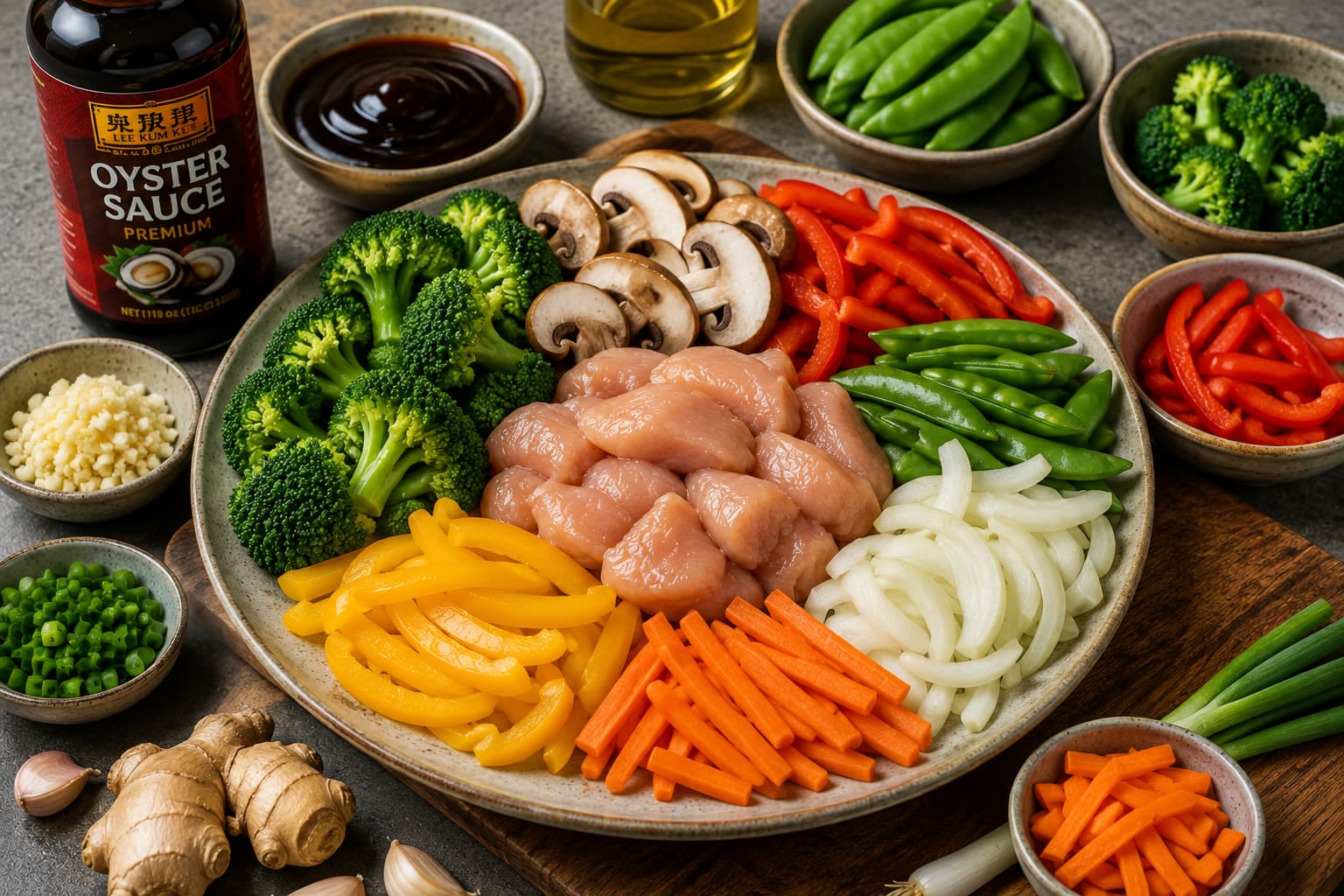
Best Proteins for Oyster Sauce
Chicken is one of the most popular choices because its mild flavor absorbs the rich taste of oyster sauce exceptionally well. Thinly sliced chicken breast or chicken thighs become tender and flavorful when coated with a well-balanced stir-fry sauce.
Other excellent protein options include:
- Beef strips
- Shrimp
- Pork loin
- Firm tofu
- Tempeh
- Sliced turkey breast
Each of these proteins benefits from the savory richness that oyster sauce in stir fry provides while maintaining its own distinct flavor.
Vegetables That Work Best
Many vegetables become sweeter as they cook, making them an ideal match for oyster sauce. The sauce enhances their natural flavors while adding a glossy coating that improves both appearance and texture.
Some of the best vegetables include:
- Broccoli
- Mushrooms
- Bell peppers
- Snow peas
- Carrots
- Baby corn
- Bok choy
- Onions
- Sugar snap peas
These vegetables maintain their crisp-tender texture while absorbing just enough sauce to create a balanced bite.
| Ingredient | Why It Pairs Well with Oyster Sauce |
|---|---|
| Chicken | Absorbs savory flavors while remaining juicy. |
| Broccoli | Balances the sauce with its slightly earthy flavor. |
| Mushrooms | Enhance the overall umami richness. |
| Bell Peppers | Add natural sweetness and color. |
| Shrimp | Pairs well with the sauce’s mild sweetness. |
| Tofu | Soaks up the sauce for maximum flavor. |
Kitchen Secret: Use a variety of vegetables with different textures instead of relying on just one or two. Crisp vegetables like broccoli and snow peas combined with tender mushrooms create a more satisfying stir fry that also holds the sauce better.
If you’re looking for recipe inspiration, try our Classic Chicken Stir Fry, Chicken Veggie Stir Fry, or Healthy Chicken Stir Fry. These recipes demonstrate how oyster sauce in stir fry works with different combinations of vegetables and lean proteins to create flavorful meals.
Choosing the right ingredients is only part of the equation. Even high-quality oyster sauce can produce disappointing results if it’s used incorrectly. In the next section, we’ll cover the most common mistakes people make and how to avoid them for consistently delicious stir fry.
Common Mistakes When Using Oyster Sauce in Stir Fry
Even though oyster sauce in stir fry is easy to use, a few common mistakes can prevent you from achieving the rich, restaurant-quality flavor you’re looking for. Understanding these mistakes will help you make better stir fry every time and get the most from this versatile ingredient.
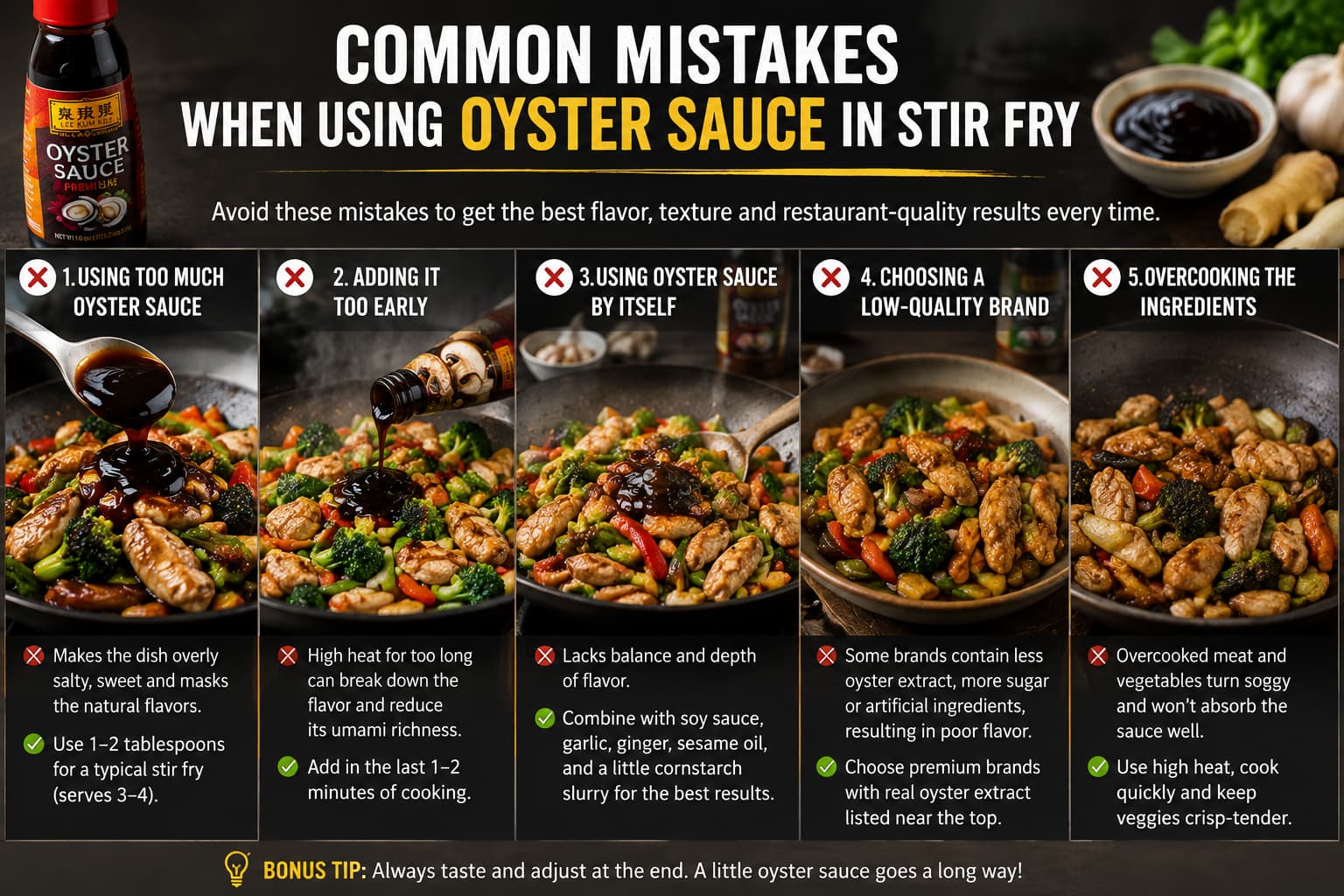
Using Too Much Oyster Sauce
One of the biggest misconceptions is that adding more oyster sauce automatically creates better flavor. In reality, too much sauce can overpower the natural taste of your ingredients and make the dish excessively salty or overly sweet.
For most family-sized stir fries serving four people, 1 to 2 tablespoons of oyster sauce in stir fry is usually enough when combined with soy sauce and other seasonings.
Warning: Oyster sauce is a concentrated condiment. Always start with a small amount and taste the sauce before adding more. It’s much easier to increase seasoning than to correct an overly salty stir fry.
Adding It Too Early
Oyster sauce develops its best flavor when it’s added near the end of cooking. If it spends too long over very high heat, some of its delicate savory notes can become muted.
The ideal approach is to cook your protein first, then the vegetables, and finally stir in your prepared sauce mixture during the last minute or two of cooking. This allows the sauce to coat every ingredient without losing its balanced flavor.
Using Oyster Sauce by Itself
Although oyster sauce is flavorful, it isn’t designed to be the only seasoning in a stir fry. Combining it with complementary ingredients creates a more complete and balanced sauce.
Popular additions include:
- Light soy sauce
- Fresh garlic
- Fresh ginger
- Sesame oil
- Chicken stock
- Cornstarch slurry
- A pinch of white pepper
These ingredients enhance the richness of oyster sauce in stir fry while creating the silky texture associated with restaurant dishes.
Choosing a Low-Quality Brand
Not all oyster sauces are created equal. Some budget versions contain very little oyster extract and rely heavily on sugar, artificial flavors, or thickeners. While they may still work in recipes, they often lack the deep umami flavor found in premium brands.
If you’re shopping for a bottle, look for products that list oyster extract near the top of the ingredient list. A quality sauce usually provides more flavor, meaning you’ll need to use less.
For detailed recommendations, read our guide to Best Oyster Sauce Brands for Homemade Stir Fry.
Pros of Oyster Sauce
- Rich umami flavor
- Creates a glossy restaurant-style finish
- Works with many proteins and vegetables
- Easy to combine with other sauces
- Requires only a small amount for excellent flavor
Potential Drawbacks
- Can become too salty if overused
- Some brands contain added sugar
- Not suitable for people with shellfish allergies
- Lower-quality products may lack authentic flavor
- Needs complementary ingredients for the best results
Avoiding these simple mistakes will help you get the best results every time you use oyster sauce in stir fry. In the final section, we’ll answer the most common questions, share key takeaways, and help you confidently use oyster sauce in your favorite homemade stir-fry recipes.
Frequently Asked Questions
Can I use oyster sauce in stir fry without soy sauce?
Yes, you can use oyster sauce in stir fry on its own, but combining it with soy sauce creates a more balanced flavor. Soy sauce adds saltiness, while oyster sauce contributes rich umami, mild sweetness, and a glossy finish.
When should I add oyster sauce to stir fry?
For the best results, add oyster sauce in stir fry during the final 1–2 minutes of cooking. This allows the sauce to coat the ingredients evenly without losing its rich, savory flavor from prolonged exposure to high heat.
Does oyster sauce make stir fry taste like seafood?
No. Despite being made with oyster extract, oyster sauce has a deep savory flavor rather than a strong seafood taste. Most people notice its umami richness more than any seafood flavor.
Can vegetarians use oyster sauce?
Traditional oyster sauce contains oyster extract, so it isn’t vegetarian. However, vegetarian mushroom-based oyster-style sauces are widely available and offer a similar savory flavor for vegetable and tofu stir fries.
How much oyster sauce should I use in stir fry?
For a stir fry serving about four people, 1 to 2 tablespoons of oyster sauce in stir fry is usually enough. Adjust the amount depending on the other sauces you’re using and your personal taste preferences.
What vegetables pair best with oyster sauce?
Broccoli, mushrooms, carrots, bell peppers, snow peas, bok choy, onions, and baby corn all pair exceptionally well with oyster sauce because they absorb its savory flavor while maintaining their natural texture.
Final Thoughts
Understanding what oyster sauce in stir fry does can completely change the way you cook homemade stir fry. Rather than simply adding salt, it builds layers of umami, balances sweetness with savory flavor, and creates the glossy coating that’s often associated with restaurant-quality meals.
Whether you’re preparing chicken, beef, shrimp, tofu, or mixed vegetables, using oyster sauce correctly helps bring all the ingredients together into one flavorful dish. The key is using a quality brand, combining it with complementary ingredients like soy sauce and garlic, and adding it near the end of cooking for the best flavor and texture.
If you’re ready to improve your homemade stir fry even further, explore our guides on The Ultimate Chicken Stir Fry Sauce Guide, Easy Homemade Stir Fry Sauce, and Common Stir Fry Sauce Mistakes. They provide practical tips that will help you consistently create flavorful, restaurant-style meals at home.
References
🍽️ You Might Also Like
📧 Save This Recipe For Later
Enter your email and we will send this recipe directly to your inbox.