
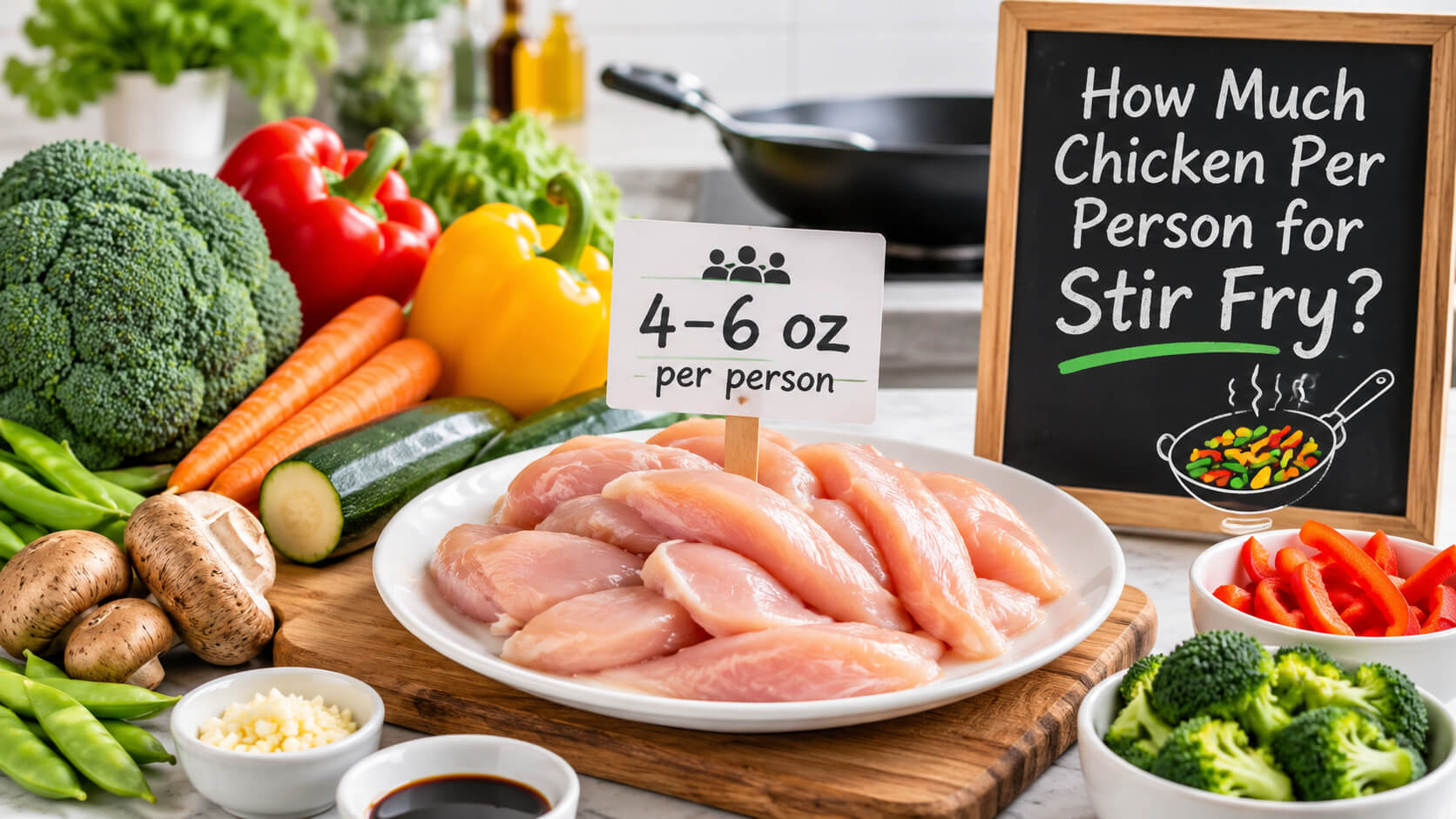
How Much Chicken Do You Need Per Person for Stir Fry?
How Much Chicken Do You Need Per Person for Stir Fry?
Planning a homemade stir fry sounds simple until you reach the grocery store and wonder, how much chicken do you actually need? Buying too little can leave everyone hungry, while buying too much often leads to unnecessary waste or leftovers that may never get used.
Knowing the right chicken per person stir fry serving size makes meal planning easier, helps control food costs, and ensures every plate has the right balance of protein and vegetables. Whether you’re preparing dinner for two, feeding a large family, or meal prepping lunches for the week, using the correct portion size creates better-tasting meals and more consistent results.
In this guide, you’ll learn exactly how much chicken to buy per person, how different appetites affect serving sizes, how vegetables and rice change portion requirements, and practical tips professional home cooks use to avoid overbuying or running short.
Quick Answer
For most adults, plan on 4 to 6 ounces (113–170 g) of raw boneless chicken per person for stir fry. If the meal includes plenty of vegetables, rice, or noodles, 4 ounces is usually enough. For larger appetites or protein-focused meals, increase the portion to 6–8 ounces. This chicken per person stir fry guideline provides enough protein while keeping the meal balanced and satisfying.
Table of Contents
Why Portion Size Matters
Choosing the correct amount of chicken isn’t only about preventing leftovers. Proper portioning affects nutrition, cooking performance, meal costs, and even food safety.
When too much chicken is crowded into a wok or skillet, it releases moisture instead of browning properly. Instead of getting lightly caramelized pieces, the chicken steams, resulting in a softer texture and less flavor. Using the right amount helps every piece cook quickly over high heat.
Correct portions also create a healthier balance between protein, vegetables, and grains. A good stir fry isn’t meant to be a plate full of chicken. Fresh vegetables, colorful ingredients, and a flavorful sauce all contribute to a complete meal.
Tip: A balanced stir fry usually contains about one-third protein and two-thirds vegetables and other ingredients. This ratio provides satisfying meals without making the dish overly heavy.
Another benefit is saving money. Chicken is often the most expensive ingredient in a stir fry. Buying only what you need reduces grocery costs while still serving generous portions.
If you’re cooking for children, seniors, or anyone with a smaller appetite, using standard adult portions may create unnecessary leftovers. On the other hand, active adults or athletes often need larger servings to meet their daily protein goals.
Recommended Chicken Per Person
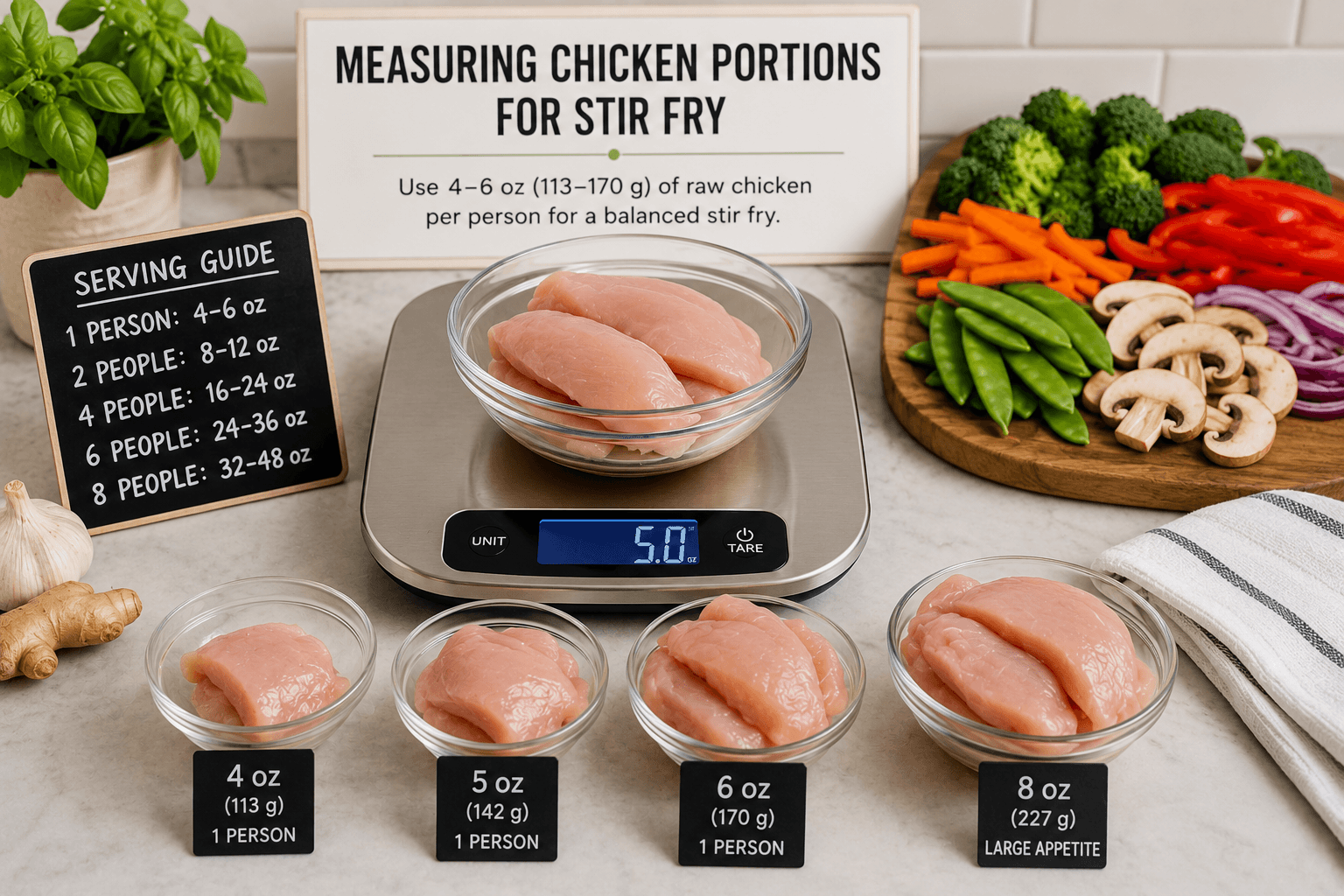
For most recipes, the ideal chicken per person stir fry serving falls between 4 and 6 ounces of raw boneless chicken. This amount shrinks slightly during cooking as moisture evaporates but still provides a satisfying serving of lean protein.
The exact amount depends on how the meal is served. If your stir fry includes generous amounts of broccoli, cabbage, mushrooms, zucchini, bell peppers, or other vegetables, a smaller chicken portion often feels more filling than expected.
| Meal Type | Raw Chicken Per Person | Best For |
|---|---|---|
| Light Lunch | 4 oz (113 g) | Vegetable-heavy stir fry |
| Average Dinner | 5 oz (142 g) | Most families |
| Large Appetite | 6 oz (170 g) | High-protein meals |
| Athletes | 7–8 oz (198–227 g) | Higher protein intake |
Remember that these recommendations refer to raw boneless chicken. Bone-in chicken pieces contain less edible meat, so you’ll need to purchase a larger quantity to achieve the same serving size.
Kitchen Secret: Professional cooks usually weigh chicken before slicing it. Cutting evenly sized strips helps every piece cook at the same speed while making portion sizes much more accurate.
You’ll also notice that vegetables significantly stretch a meal. For example, adding broccoli, mushrooms, snap peas, carrots, onions, or cabbage increases volume without requiring additional chicken. This is one reason restaurant stir fries often appear generous despite using moderate amounts of meat.
If you’re preparing a healthier version of stir fry, increasing vegetables while keeping the recommended chicken per person stir fry portion creates a filling meal with fewer calories and more fiber.
For meal prep, many home cooks divide cooked chicken into individual containers immediately after cooking. This prevents accidental overeating and makes weekday lunches much easier to organize.
Planning Tip: If you’re serving stir fry with steamed rice, brown rice, quinoa, or noodles, the standard 4–5 ounce chicken serving is usually enough for most adults.
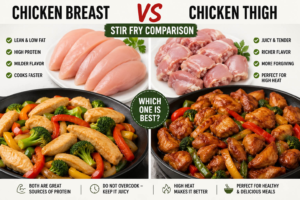
If you’re still deciding which cut to buy, our guide to Best Chicken Cuts for Stir Fry explains how different cuts affect tenderness and portion planning. You can also compare Chicken Breast vs. Chicken Thigh for Stir Fry before shopping.
Once you’ve purchased the correct amount, proper preparation becomes just as important. Learn safe thawing methods in our guide to How to Thaw Chicken for Stir Fry before you begin cooking.
What Changes the Ideal Chicken Portion?
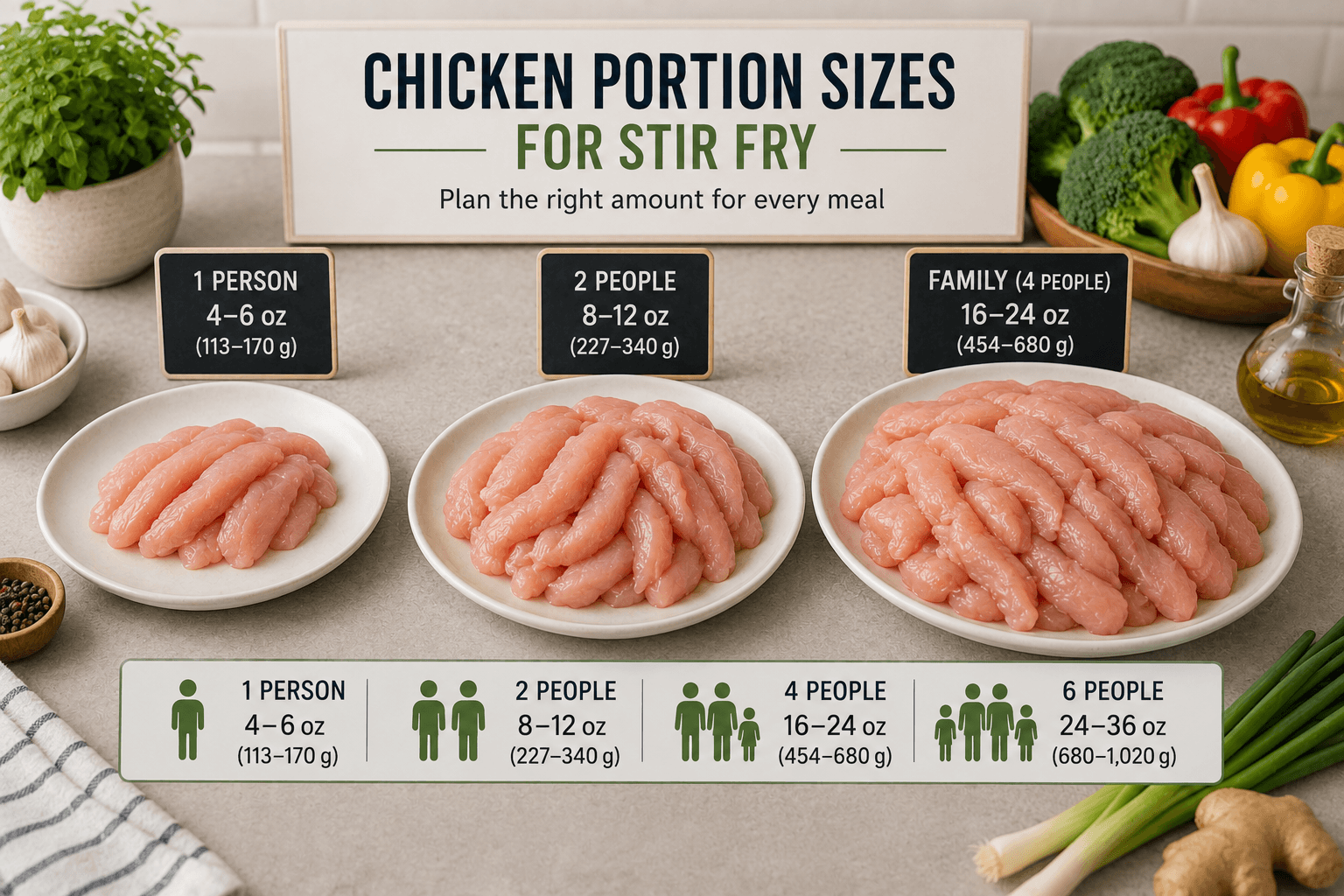
Although the general recommendation is 4–6 ounces of raw chicken per adult, there isn’t a single serving size that fits everyone. The ideal chicken per person stir fry amount depends on several factors, including appetite, age, activity level, and the ingredients served alongside the chicken.
Understanding these variables allows you to prepare enough food without buying more chicken than necessary.
1. The Number of Vegetables
Vegetables play a major role in determining how much chicken you’ll need. A stir fry packed with broccoli, cabbage, carrots, mushrooms, bell peppers, zucchini, onions, and snap peas naturally feels larger and more filling than one made with only chicken.
Vegetables add fiber, water, vitamins, and texture while increasing the overall volume of the meal without significantly increasing calories.
If your stir fry contains plenty of vegetables, 4 ounces of chicken per person is usually enough.
Tip: Try using at least twice as many vegetables as chicken by volume. This creates a healthier, restaurant-style stir fry that’s colorful, satisfying, and budget-friendly.
2. Rice or Noodles
The side dish also affects the ideal chicken per person stir fry serving size. Rice, noodles, quinoa, or cauliflower rice all contribute to fullness.
When serving stir fry over steamed white rice or brown rice, most adults are completely satisfied with 4–5 ounces of chicken. If you’re skipping grains and serving only chicken and vegetables, increasing the portion to 6 ounces provides a more balanced meal.
| Side Dish | Recommended Chicken | Reason |
|---|---|---|
| Rice | 4–5 oz | Rice provides additional calories and fullness. |
| Noodles | 4–5 oz | Noodles make the meal more filling. |
| Vegetables Only | 5–6 oz | More protein replaces missing carbohydrates. |
| Low-Carb Meal | 6 oz | Higher protein helps maintain satiety. |
3. Age and Appetite
Children typically require much smaller portions than adults. Depending on their age, 2–3 ounces of raw chicken is often enough for a child when served with vegetables and rice.
Older adults may also prefer lighter portions, while teenagers, athletes, and highly active adults often enjoy 6–8 ounces because of their higher energy and protein needs.
Whenever possible, consider the eating habits of the people you’re cooking for instead of relying only on general serving recommendations.
How Much Chicken to Buy for Different Group Sizes
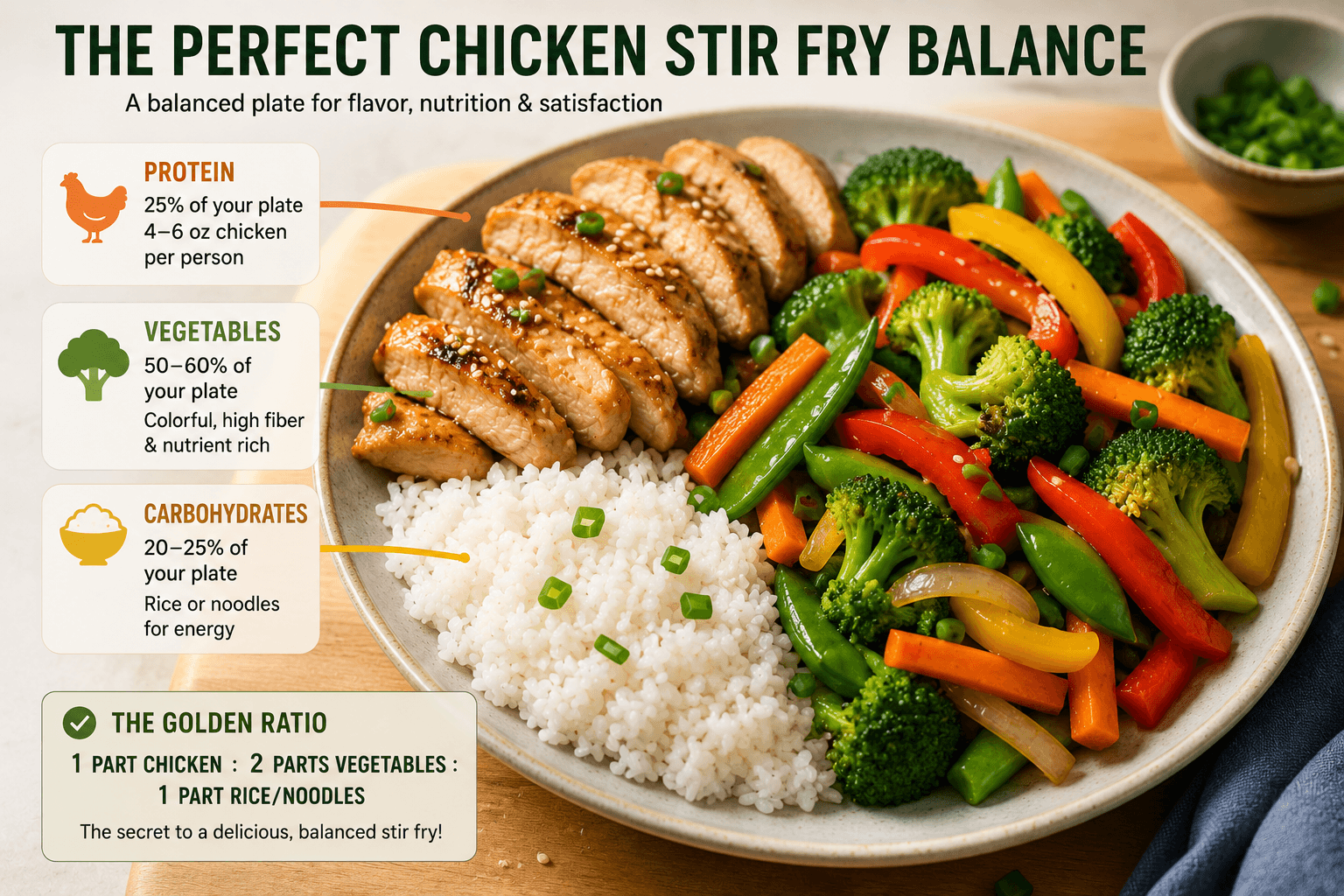
One of the most common questions people ask is how much chicken to purchase when cooking for several people. Using the recommended chicken per person stir fry guideline makes shopping much easier.
| Number of People | Total Chicken Needed | Approximate Pounds |
|---|---|---|
| 2 | 8–12 oz | 0.5–0.75 lb |
| 4 | 16–24 oz | 1–1.5 lb |
| 6 | 24–36 oz | 1.5–2.25 lb |
| 8 | 32–48 oz | 2–3 lb |
| 10 | 40–60 oz | 2.5–3.75 lb |
These amounts assume you’re preparing a balanced stir fry with vegetables and serving rice or noodles on the side.
If you’re hosting a dinner party where stir fry is the only main course, consider purchasing an extra half-pound of chicken. Having a small amount left over is usually preferable to running out before everyone has eaten.
Expert Tip: When buying chicken for groups, round up to the nearest whole package instead of trying to purchase the exact calculated weight. Any leftovers can easily be used for meal prep or another stir fry later in the week.
Planning Chicken for Meal Prep
Meal prep requires slightly different planning than cooking a single dinner. Instead of focusing on one meal, you’re preparing several portions in advance.
For example:
- 5 lunches × 5 ounces of chicken = 25 ounces of raw chicken
- 10 lunches × 5 ounces = 50 ounces (just over 3 pounds)
- Family meal prep for four people across three dinners requires approximately 60 ounces (about 3¾ pounds).
Buying chicken in family-size packages is often more economical for meal prep. Divide the chicken into individual portions before freezing so you can thaw only what you need.
Meal Prep Tip: Label freezer bags with the weight and date. This makes it easy to grab exactly the right amount of chicken for your next stir fry without guessing.
If you’re freezing chicken before cooking, check out our guide to Using Frozen Chicken for Stir Fry. It explains the safest methods for freezing and thawing while maintaining quality.
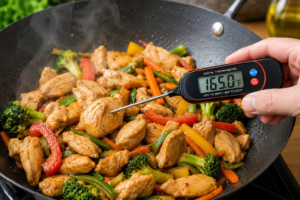
After cooking, always make sure the chicken reaches the proper internal temperature. Our article on Chicken Stir Fry Temperature explains exactly when chicken is fully cooked and safe to eat.
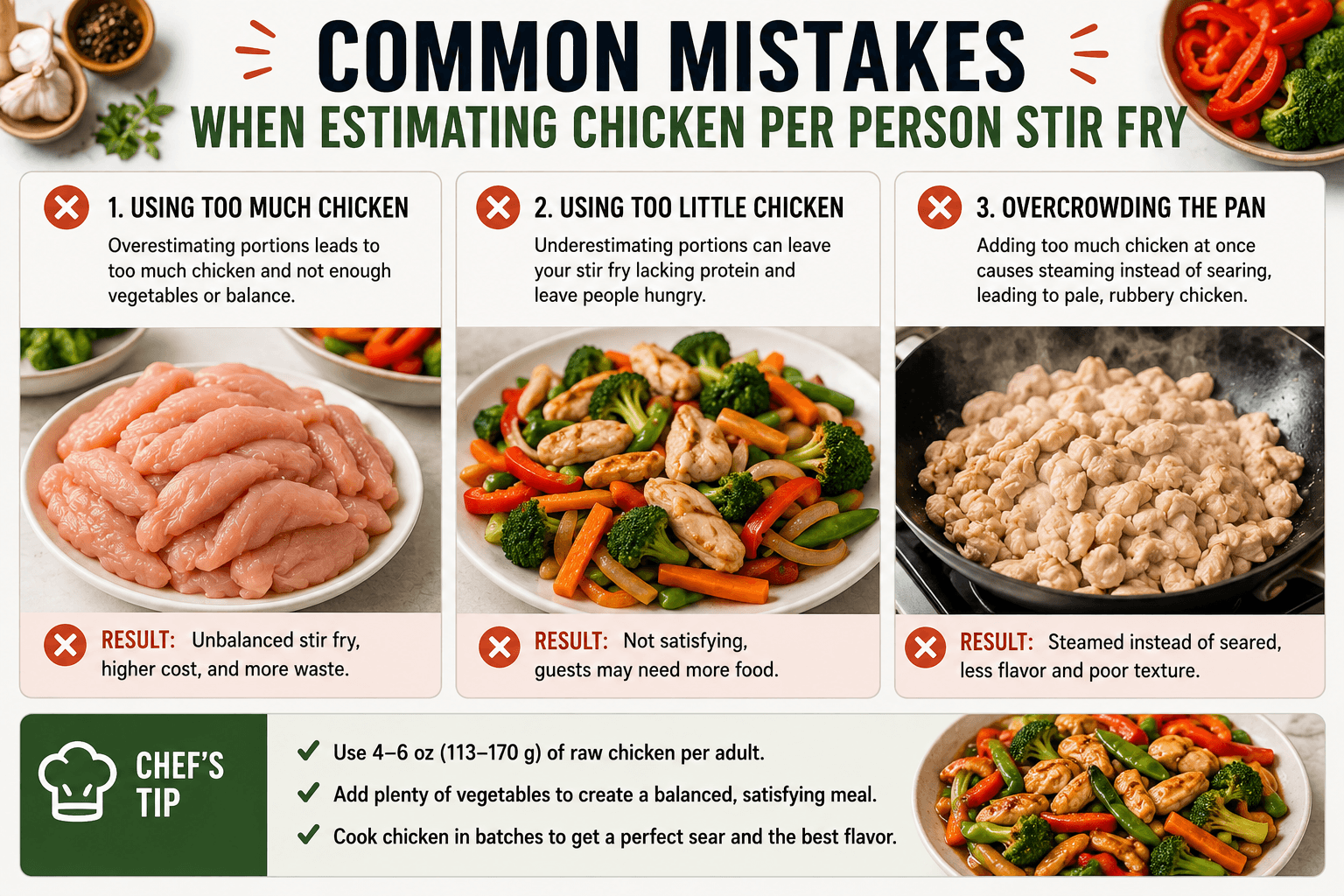
Common Mistakes When Estimating Chicken Portions
Even experienced home cooks occasionally misjudge how much chicken they need for stir fry. While buying an extra package of chicken may not seem like a big deal, consistently overestimating portions can increase grocery costs and create unnecessary food waste. On the other hand, buying too little often leaves guests unsatisfied and makes the meal feel incomplete.
Understanding these common mistakes will help you plan the ideal chicken per person stir fry serving every time.
Buying Chicken Without Considering Vegetables
One of the biggest mistakes is treating stir fry like a grilled chicken dinner. Stir fry is designed to combine protein, vegetables, and sauce into one balanced dish. If you ignore the vegetables when calculating portions, you’ll almost always buy more chicken than necessary.
For example, a stir fry packed with broccoli, zucchini, mushrooms, cabbage, carrots, bell peppers, and onions naturally becomes much more filling than chicken alone.
Common Mistake: Don’t let chicken dominate the pan. A vegetable-heavy stir fry delivers better texture, more nutrients, and a more authentic restaurant-style meal.
Ignoring Cooking Loss
Raw chicken loses approximately 20–25% of its weight during cooking because moisture evaporates. This surprises many home cooks who weigh chicken after it’s cooked and assume they didn’t buy enough.
That’s why serving recommendations are almost always based on raw weight, not cooked weight.
| Raw Chicken | Approximate Cooked Weight |
|---|---|
| 4 oz | 3–3.2 oz |
| 5 oz | 3.8–4 oz |
| 6 oz | 4.5–4.8 oz |
| 8 oz | 6–6.5 oz |
Keeping this natural moisture loss in mind makes it much easier to calculate the correct chicken per person stir fry amount before shopping.
Overcrowding the Pan
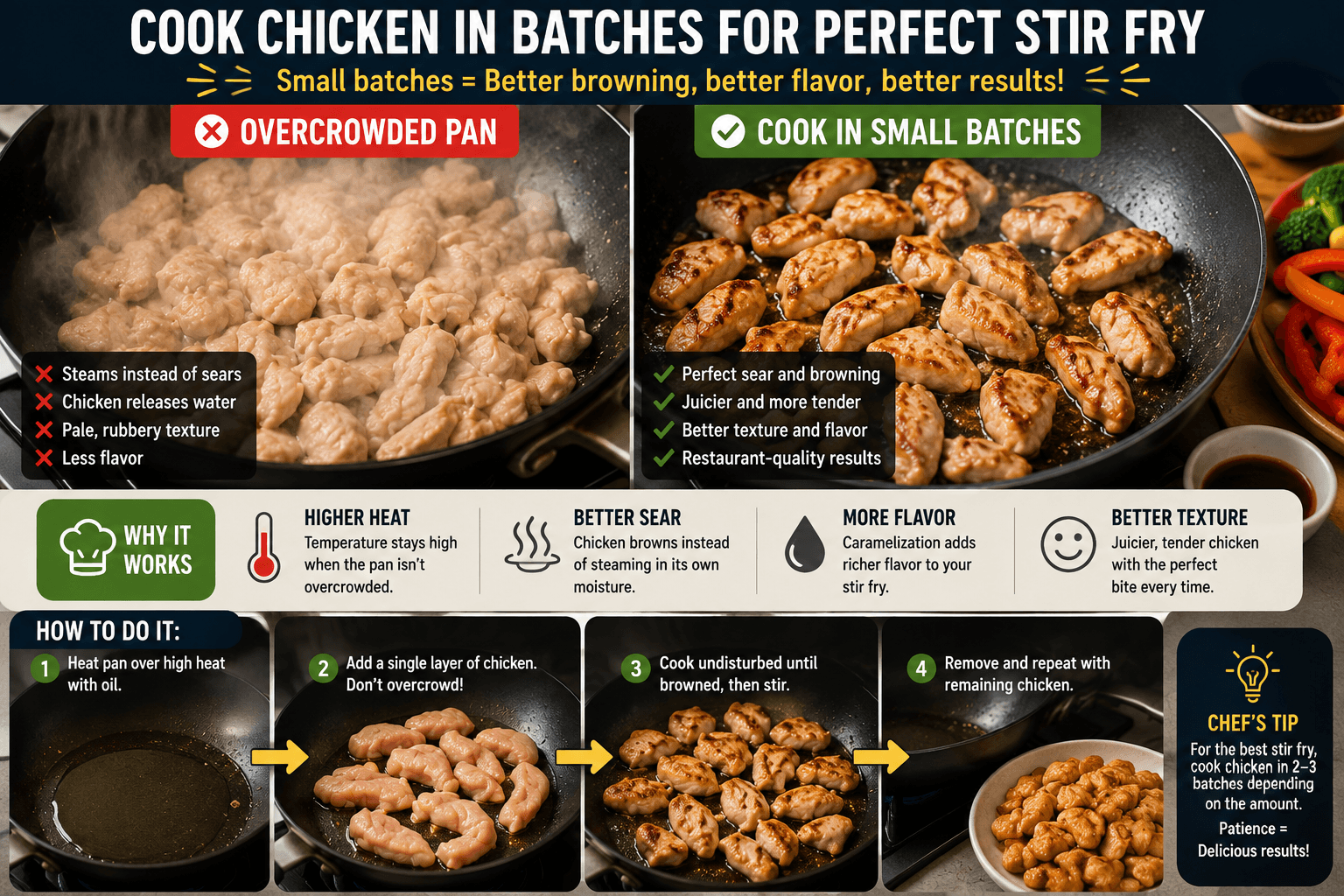
Adding too much chicken to a wok or skillet at once causes the meat to release moisture faster than it can evaporate. Instead of browning, the chicken begins to steam.
The result is pale, rubbery chicken with much less flavor.
Chef’s Secret: Cook chicken in batches whenever the pan looks crowded. High heat and enough space between the pieces create the golden color and flavorful sear found in great stir fries.
Can You Prepare Chicken Portions Ahead of Time?
Absolutely. Preparing chicken in advance is one of the easiest ways to simplify weeknight cooking.
After purchasing chicken, trim any excess fat, slice it evenly, and divide it into meal-sized portions before refrigerating or freezing.
This approach saves time because each package already contains the correct chicken per person stir fry amount needed for a single meal.
If you’re freezing the chicken, remove as much air as possible from freezer bags to reduce freezer burn. Label each package with the weight and freezing date for easy identification later.
Storage Tip: Fresh raw chicken can usually be refrigerated for 1–2 days before cooking. For longer storage, freeze it immediately. Frozen chicken maintains its best quality for several months when stored in airtight packaging.
When you’re ready to cook, thaw the chicken safely in the refrigerator instead of leaving it on the kitchen counter.
Our guide on How to Store Raw Chicken for Meal Prep explains safe storage practices in greater detail.
How to Stretch Chicken Further Without Sacrificing Flavor
If you’re feeding a large family or trying to stay within a grocery budget, you don’t necessarily need to buy more chicken. Instead, increase the volume of the stir fry by adding more vegetables and choosing ingredients with different textures.
Great additions include:
- Broccoli florets
- Cabbage
- Mushrooms
- Zucchini
- Bell peppers
- Snap peas
- Carrots
- Baby corn
- Water chestnuts
These vegetables absorb sauce beautifully while making every serving look larger and more colorful.
Benefits of Proper Portion Planning
- Reduces food waste
- Saves money
- Creates balanced meals
- Improves browning during cooking
- Makes meal prep easier
- Provides consistent serving sizes
Problems With Poor Portion Planning
- Buying more chicken than needed
- Crowded pans that steam instead of sear
- Uneven serving sizes
- Higher grocery bills
- Leftovers that may go to waste
- Meals that lack vegetable balance
Another simple strategy is slicing chicken slightly thinner. Thin, even slices spread throughout the stir fry, allowing every bite to include both chicken and vegetables without making the meal feel skimpy.
For additional inspiration, explore recipes like Chicken Broccoli Stir Fry, Chicken Zucchini Stir Fry, and Chicken Veggie Stir Fry, which demonstrate how vegetables naturally extend serving sizes while keeping meals satisfying.
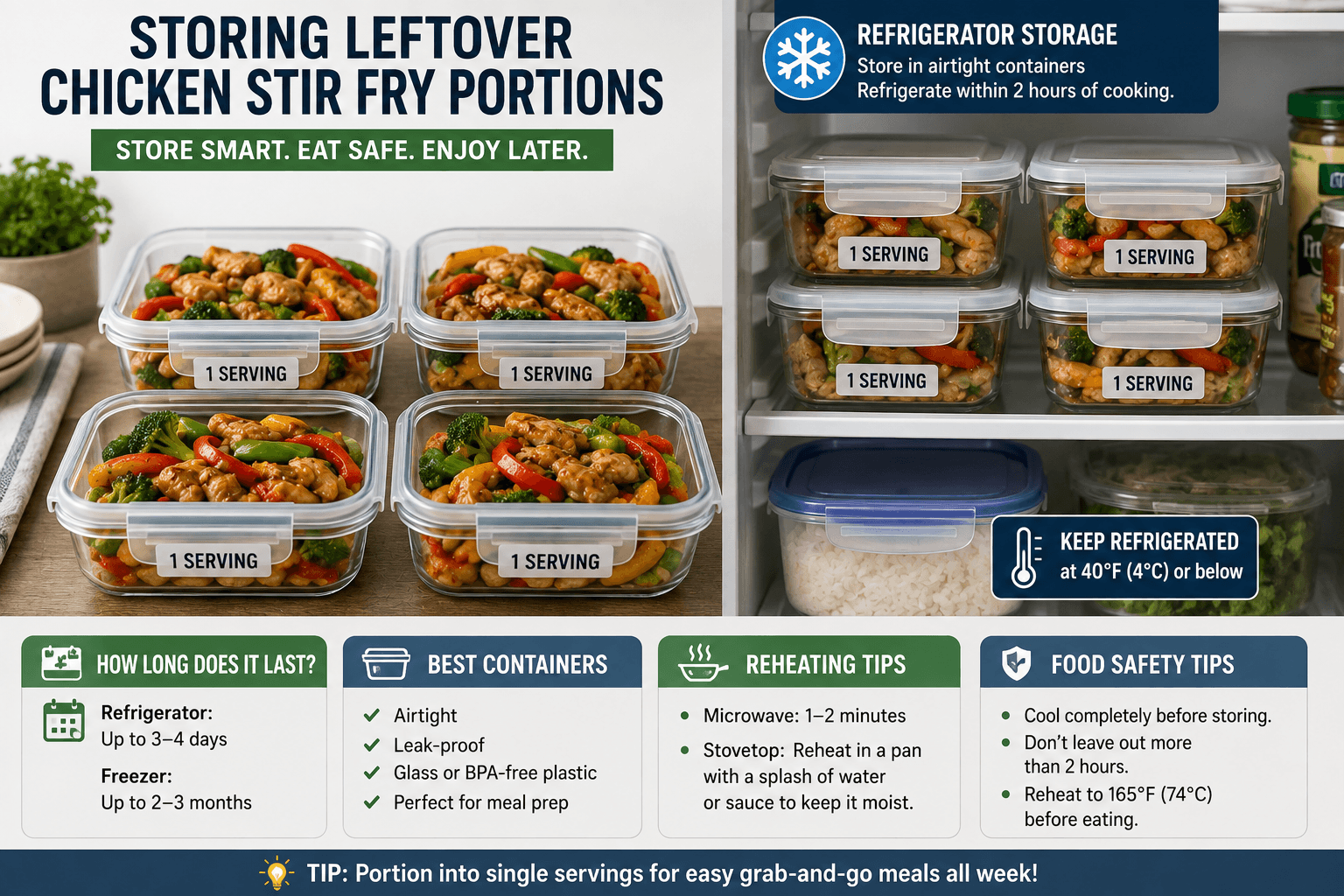
How to Store Leftover Chicken Stir Fry
Planning the right chicken per person stir fry amount helps reduce leftovers, but it’s still common to have extra food after dinner. Proper storage keeps leftovers safe to eat while preserving flavor and texture.
Allow the stir fry to cool slightly before transferring it into shallow, airtight containers. Refrigerating food quickly helps prevent bacterial growth and keeps the chicken moist.
Storage Guidelines:
- Refrigerate leftovers within 2 hours of cooking.
- Store in airtight containers.
- Use refrigerated leftovers within 3–4 days.
- Freeze portions for up to 3 months for the best quality.
- Label containers with the preparation date.
When reheating, warm only the portion you plan to eat. Repeated heating and cooling can reduce food quality and increase food safety risks.
A skillet is usually the best way to reheat stir fry because it restores some of the original texture. Add a tablespoon of water or broth if the sauce has thickened too much during storage.
Reheating Tip: Heat leftover stir fry just until the chicken reaches an internal temperature of 165°F (74°C). Overheating can make the chicken dry and chewy.
Quick Portion Planning Checklist
Before shopping for ingredients, use this simple checklist to estimate the correct amount of chicken.
| Question | Recommendation |
|---|---|
| How many adults are eating? | Plan 4–6 oz raw chicken per adult. |
| Serving rice or noodles? | 4–5 oz is usually enough. |
| Vegetable-heavy stir fry? | Use the lower end of the serving range. |
| High-protein meal? | Increase to 6–8 oz per person. |
| Cooking for children? | Reduce portions to approximately 2–3 oz. |
Keeping this checklist in mind makes grocery shopping faster and helps you prepare balanced meals without wasting ingredients.
Frequently Asked Questions
How much chicken per person for stir fry is enough for most adults?
Most adults need about 4–6 ounces of raw boneless chicken. This amount provides plenty of protein when paired with vegetables and rice or noodles.
Should I weigh chicken before or after cooking?
Always measure chicken before cooking. Raw weight is the standard used in recipes because chicken naturally loses moisture during cooking.
Can I use chicken thighs instead of chicken breast?
Yes. Boneless, skinless chicken thighs work very well in stir fry and generally remain juicier because of their slightly higher fat content. Portion sizes remain about the same.
How much chicken do I need for a family of four?
For four adults, plan on approximately 1–1½ pounds (16–24 ounces) of raw boneless chicken, depending on appetite and side dishes.
Can I freeze pre-portioned chicken?
Absolutely. Dividing chicken into meal-sized portions before freezing makes meal prep much easier and prevents thawing more chicken than you need.
Does adding more vegetables reduce the amount of chicken I need?
Yes. A stir fry filled with broccoli, cabbage, mushrooms, carrots, peppers, and other vegetables is naturally more filling, allowing you to use slightly less chicken while still serving satisfying meals.
References
Final Thoughts
Knowing the right chicken per person stir fry serving size makes every meal easier to plan. For most adults, 4–6 ounces of raw boneless chicken provides an ideal balance of protein, vegetables, and side dishes without creating unnecessary waste.
Remember that the perfect portion isn’t determined by chicken alone. Vegetables, rice, noodles, age, activity level, and appetite all influence how much you’ll need. By combining the recommended serving sizes with plenty of colorful vegetables and proper cooking techniques, you’ll consistently prepare flavorful, balanced stir fry meals for any number of people.
🍽️ You Might Also Like

📧 Save This Recipe For Later
Enter your email and we will send this recipe directly to your inbox.