
Best Internal Temperature for Chicken Stir Fry
Best Internal Temperature for Chicken Stir Fry
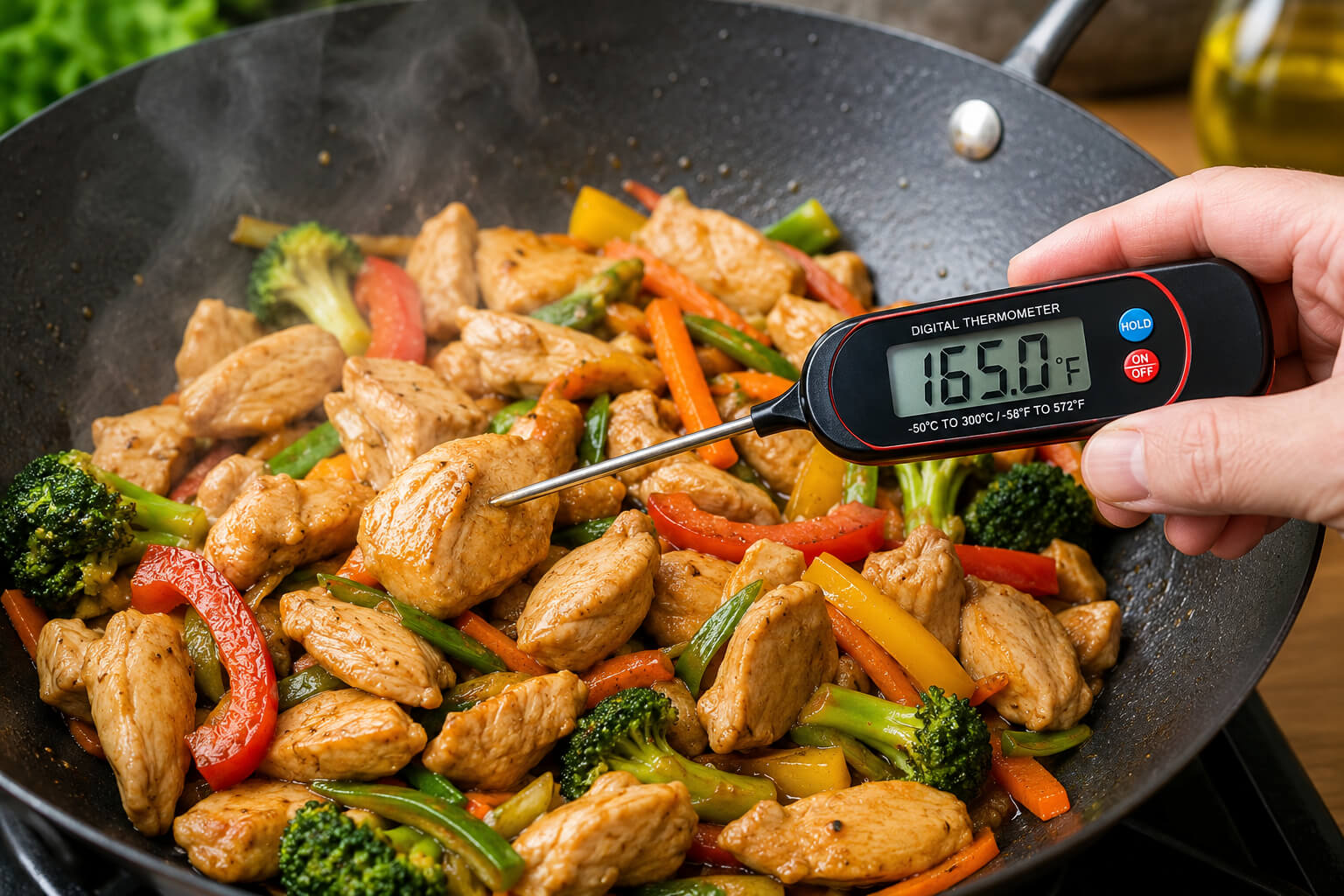
Cooking chicken to the correct temperature is one of the most important steps in making a safe, juicy, and flavorful stir fry. While it’s easy to judge doneness by color alone, appearance isn’t always a reliable indicator. The only dependable way to know your chicken is fully cooked is by checking its internal temperature with a food thermometer.
Whether you’re making a classic chicken stir fry, garlic chicken stir fry, or a vegetable-packed weeknight dinner, understanding the correct chicken stir fry temperature helps prevent dry, overcooked meat while ensuring harmful bacteria have been destroyed.
Many home cooks accidentally remove chicken from the pan too early because it looks done on the outside. Others continue cooking long after it reaches a safe temperature, resulting in dry, chewy pieces that ruin the entire dish. Learning the ideal cooking temperature helps you strike the perfect balance between food safety and tenderness.
In this guide, you’ll learn the USDA-recommended internal temperature for chicken stir fry, how to accurately measure it, common mistakes to avoid, and practical tips for consistently juicy results every time.
Quick Answer
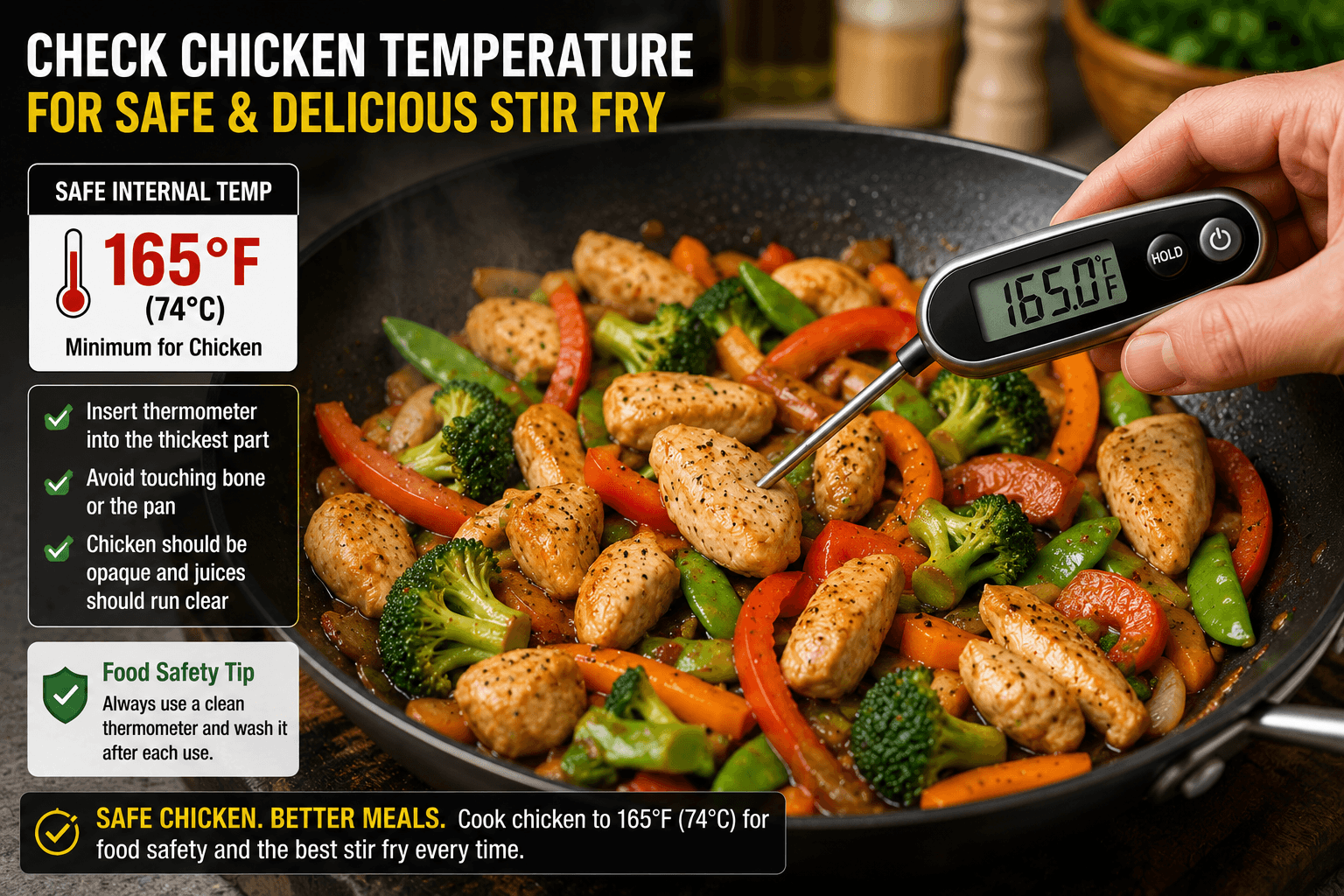
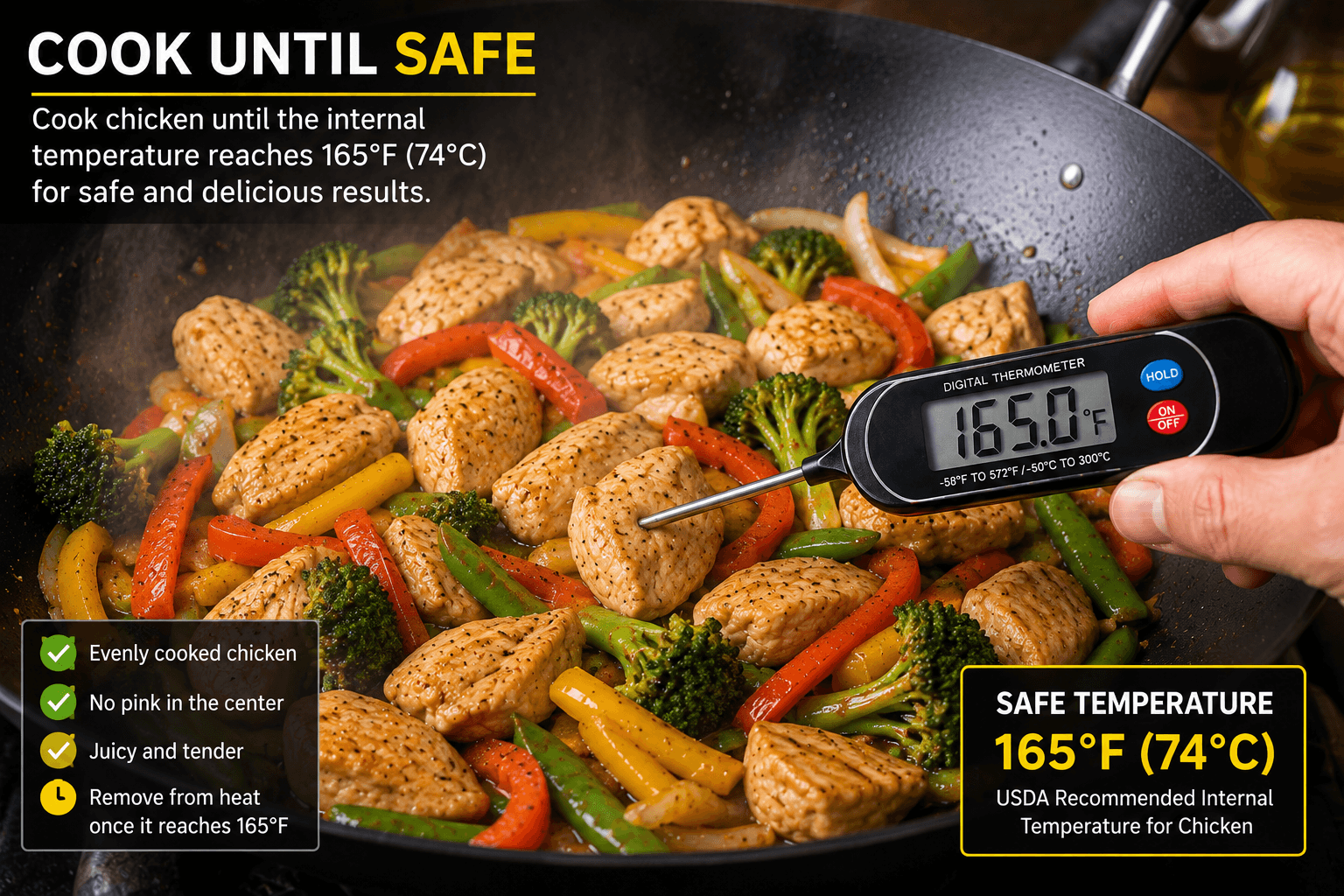
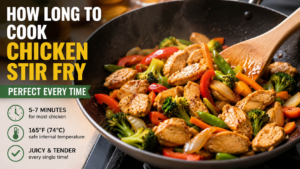
The best chicken stir fry temperature is an internal temperature of 165°F (74°C). According to USDA food safety guidelines, every piece of chicken should reach this temperature before serving. Use an instant-read meat thermometer inserted into the thickest piece of chicken to confirm doneness. Once the chicken stir fry temperature reaches 165°F, remove it from the heat promptly to keep the meat moist and tender.
Table of Contents
What Is the Safe Chicken Stir Fry Temperature?
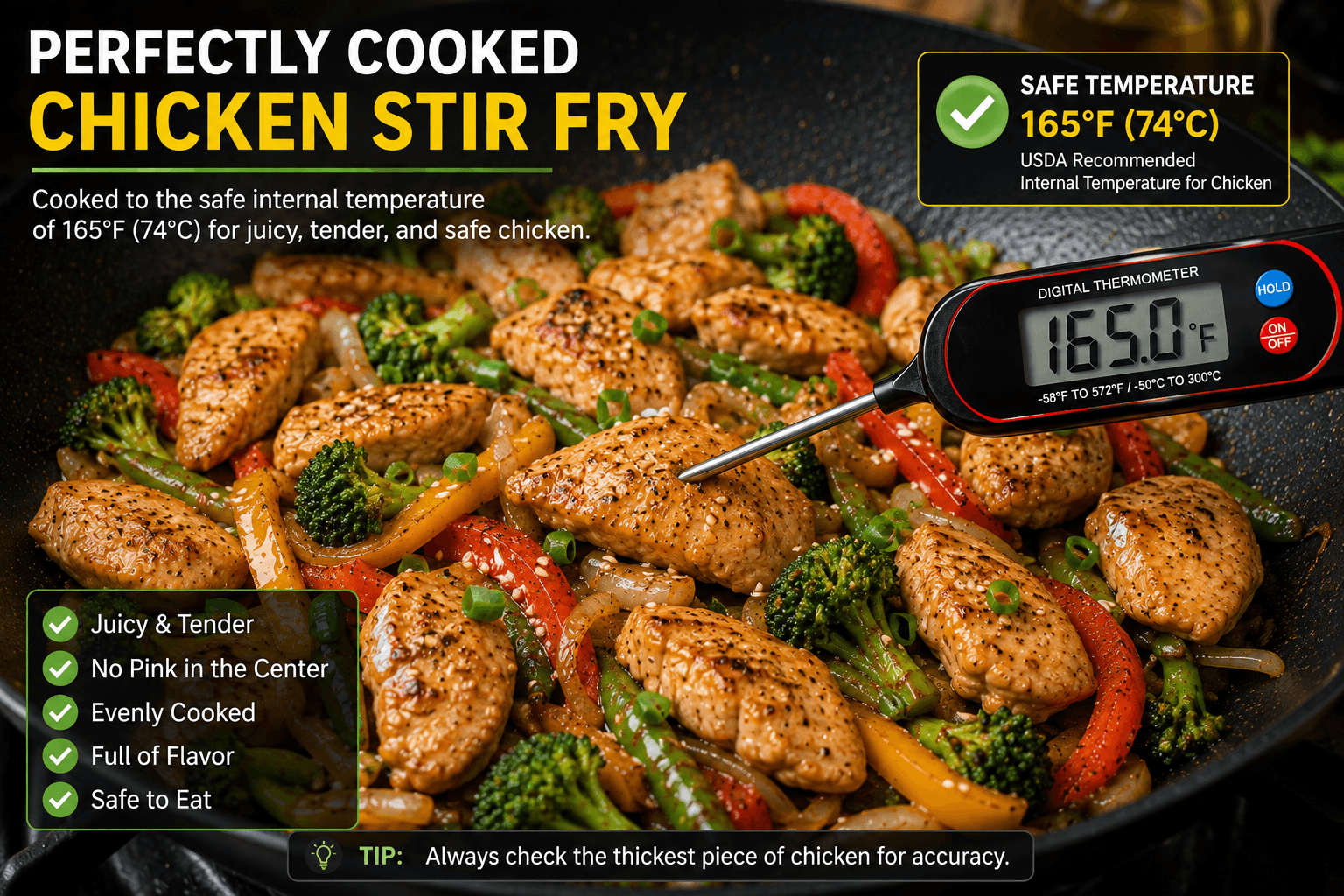
The recommended chicken stir fry temperature is 165°F (74°C). This temperature is recommended by the United States Department of Agriculture (USDA) because it destroys harmful bacteria such as Salmonella and Campylobacter, making chicken safe to eat.
Unlike steaks or some other meats that may be safely served at different levels of doneness, chicken should always reach 165°F. This applies whether you’re using chicken breast, chicken thighs, tenderloins, or frozen chicken that has been properly thawed.
| Chicken Temperature | Safety | Texture |
|---|---|---|
| Below 160°F | Unsafe | Undercooked |
| 160–164°F | Almost safe | Continue cooking briefly |
| 165°F | Safe | Juicy and tender |
| 170°F+ | Safe | Begins drying out |
| 180°F+ | Safe | Dry and chewy |
Tip: Remove the chicken from the pan shortly after it reaches 165°F. The residual heat continues cooking the meat for another minute or two, helping preserve moisture.
Why Internal Temperature Matters More Than Color
One of the biggest myths in home cooking is that chicken is fully cooked when it turns white. Unfortunately, that’s not always true. Lighting, marinades, sauces, and cooking methods can all affect the appearance of cooked chicken.
Some chicken may appear completely white before it has reached a safe chicken stir fry temperature. Other pieces may still have a slight pink tint near the center because of natural pigments or the cooking process, even after reaching 165°F.
That’s why food safety experts recommend relying on a thermometer rather than visual cues alone.
Benefits of Cooking to the Correct Temperature
- Prevents foodborne illness.
- Keeps chicken juicy instead of dry.
- Creates consistent cooking results every time.
- Improves texture and tenderness.
- Helps avoid unnecessary overcooking.
Once you begin checking the chicken stir fry temperature with a thermometer, you’ll quickly notice that perfectly cooked chicken is often removed from the heat sooner than many people expect.
Kitchen Secret: Professional chefs rarely rely on color or cooking time alone. Instead, they use an instant-read thermometer to verify the internal temperature before serving.
How to Measure Chicken Stir Fry Temperature Correctly
Because stir fry chicken is usually sliced into bite-sized pieces, checking the temperature can seem difficult. Fortunately, it’s easy with the right technique.
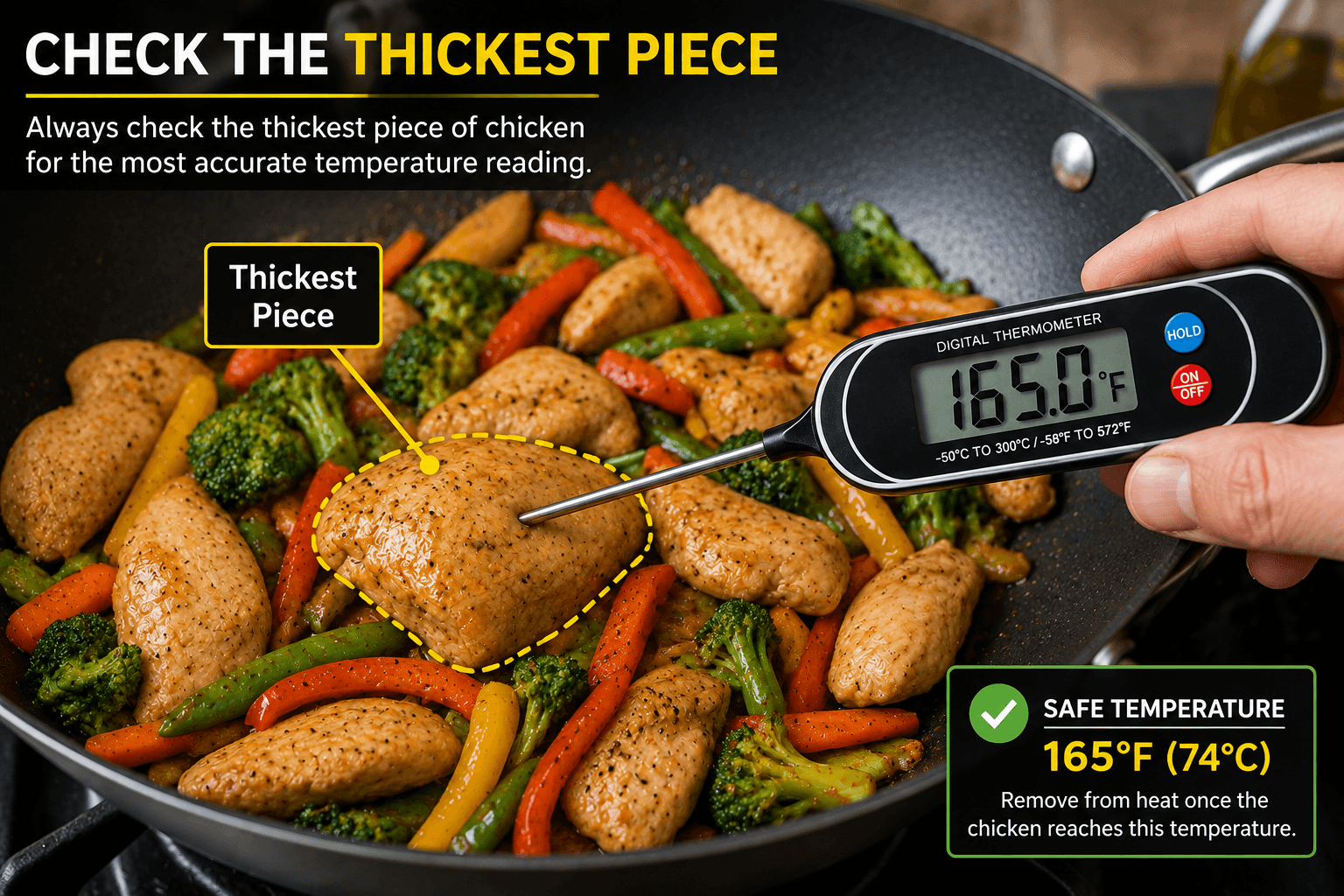
Step 1: Choose the Thickest Piece
Select the largest piece of chicken in the pan. Smaller pieces cook faster, so the thickest piece gives you the most accurate reading for the entire batch.
Step 2: Insert the Thermometer Correctly
Insert the probe into the center of the thickest portion without touching the pan. If the probe touches the hot skillet, the reading may be higher than the actual chicken stir fry temperature.
Step 3: Wait for a Stable Reading
Most digital instant-read thermometers provide an accurate reading within just a few seconds. Once the display reaches 165°F, your chicken is safe to eat.
Warning: Never guess whether chicken is cooked by cutting into every piece repeatedly. This releases valuable juices and can leave the chicken dry before it reaches the proper chicken stir fry temperature.
Using a digital thermometer takes only a few seconds but dramatically improves both food safety and cooking consistency. It’s one of the easiest upgrades you can make in your kitchen, especially if you prepare chicken stir fry regularly.
How Long Does It Take to Reach the Correct Chicken Stir Fry Temperature?
Cooking time depends on several factors, including the thickness of the chicken, the heat of your pan, and whether you’re using chicken breast or chicken thighs. Instead of relying on time alone, always use the chicken stir fry temperature as your final guide.
Most sliced chicken breast reaches a safe internal temperature surprisingly quickly because the pieces are thin. However, larger chunks or overcrowded pans may require additional cooking time. Stirring the chicken frequently helps it cook evenly and prevents burning.
| Chicken Cut | Typical Piece Size | Approximate Cooking Time* | Safe Internal Temperature |
|---|---|---|---|
| Chicken Breast | Thin strips | 5–7 minutes | 165°F (74°C) |
| Chicken Breast | Large cubes | 7–9 minutes | 165°F (74°C) |
| Chicken Thighs | Thin strips | 6–8 minutes | 165°F (74°C) |
| Chicken Thighs | Large cubes | 8–10 minutes | 165°F (74°C) |
*Cooking times are estimates only. Always verify the chicken stir fry temperature using an instant-read thermometer.
Factors That Affect Chicken Stir Fry Temperature
Not every batch of chicken cooks at the same speed. Understanding the variables that influence cooking helps you consistently reach the ideal chicken stir fry temperature without overcooking the meat.
1. Thickness of the Chicken
Thin slices cook much faster than thick chunks. For the most even results, slice all the chicken into similar-sized pieces before cooking. Uniform thickness ensures every piece reaches the proper chicken stir fry temperature at nearly the same time.
2. Pan Temperature
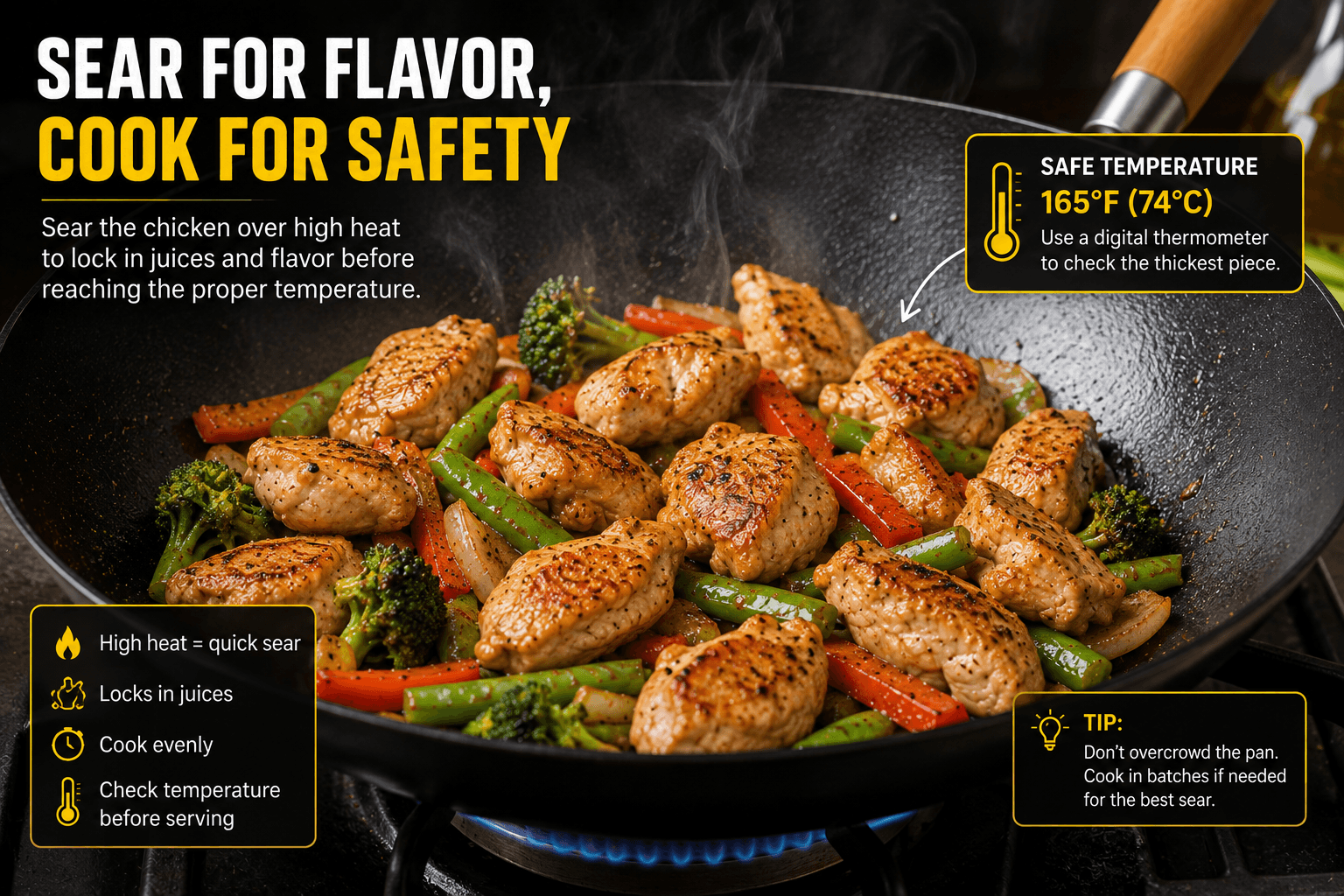
A properly preheated wok or skillet creates a quick sear that locks in moisture while cooking the chicken efficiently. If the pan isn’t hot enough, the chicken releases moisture and steams instead of browning, increasing cooking time.
3. Crowding the Pan
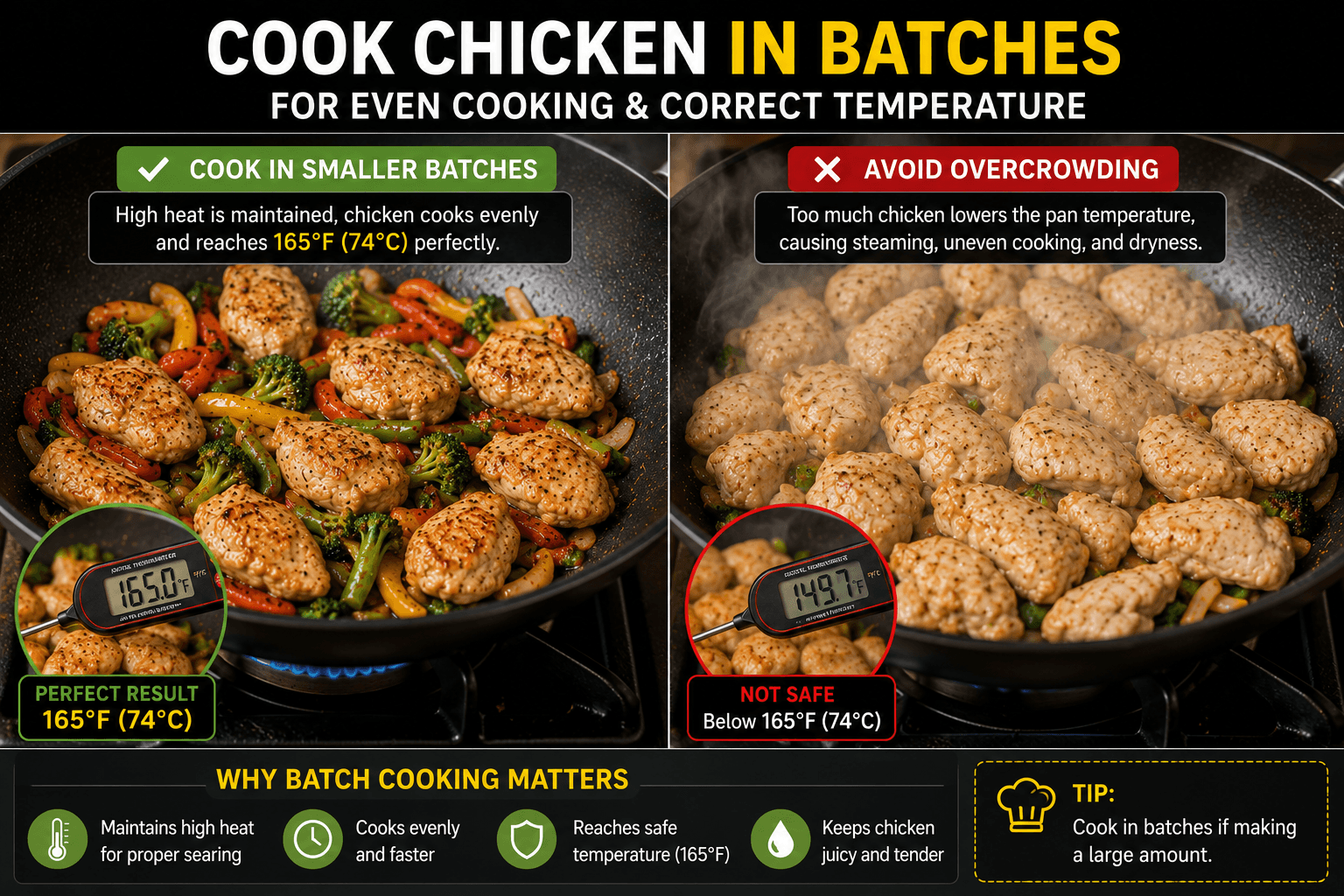
Adding too much chicken at once lowers the pan’s temperature. Instead of stir-frying, the chicken begins to boil in its own juices, making it harder to reach the correct chicken stir fry temperature evenly.
Tip: Cook chicken in batches if necessary. Giving each piece enough space allows it to brown properly while reaching a safe internal temperature more quickly.
4. Starting Temperature of the Chicken
Chicken taken directly from the refrigerator naturally requires a little longer to cook than chicken that has rested at room temperature for 15 to 20 minutes before cooking. Never leave raw chicken out for more than two hours, or one hour if the surrounding temperature exceeds 90°F.
5. Type of Chicken
Chicken thighs contain more fat than chicken breasts, making them more forgiving if cooked slightly beyond 165°F. Chicken breast, however, dries out much faster if the chicken stir fry temperature rises well above the recommended level.
Common Mistakes When Checking Chicken Stir Fry Temperature
Even experienced home cooks sometimes make small mistakes that lead to inaccurate temperature readings or dry chicken. Avoiding these common errors will help you prepare better stir fry every time.
Checking Only One Small Piece
The smallest pieces cook first. Always check the thickest piece because it takes the longest to reach the proper chicken stir fry temperature.
Touching the Pan with the Thermometer
If the thermometer probe touches the hot skillet or wok, the reading can be much higher than the actual temperature of the chicken.
Removing the Chicken Too Early
Chicken that measures only 155°F or 160°F still needs additional cooking. Waiting until it reaches 165°F ensures it is safe to eat.
Continuing to Cook Well Beyond 165°F
Some cooks leave chicken in the pan until every piece is heavily browned. While the chicken remains safe, the texture becomes noticeably drier. Once the proper chicken stir fry temperature is reached, remove the chicken from direct heat.
Warning: Never rely solely on cooking time, juices running clear, or the color of the meat. These signs are less reliable than measuring the actual internal temperature.
Mastering these simple habits makes a significant difference in both food safety and the quality of your finished stir fry.
Expert Tips for Perfect Chicken Stir Fry Temperature Every Time
Reaching the ideal chicken stir fry temperature isn’t just about food safety—it also helps create chicken that’s tender, juicy, and full of flavor. Professional chefs use several simple techniques to ensure chicken cooks evenly without drying out.
1. Slice Chicken Evenly
Uniform pieces cook at the same rate. If some pieces are much thicker than others, the smaller pieces may overcook before the thickest ones reach the proper chicken stir fry temperature.
For most stir fry recipes, slice chicken breast or thighs into strips about ¼ inch thick. This size cooks quickly while remaining juicy.
Chef’s Secret: Slice chicken slightly against the grain. This shortens the muscle fibers and produces noticeably more tender bites after cooking.
2. Preheat the Pan Before Adding Chicken
A hot wok or skillet helps the outside of the chicken brown quickly while the inside cooks to the recommended chicken stir fry temperature. Starting with a cold pan causes the chicken to release moisture, making it steam instead of sear.
Heat the pan first, then add oil, and finally add the chicken in a single layer.
3. Avoid Constant Stirring
Many people believe stir fry requires constant movement. In reality, allowing the chicken to cook undisturbed for 30 to 60 seconds at a time creates better browning while still allowing the center to reach the correct chicken stir fry temperature.
4. Use an Instant-Read Thermometer
An instant-read digital thermometer removes the guesswork from cooking. Insert the probe into the thickest piece of chicken after several minutes of cooking. Once the display reads 165°F (74°C), you’ve reached the safe chicken stir fry temperature.
Checking the temperature takes only a few seconds and dramatically improves consistency from one meal to the next.
5. Let the Chicken Rest Briefly
After removing the chicken from the heat, allow it to rest for one or two minutes before mixing it back with vegetables and sauce. During this short rest, the juices redistribute throughout the meat, helping keep every bite moist.
Tip: If you’re preparing sauce separately, cook the chicken first, let it rest briefly, then return it to the pan only long enough to coat it with the sauce.
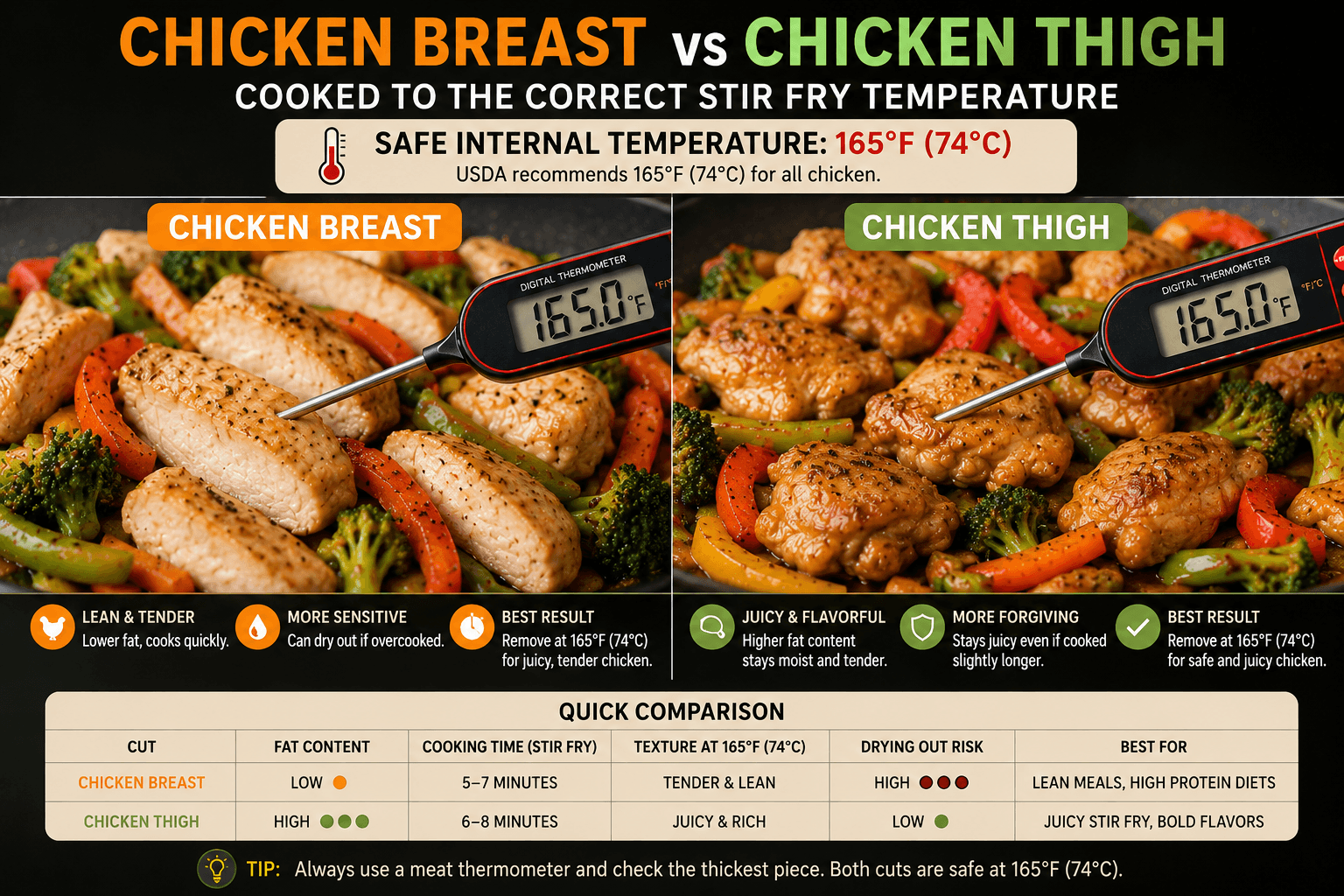
Does Chicken Breast and Chicken Thigh Need the Same Temperature?
Yes. Regardless of which cut you use, the recommended chicken stir fry temperature remains 165°F (74°C).
However, the two cuts behave differently once they reach that temperature.
| Feature | Chicken Breast | Chicken Thigh |
|---|---|---|
| Safe Internal Temperature | 165°F (74°C) | 165°F (74°C) |
| Fat Content | Lower | Higher |
| Moisture Retention | Moderate | Excellent |
| Risk of Drying Out | High | Low |
| Best For | Lean meals | Extra juicy stir fry |
Chicken breast becomes dry relatively quickly if cooked beyond the recommended chicken stir fry temperature. Chicken thighs, thanks to their higher fat content, stay juicy even if they cook a few degrees higher.
Food Safety Tips for Chicken Stir Fry
Maintaining the correct chicken stir fry temperature is only one part of safe food preparation. Good kitchen hygiene also helps reduce the risk of foodborne illness.
- Wash your hands thoroughly before and after handling raw chicken.
- Use separate cutting boards for raw meat and vegetables.
- Clean knives, utensils, and countertops after preparing raw chicken.
- Refrigerate raw chicken promptly if it won’t be cooked immediately.
- Never leave cooked chicken at room temperature for more than two hours.
- Always verify the internal chicken stir fry temperature before serving.
Warning: Never place cooked chicken back onto the same plate that previously held raw chicken unless it has been washed with hot, soapy water.
Internal Linking Opportunities
If you’d like to learn more about cooking juicy, flavorful chicken, these SmartKitchenHome guides may also help:
- How to Tell Chicken Is Cooked for Stir Fry
- How Long to Cook Chicken Stir Fry
- How to Prevent Dry Chicken Stir Fry
- How to Velvet Chicken for Stir Fry
- Common Chicken Stir Fry Mistakes
How to Keep Chicken Juicy While Reaching the Correct Chicken Stir Fry Temperature
Many home cooks worry that cooking chicken to a safe chicken stir fry temperature will automatically make it dry. Fortunately, that’s not true. Dry chicken usually results from overcooking rather than simply reaching 165°F (74°C).
By using the right preparation and cooking techniques, you can safely reach the recommended chicken stir fry temperature while keeping every piece tender and juicy.
Marinate the Chicken
A simple marinade made with soy sauce, cornstarch, oil, and seasonings helps protect the chicken from drying out during high-heat cooking. Cornstarch creates a light coating that locks in moisture while promoting a silky texture.
This technique is commonly known as velveting and is widely used in Chinese cooking. It allows chicken to reach the proper chicken stir fry temperature without becoming tough.
Kitchen Secret: Marinating chicken for just 20 to 30 minutes before cooking can noticeably improve texture, even if you’re short on time.
Cook Over High Heat
High heat cooks the outside of the chicken quickly while allowing the center to reach the ideal chicken stir fry temperature. A properly heated wok creates a light sear that enhances both flavor and texture.
If the pan isn’t hot enough, the chicken releases liquid and begins steaming instead of browning. This often increases cooking time and can lead to rubbery meat.
Don’t Overcrowd the Pan
Cooking too much chicken at once lowers the pan’s temperature. The pieces release moisture faster than it can evaporate, preventing proper browning and slowing the cooking process.
If you’re making a large batch, cook the chicken in two smaller batches. This helps every piece reach the correct chicken stir fry temperature more evenly.
How to Check Chicken Stir Fry Temperature Without Overcooking
One concern many cooks have is that repeatedly checking the temperature can release juices from the meat. Fortunately, using a digital instant-read thermometer correctly minimizes moisture loss.
- Wait until the chicken is nearly finished cooking.
- Select the thickest piece in the pan.
- Insert the thermometer into the center.
- Avoid touching the pan with the probe.
- Remove the chicken once it reaches 165°F (74°C).
Following these simple steps ensures you achieve the correct chicken stir fry temperature without unnecessarily extending the cooking time.
Tip: If several of the thickest pieces measure between 165°F and 167°F, the rest of the batch is usually ready as well.
Storing Leftover Chicken Stir Fry Safely
Allow cooked chicken stir fry to cool for no longer than two hours before transferring it to an airtight container. Refrigerate promptly and consume within 3 to 4 days.
For longer storage, freeze leftovers for up to three months. Reheat until the internal temperature reaches 165°F (74°C) before serving.
Proper storage helps maintain food quality while preventing bacterial growth after your chicken has already reached the recommended chicken stir fry temperature.
Final Thoughts
Learning the correct chicken stir fry temperature is one of the simplest ways to improve both food safety and cooking results. Instead of relying on cooking time or the color of the meat, use an instant-read thermometer to verify that every piece reaches 165°F (74°C).
This small habit eliminates guesswork, prevents undercooked chicken, and helps you avoid drying out lean cuts like chicken breast. Combined with proper slicing, high-heat cooking, and avoiding overcrowding, monitoring the chicken stir fry temperature will help you produce consistently juicy, flavorful stir fry every time.
Whether you’re making a quick weeknight dinner or preparing meal prep for the week ahead, following these best practices ensures your chicken stir fry is both delicious and safe to enjoy.
Frequently Asked Questions
What is the safe chicken stir fry temperature?
The safe chicken stir fry temperature is 165°F (74°C). Use a digital food thermometer to check the thickest piece before serving.
Can chicken stir fry still be pink at 165°F?
Yes. Some chicken may retain a slight pink color because of natural pigments or the cooking method. The internal temperature is a more reliable indicator than color.
Is it safe to eat chicken at 160°F?
No. The USDA recommends cooking chicken until it reaches an internal temperature of 165°F (74°C).
Do chicken thighs need a different temperature than chicken breast?
No. Both chicken breasts and chicken thighs should reach the same safe chicken stir fry temperature of 165°F (74°C).
Should I use a meat thermometer for stir fry?
Yes. An instant-read thermometer is the most accurate way to confirm that your chicken has reached a safe internal temperature without overcooking it.
References
🍽️ You Might Also Like

📧 Save This Recipe For Later
Enter your email and we will send this recipe directly to your inbox.