
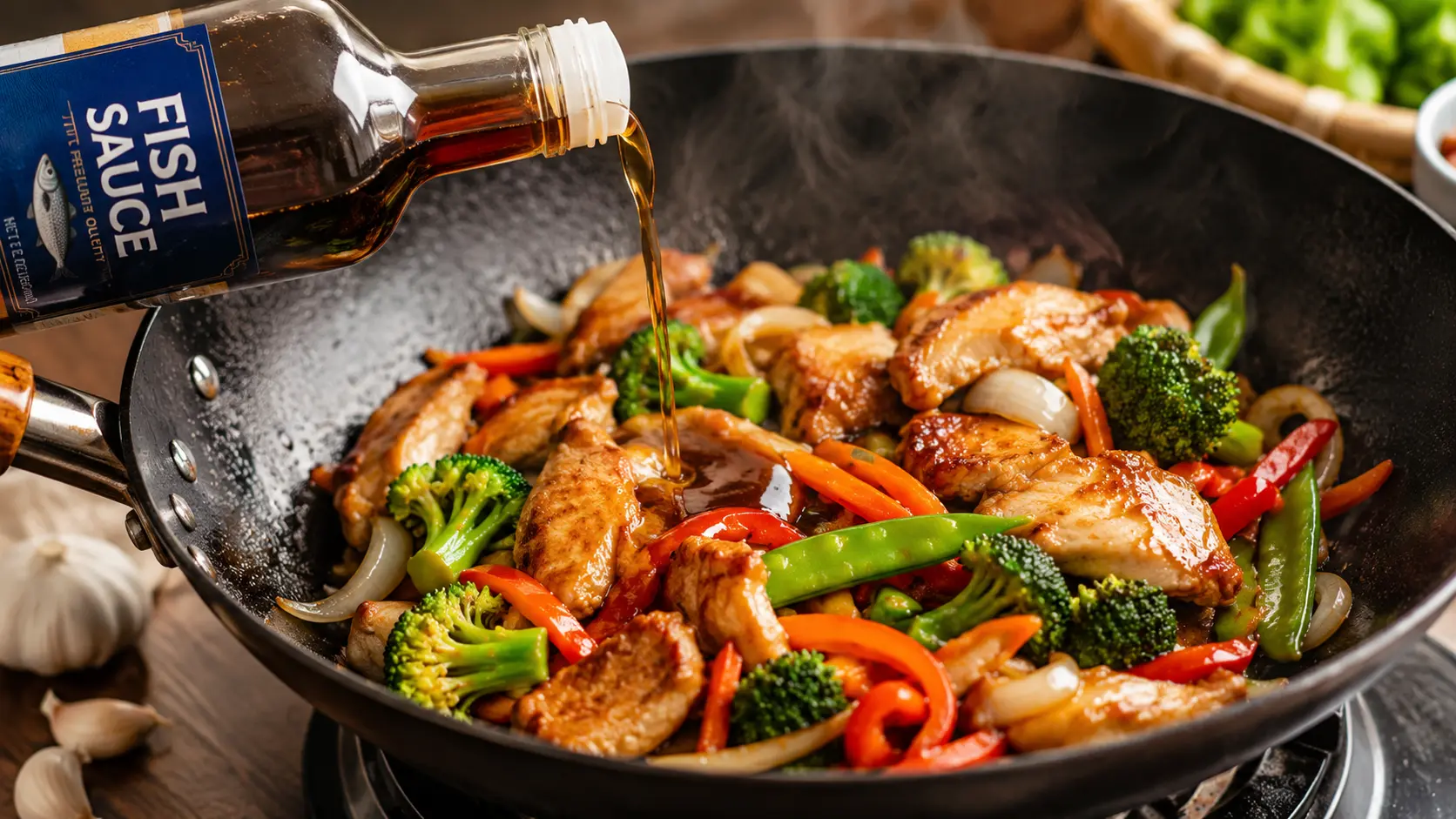
Fish Sauce in Stir Fry: When and How to Use It
Fish Sauce in Stir Fry: When and How to Use It
Fish sauce is one of the simplest ingredients you can add to make a homemade stir fry taste more complex and restaurant-quality. While soy sauce often gets the spotlight, many experienced cooks rely on fish sauce to add deep umami, balanced saltiness, and a subtle savory richness that enhances chicken, beef, shrimp, tofu, and vegetables without making the dish taste fishy.
If you’ve ever wondered whether fish sauce stir fry recipes are worth trying, the answer is yes—when it’s used correctly. The key isn’t adding more fish sauce than soy sauce. Instead, it’s knowing when to add it, how much to use, and which ingredients pair best with its bold flavor.
In this guide, you’ll learn exactly how to use fish sauce in stir fry, common mistakes to avoid, the best ingredient combinations, and practical tips for creating a balanced sauce. Whether you’re making a quick weeknight dinner or experimenting with homemade sauces, this guide will help you use fish sauce with confidence.
Quick Answer
Fish sauce stir fry works best when fish sauce is used in small amounts to enhance umami rather than overpower the dish. Mix it with soy sauce, aromatics, a touch of sweetness, and an acid such as rice vinegar or lime juice. Add it to your stir fry sauce before cooking or stir it in during the final minute of cooking to preserve its rich savory flavor.
- Use about 1–2 teaspoons for most family-sized stir fries.
- Combine it with soy sauce instead of replacing soy sauce completely.
- Add sweetness to balance the saltiness.
- Avoid cooking it over high heat for long periods.
- Taste before adding extra salt.
Table of Contents
What Is Fish Sauce?
Fish sauce is a traditional Southeast Asian seasoning made by fermenting fish with salt over an extended period. During fermentation, natural enzymes break down proteins into amino acids, creating the deep savory taste known as umami. The finished sauce is thin, amber-colored, and intensely flavorful.
Although the aroma can seem strong straight from the bottle, it becomes much milder once combined with other ingredients. When properly balanced, fish sauce adds depth instead of an obvious fish flavor, making it a valuable ingredient in many stir fry sauces.
Tip: Think of fish sauce as a flavor enhancer rather than the main seasoning. A small amount can dramatically improve the overall taste without dominating the dish.
Why Use Fish Sauce in Stir Fry?
The biggest advantage of using fish sauce stir fry techniques is the additional layer of umami they provide. While soy sauce contributes saltiness and color, fish sauce delivers complexity that makes homemade stir fry taste closer to what you might enjoy at a quality Asian restaurant.
Fish sauce also complements garlic, ginger, onions, sesame oil, brown sugar, honey, lime juice, rice vinegar, and chili paste. These ingredients work together to create a balanced sauce with salty, sweet, sour, and savory notes.
| Benefit | How It Improves Stir Fry |
|---|---|
| Umami | Adds deep savory flavor |
| Saltiness | Enhances seasoning without extra table salt |
| Complexity | Creates restaurant-style flavor |
| Balance | Works well with sweet and acidic ingredients |
| Versatility | Pairs with chicken, beef, shrimp, tofu, and vegetables |
If you already enjoy recipes like Chicken Stir Fry or Garlic Chicken Stir Fry, adding a small amount of fish sauce can deepen the overall flavor without changing the recipe dramatically.
Best Ingredients That Pair with Fish Sauce
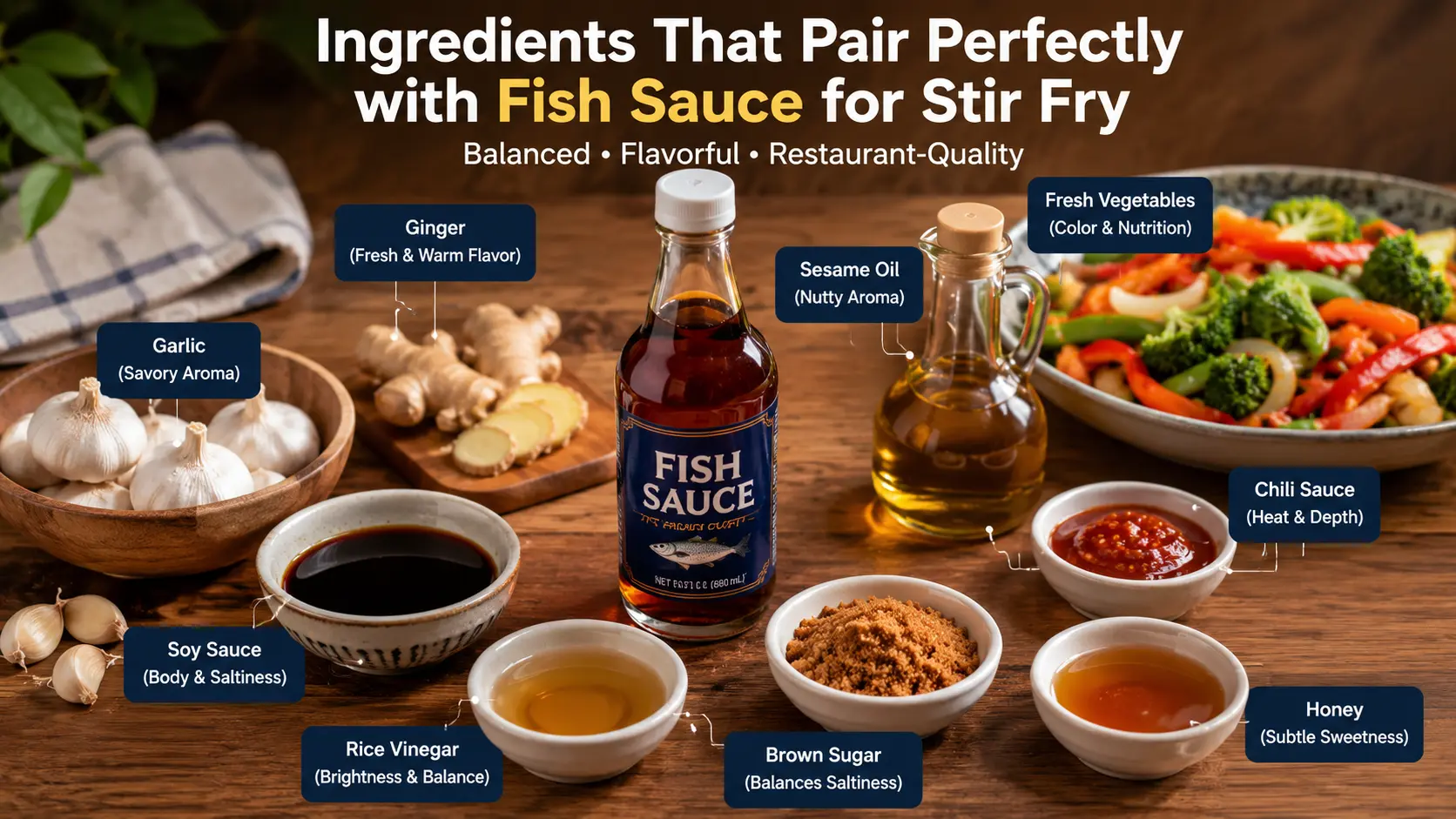
The secret to making an excellent fish sauce stir fry isn’t using fish sauce by itself. Instead, it’s combining it with ingredients that balance its naturally salty, savory flavor. When these ingredients work together, the finished stir fry tastes rich, well-rounded, and flavorful instead of overly salty or overpowering.
Professional cooks rarely rely on a single sauce. Most restaurant-style stir fry sauces contain several ingredients that each contribute something unique. Fish sauce provides umami, soy sauce adds body and color, sugar balances saltiness, and acids like rice vinegar brighten the overall flavor.
Soy Sauce
Soy sauce is the ingredient most often paired with fish sauce. While both are salty, they contribute different flavors. Soy sauce adds a mellow, slightly sweet, fermented taste, whereas fish sauce delivers concentrated umami. Using both creates more depth than either ingredient alone.
For most homemade stir fries, soy sauce should remain the primary seasoning, while fish sauce acts as a supporting ingredient. This combination prevents either flavor from becoming overwhelming.
Garlic and Ginger
Fresh garlic and ginger naturally complement fish sauce. Garlic provides savory richness, while ginger adds freshness and a gentle spicy note that helps balance the fermented flavor.
This combination works particularly well in chicken, shrimp, and vegetable stir fries.
Brown Sugar or Honey
A small amount of sweetness is essential in many fish sauce stir fry recipes. Brown sugar or honey softens the salty edge of fish sauce and helps create the glossy finish commonly found in restaurant-style sauces.
Kitchen Secret: You don’t need much sweetness. Even one teaspoon of brown sugar or honey can make the entire sauce taste smoother and more balanced.
Rice Vinegar or Lime Juice
Acidity brightens the sauce and prevents it from tasting too rich. Rice vinegar provides a mild tang, while fresh lime juice adds freshness that works especially well with seafood and chicken stir fries.
If you don’t have rice vinegar available, check out our guide to Best Rice Vinegar Substitutes for Stir Fry for suitable alternatives.
Sesame Oil
Sesame oil adds a nutty aroma that complements fish sauce beautifully. Because toasted sesame oil has a strong flavor, it’s usually added near the end of cooking rather than at the beginning.
Chili Sauce or Red Pepper Flakes
Spicy ingredients pair exceptionally well with fish sauce because heat helps balance its savory richness. Chili garlic sauce, sriracha, sambal oelek, or crushed red pepper flakes can all be used depending on your preferred spice level.
If you enjoy bold flavors, our Spicy Chicken Stir Fry is another great recipe where fish sauce can be incorporated naturally.
| Ingredient | Purpose in Stir Fry | Works Well With |
|---|---|---|
| Fish Sauce | Umami and saltiness | Chicken, shrimp, beef, tofu |
| Soy Sauce | Body and balanced seasoning | Almost every stir fry |
| Brown Sugar | Balances salty flavors | Chicken and pork |
| Rice Vinegar | Adds brightness | Vegetables and seafood |
| Garlic | Savory aroma | All proteins |
| Fresh Ginger | Fresh, warm flavor | Chicken, shrimp, vegetables |
| Sesame Oil | Nutty finish | Chicken and beef |
Learning how each ingredient contributes to the overall flavor makes it much easier to build a balanced fish sauce stir fry. Instead of relying on a single seasoning, you’ll create layers of flavor that taste fresher, richer, and more satisfying.
For more ideas on balancing salty, sweet, sour, and umami flavors, read our complete guide on How to Balance Sweet, Salty, Sour and Umami in Stir Fry Sauce.
How to Use Fish Sauce Correctly in Stir Fry
Knowing when and how to add fish sauce is just as important as choosing the right ingredients. Many people assume they can simply pour fish sauce into a hot wok, but that often leads to an overly salty dish and a loss of the subtle flavors that make fish sauce stir fry so delicious.
The best approach is to use fish sauce as part of a balanced stir fry sauce rather than as a standalone seasoning. This allows every ingredient to work together, creating a savory, slightly sweet, and well-rounded flavor.
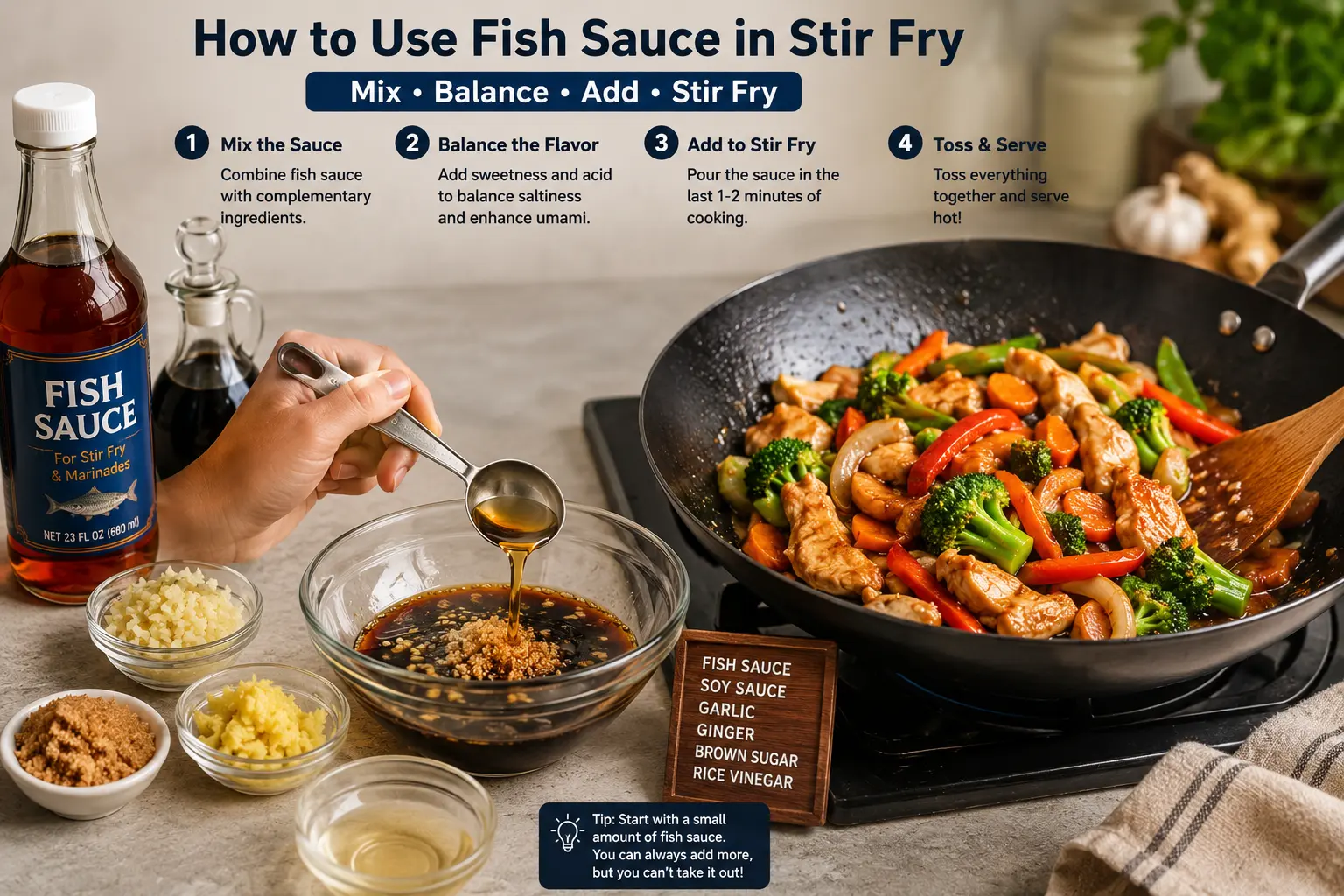
Mix the Sauce Before Cooking
One of the easiest ways to improve your fish sauce stir fry is to prepare the sauce before turning on the stove. Combining all of the liquid ingredients ahead of time ensures the flavors are evenly distributed and prevents over-seasoning while cooking.
A typical stir fry sauce may include:
- Fish sauce
- Soy sauce
- Brown sugar or honey
- Rice vinegar or lime juice
- Minced garlic
- Fresh ginger
- A small amount of cornstarch if a thicker sauce is desired
Having the sauce ready also makes stir frying easier because the cooking process moves quickly once the ingredients hit the hot wok.
Tip: Taste your sauce before cooking. If it already tastes too salty, adjust it with a little more sweetener or acid instead of adding extra soy sauce.
Add Fish Sauce Near the End of Cooking
Although fish sauce can withstand heat, prolonged cooking reduces some of its delicate aroma and complexity. For the best flavor, add your prepared sauce during the final minute or two of cooking after the protein and vegetables are nearly done.
This allows the sauce to coat every ingredient while preserving the rich umami flavor that makes fish sauce stir fry stand out.
Start with a Small Amount
Fish sauce is highly concentrated, so a little goes a long way. It’s much easier to add more than it is to fix an overly salty stir fry.
| Serving Size | Recommended Fish Sauce |
|---|---|
| 2 servings | 1 teaspoon |
| 4 servings | 1–2 teaspoons |
| 6 servings | 2–3 teaspoons |
| Large family meal | Up to 1 tablespoon if balanced with other ingredients |
If you’re trying fish sauce for the first time, begin with the lower amount. After tasting the finished dish, you can decide whether a slightly stronger umami flavor is needed next time.
Match Fish Sauce with the Right Ingredients
Fish sauce works well with many common stir fry ingredients because it enhances natural savory flavors without overpowering them.
- Chicken breast and chicken thighs
- Shrimp and other seafood
- Thinly sliced beef
- Ground pork
- Firm tofu
- Broccoli
- Bell peppers
- Snap peas
- Carrots
- Mushrooms
These ingredients absorb the sauce well while maintaining their own individual flavors.
For example, adding a small amount of fish sauce to our Chicken Broccoli Stir Fry creates a richer, more savory sauce without changing the recipe’s overall character.
Kitchen Secret: Restaurant stir fries often taste more flavorful not because they contain more sauce, but because they use several complementary seasonings in the right proportions. Fish sauce is frequently one of those hidden ingredients.
Once you become comfortable using fish sauce stir fry techniques, you’ll find it’s easy to customize recipes based on your family’s preferences. A few small adjustments can transform an ordinary homemade sauce into one with noticeably deeper flavor.
Common Mistakes When Using Fish Sauce in Stir Fry
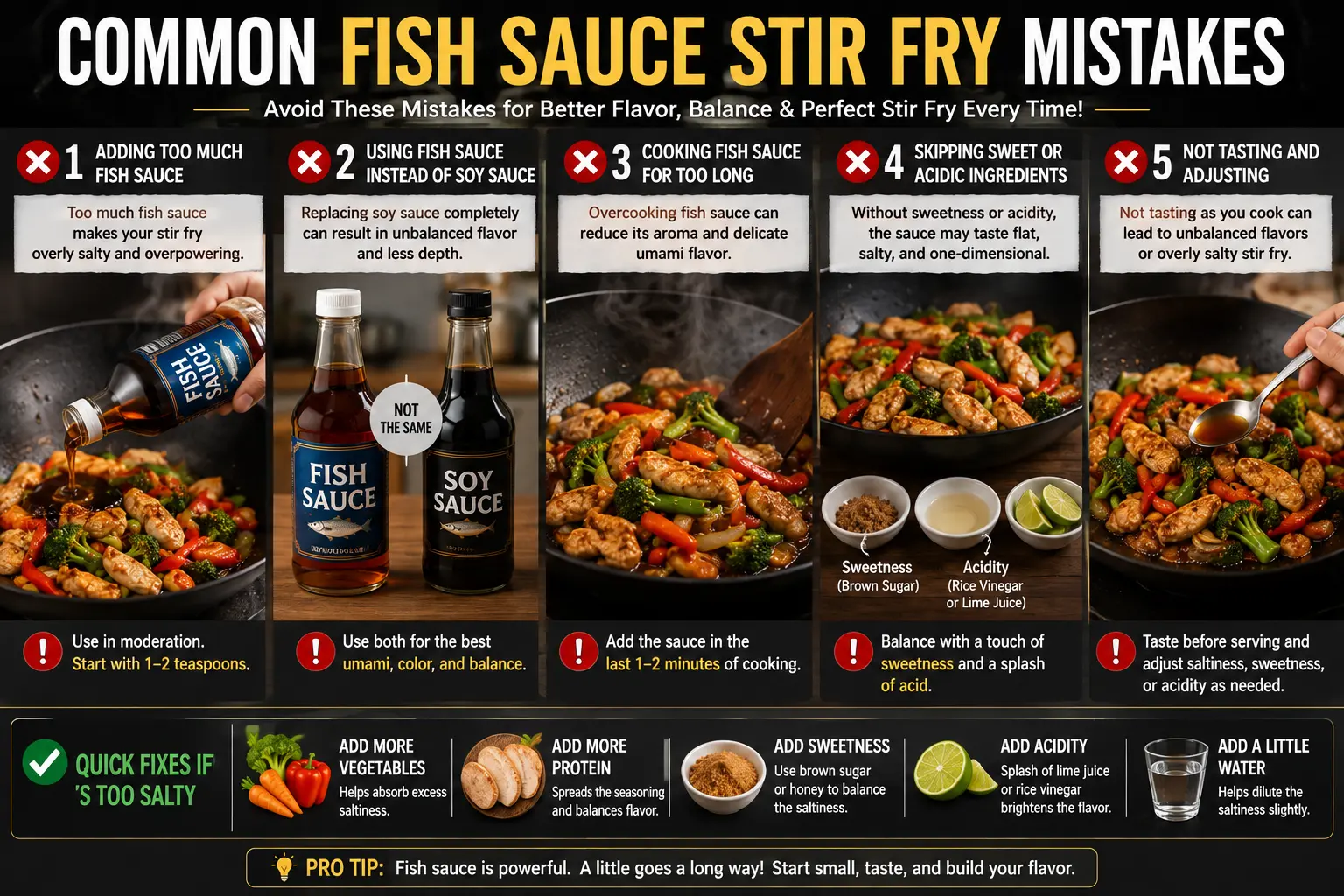
Even though fish sauce is simple to use, a few common mistakes can prevent your fish sauce stir fry from reaching its full potential. Understanding these pitfalls will help you create a balanced, flavorful dish every time.
Adding Too Much Fish Sauce
The most common mistake is assuming that more fish sauce equals more flavor. Because fish sauce is naturally concentrated, using too much can make a stir fry taste overwhelmingly salty and mask the freshness of the vegetables and protein.
Instead, think of fish sauce as a seasoning rather than the main sauce. A small amount should enhance the dish, not dominate it.
Warning: If your stir fry tastes overly salty after adding fish sauce, avoid adding more soy sauce. Instead, balance the flavor with a small amount of brown sugar, honey, lime juice, or additional vegetables.
Using Fish Sauce Instead of Soy Sauce
Some people completely replace soy sauce with fish sauce, but that often creates an unbalanced result. Soy sauce contributes color, body, and a mellow fermented flavor, while fish sauce provides concentrated umami.
For the best fish sauce stir fry, use both ingredients together. Their flavors complement each other far better than either one used alone.
Cooking Fish Sauce for Too Long
Fish sauce can handle heat, but extended cooking reduces its aromatic qualities. Adding it too early in the cooking process may leave the finished dish tasting flatter than expected.
For the richest flavor, stir your prepared sauce into the wok after the vegetables are nearly tender and the protein is fully cooked.
Skipping Sweet or Acidic Ingredients
Fish sauce is naturally salty and savory. Without sweetness or acidity, the finished stir fry may taste heavy and one-dimensional.
Adding ingredients like brown sugar, honey, rice vinegar, or fresh lime juice creates balance and makes every bite taste fresher.
Our guide on balancing sweet, salty, sour, and umami in stir fry sauce explains how these flavors work together to produce restaurant-quality results.
| Mistake | Result | Better Approach |
|---|---|---|
| Using too much fish sauce | Overly salty flavor | Start with 1–2 teaspoons |
| Replacing soy sauce completely | Unbalanced taste | Use both sauces together |
| Cooking fish sauce too long | Reduced aroma and depth | Add during the final minutes |
| Skipping sweetness | Harsh salty flavor | Add honey or brown sugar |
| Ignoring acidity | Heavy tasting sauce | Add rice vinegar or lime juice |
How to Fix a Stir Fry with Too Much Fish Sauce
Even experienced cooks occasionally add more fish sauce than intended. Fortunately, there are several simple ways to restore balance without throwing away the meal.
Add More Vegetables
Fresh vegetables absorb some of the seasoning while increasing the overall volume of the stir fry. Broccoli, carrots, mushrooms, cabbage, and bell peppers are excellent choices.
Increase the Protein
If you have extra cooked chicken, beef, shrimp, or tofu available, adding more protein spreads the seasoning across additional ingredients and reduces the intensity of the fish sauce.
Balance with Sweetness
A teaspoon of brown sugar or honey often softens excessive saltiness and rounds out the overall flavor.
Kitchen Secret: Sweetness doesn’t remove salt—it balances your perception of it. That’s why many professional stir fry sauces include a small amount of sugar, even in savory dishes.
Add a Splash of Acid
Rice vinegar or freshly squeezed lime juice brightens the dish and helps offset overly rich flavors. Start with a small amount, taste, and adjust as needed.
If you’re experimenting with homemade sauces, you may also enjoy our guides to Easy Homemade Stir Fry Sauce and Best Homemade Stir Fry Sauce Variations for additional flavor combinations.
How to Store Fish Sauce and Leftover Stir Fry
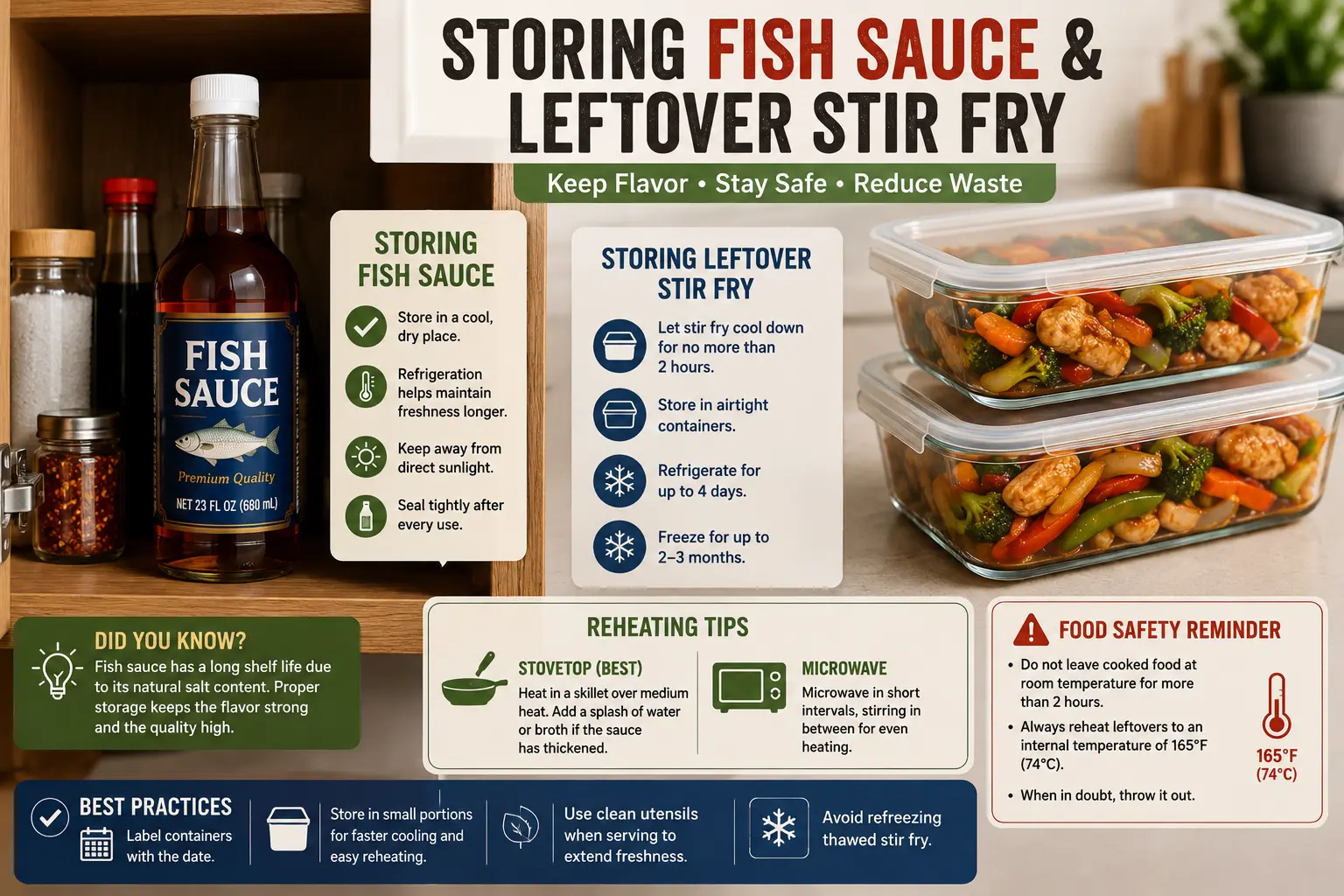
Proper storage helps maintain the quality of both your fish sauce and your finished fish sauce stir fry. While fish sauce has a long shelf life because of its high salt content, storing it correctly preserves its flavor and aroma. Likewise, refrigerating leftover stir fry safely helps maintain its texture and reduces the risk of foodborne illness.
How to Store Fish Sauce
Once opened, fish sauce should be tightly sealed after each use. Store the bottle in a cool, dry place away from direct sunlight. While many people keep it in the pantry, refrigeration can help preserve its quality for a longer period, especially if you don’t use it frequently.
Always check the manufacturer’s storage recommendations printed on the bottle. Over time, the color may darken slightly, but this is usually a natural change and doesn’t necessarily indicate spoilage.
Storage Tip: Wipe the bottle opening after each use before replacing the cap. This helps prevent salt buildup and keeps the bottle easier to pour the next time you cook.
How to Refrigerate Leftover Stir Fry
Allow your fish sauce stir fry to cool for no more than two hours before transferring it to airtight containers. Refrigerate promptly to help maintain freshness and food safety.
Properly stored leftovers generally keep well for up to four days in the refrigerator. Divide larger portions into smaller containers so they cool more quickly and reheat more evenly.
| Food Item | Recommended Storage | Approximate Time |
|---|---|---|
| Opened Fish Sauce | Cool pantry or refrigerator | Follow manufacturer guidance |
| Cooked Stir Fry | Refrigerator in airtight container | Up to 4 days |
| Frozen Stir Fry | Freezer-safe container | Up to 2–3 months |
Can You Freeze Fish Sauce Stir Fry?
Yes. Most chicken, beef, and vegetable stir fries freeze well, although vegetables with high water content may become slightly softer after thawing.
For the best quality, cool the stir fry completely before placing it into freezer-safe containers or freezer bags. Remove as much air as possible to reduce freezer burn.
How to Reheat Without Losing Flavor
Reheat refrigerated stir fry in a skillet over medium heat until it’s thoroughly heated. Adding a tablespoon of water or low-sodium chicken broth helps loosen the sauce if it has thickened during storage.
Microwave reheating also works well for busy weeknights. Cover the container loosely, heat in short intervals, and stir between each interval to promote even heating.
Tip: Avoid adding extra fish sauce while reheating unless you’ve tasted the dish first. The flavors often become more concentrated after refrigeration.
Expert Tips for Better Fish Sauce Stir Fry Every Time
Once you’ve learned the basics, a few simple techniques can consistently improve your homemade fish sauce stir fry. These small adjustments are commonly used in professional kitchens and can make a noticeable difference in both flavor and texture.
- Prepare all ingredients before heating the wok since stir frying cooks very quickly.
- Use high heat to cook the protein and vegetables while keeping them crisp and tender.
- Mix the sauce before cooking so every ingredient is evenly distributed.
- Taste the sauce before serving and adjust sweetness or acidity instead of adding more salt.
- Use fresh garlic and ginger whenever possible for the brightest flavor.
- Add toasted sesame oil only at the end of cooking to preserve its aroma.
- Don’t overcrowd the pan, as excess moisture prevents proper browning.
Kitchen Secret: Many restaurant stir fries taste richer because they build flavor in layers. Aromatics, sauces, and seasonings are added at different stages rather than all at once, allowing each ingredient to contribute its best flavor.
If you’re looking to continue improving your stir fry skills, our Ultimate Chicken Stir Fry Sauce Guide explains how different sauces work together, while Common Stir Fry Sauce Mistakes covers additional problems and practical solutions.
Frequently Asked Questions
Can I use fish sauce instead of soy sauce in stir fry?
You can, but it’s usually better to use both together. Soy sauce provides body, color, and balanced saltiness, while fish sauce stir fry recipes use fish sauce to add rich umami flavor. Combining the two creates a more balanced sauce than using either one alone.
Does fish sauce make stir fry taste fishy?
No. When used in the proper amount, fish sauce blends with the other ingredients and creates a savory, complex flavor rather than a fishy taste. Most people won’t recognize fish sauce as a separate ingredient in the finished dish.
How much fish sauce should I use in stir fry?
For most family-sized meals, 1 to 2 teaspoons is enough. If you’re making a larger batch, you can gradually increase the amount, tasting as you go to avoid making the stir fry overly salty.
Can I add fish sauce directly to the wok?
Yes, but it’s usually better to mix fish sauce with the rest of your stir fry sauce before cooking. This ensures the flavors are evenly distributed and reduces the risk of adding too much of one ingredient.
Which proteins work best with fish sauce stir fry?
Fish sauce pairs exceptionally well with chicken, shrimp, beef, pork, and tofu. It also complements vegetables such as broccoli, mushrooms, carrots, snap peas, cabbage, and bell peppers.
Can fish sauce be used in vegetarian stir fry?
Traditional fish sauce is made from fermented fish, so it isn’t vegetarian or vegan. Plant-based fish sauce alternatives are available and can provide a similar umami flavor in vegetarian stir fry recipes.
Final Thoughts
Using fish sauce stir fry techniques is one of the easiest ways to give homemade meals a deeper, more restaurant-quality flavor. Although the ingredient has a strong aroma in the bottle, it transforms during cooking into a rich source of umami that enhances chicken, beef, shrimp, tofu, and vegetables without overpowering them.
The key is balance. Combine fish sauce with soy sauce, fresh garlic, ginger, a touch of sweetness, and a little acidity to create a well-rounded stir fry sauce. Start with a small amount, taste as you cook, and adjust gradually rather than adding too much at once.
As you become more comfortable using fish sauce, you’ll discover how versatile it is across different stir fry recipes and homemade sauces. With the techniques covered in this guide, you’ll be able to create flavorful stir fries that are both satisfying and consistently delicious.
🍽️ You Might Also Like




📧 Save This Recipe For Later
Enter your email and we will send this recipe directly to your inbox.