
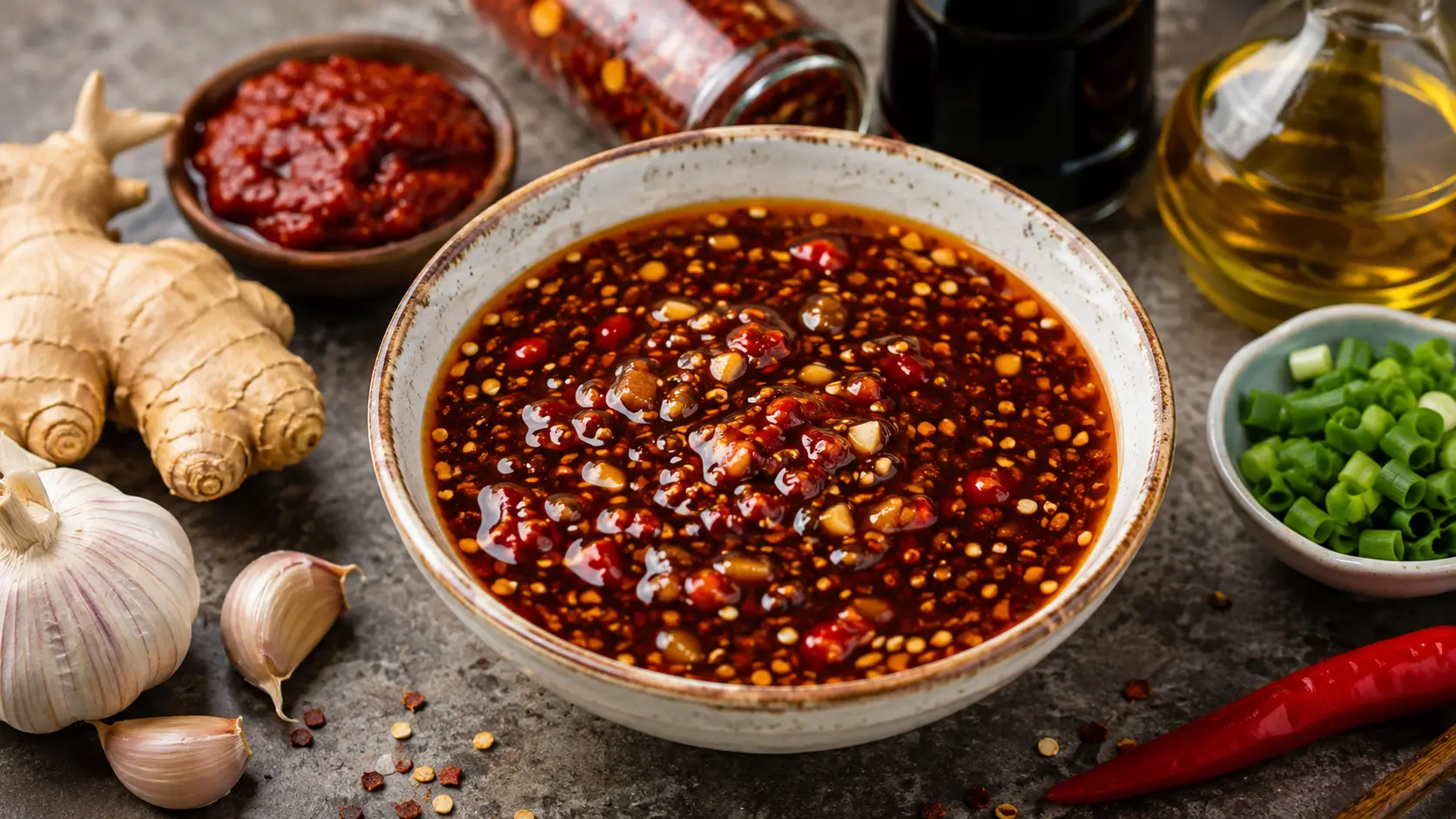
How to Make Spicy Stir Fry Sauce at Home
How to Make Spicy Stir Fry Sauce at Home
A great spicy stir fry sauce can completely transform an ordinary stir fry into a bold, flavorful meal. The best part is that you don’t need to buy bottled sauces packed with preservatives or excess sugar. With a handful of pantry staples, you can make a homemade sauce that’s fresher, more customizable, and perfectly balanced for your favorite chicken, beef, shrimp, tofu, or vegetable stir fry.
Learning how to make spicy stir fry sauce at home also gives you complete control over the heat level, sweetness, saltiness, and thickness. Whether you prefer a mild kick or a fiery sauce that brings serious heat, homemade versions let you adjust every ingredient to match your taste.
In this guide, you’ll learn what ingredients create a well-balanced spicy sauce, how to adjust the spice level, common mistakes to avoid, and practical tips for getting restaurant-quality results every time.
Quick Answer
Spicy stir fry sauce is made by combining soy sauce, garlic, fresh ginger, chili paste or sriracha, sesame oil, a small amount of sweetener, rice vinegar, and a cornstarch slurry. The secret is balancing spicy, salty, sweet, sour, and umami flavors instead of simply adding more chili. Once mixed, the sauce is added during the final minutes of cooking so it thickens evenly and coats every ingredient with rich flavor.
Table of Contents
Why Make Spicy Stir Fry Sauce at Home?
Store-bought sauces are convenient, but many contain large amounts of sodium, refined sugar, preservatives, and artificial flavorings. While some brands taste good, they often leave little room for customization.
Making your own spicy stir fry sauce allows you to control every ingredient. You decide how spicy, sweet, salty, or tangy the finished sauce should be. This flexibility makes homemade sauce suitable for different family members and dietary preferences.
Another advantage is freshness. Fresh garlic, grated ginger, and quality chili paste create brighter flavors than many bottled alternatives. The aroma alone makes homemade sauce worth the few extra minutes of preparation.
Tip: Mix your spicy stir fry sauce before you begin cooking. Stir frying happens quickly, so having the sauce ready prevents overcooking while you measure ingredients.
Homemade sauce is also incredibly versatile. The same basic recipe works well with chicken, beef, shrimp, pork, tofu, mushrooms, broccoli, snap peas, carrots, and countless other vegetables.
If you’re looking for meal inspiration after making your sauce, try pairing it with our Spicy Chicken Stir Fry or the classic Chicken Stir Fry. Both recipes work beautifully with a fresh homemade spicy sauce.
Essential Ingredients for the Best Spicy Stir Fry Sauce
A flavorful spicy stir fry sauce isn’t just about adding hot peppers. The best sauces combine several ingredients that work together to create depth and balance.
| Ingredient | Purpose |
|---|---|
| Soy Sauce | Provides salty umami flavor. |
| Garlic | Adds rich aromatic depth. |
| Fresh Ginger | Creates warmth and freshness. |
| Sriracha or Chili Paste | Provides adjustable heat. |
| Rice Vinegar | Balances richness with acidity. |
| Brown Sugar or Honey | Softens the heat and improves flavor balance. |
| Sesame Oil | Adds nutty aroma and finish. |
| Cornstarch Slurry | Creates a glossy sauce that coats ingredients. |
Each ingredient has a specific purpose. Removing one often changes the overall balance, which is why restaurant-quality sauces rely on multiple flavor components instead of a single dominant ingredient.
Kitchen Secret: Great spicy stir fry sauce isn’t about making it as hot as possible. Professional chefs focus on balancing heat with sweetness, acidity, umami, and aromatics so every bite tastes layered instead of overwhelmingly spicy.
How to Balance the Flavors in Spicy Stir Fry Sauce
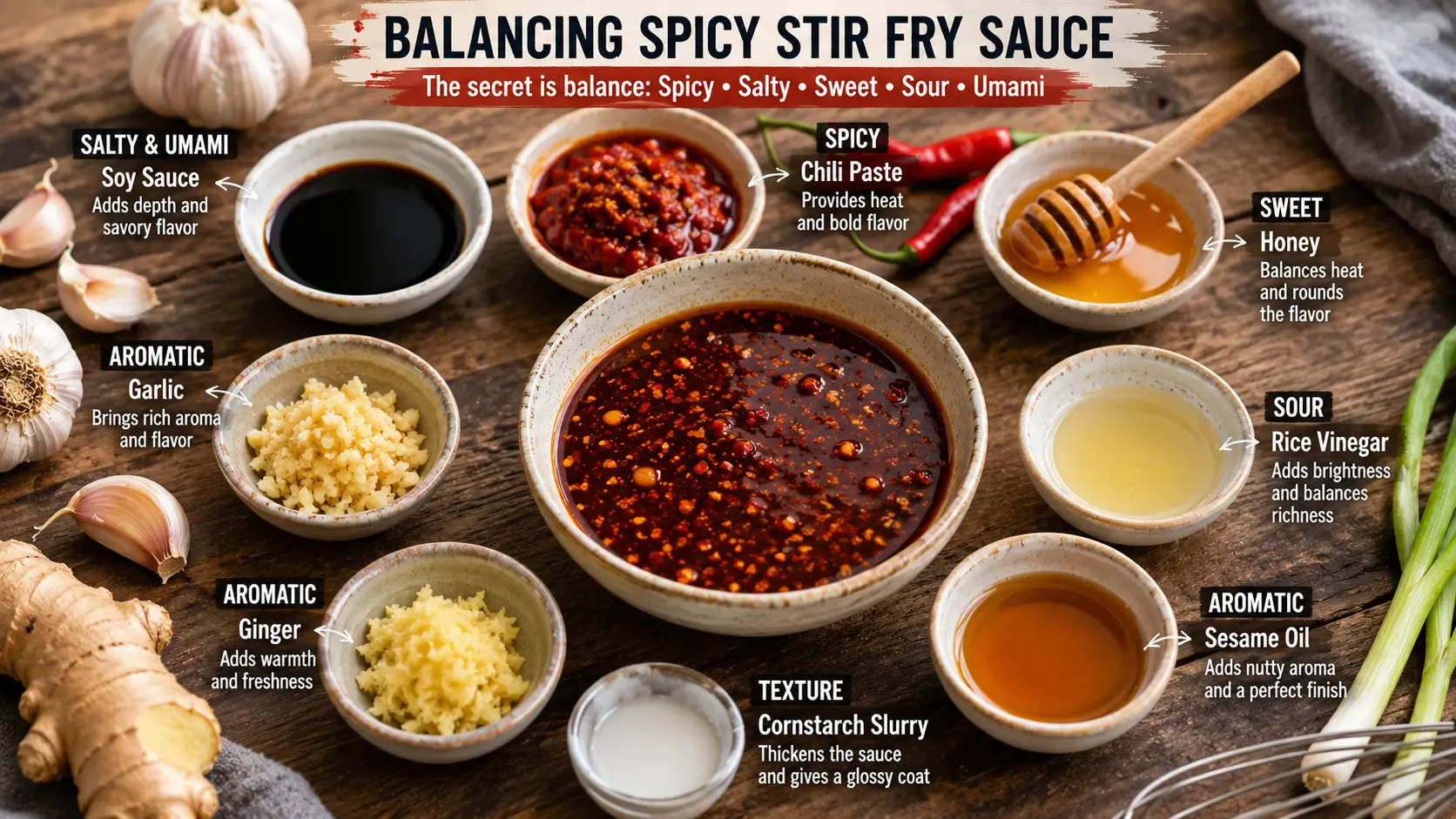
The secret to an unforgettable spicy stir fry sauce isn’t simply adding more chili. The best sauces achieve balance by combining five essential flavor profiles: spicy, salty, sweet, sour, and umami. When one flavor dominates, the sauce can taste harsh instead of rich and satisfying.
Professional chefs rarely increase the heat without adjusting the other ingredients. A little sweetness softens the burn, acidity brightens the overall flavor, and umami gives the sauce depth that keeps you coming back for another bite.
Spicy
The spicy element is the star of the sauce, but choosing the right source of heat makes a big difference. Sriracha provides a smooth, garlicky heat, while chili garlic sauce adds texture and stronger garlic flavor. Sambal oelek delivers a fresher chili taste with less sweetness, making it ideal if you prefer bold heat.
If you enjoy experimenting, crushed red pepper flakes or fresh sliced chilies can also increase the spice level without changing the overall consistency of the sauce.
Salty
Soy sauce supplies the savory backbone of spicy stir fry sauce. It contributes saltiness while also delivering umami, which makes meats and vegetables taste more flavorful.
Using low-sodium soy sauce allows better control over seasoning, especially if you’re adding other salty ingredients such as oyster sauce or chili bean paste.
Sweet
Many people think sweeteners reduce the spice, but their real purpose is balance. Honey, brown sugar, or maple syrup rounds out the sharper flavors and creates a smoother finish.
You don’t need much. Even a small amount helps tie all the ingredients together without making the sauce noticeably sweet.
Tip: Taste your spicy stir fry sauce before adding the cornstarch slurry. It’s much easier to adjust sweetness, saltiness, or spice while the sauce is still thin.
Sour
Rice vinegar adds brightness that prevents the sauce from tasting heavy. A splash of acidity also helps cut through the richness of sesame oil and complements spicy ingredients exceptionally well.
If rice vinegar isn’t available, fresh lime juice works as a substitute, although it creates a slightly different flavor profile.
Umami
Umami is what gives homemade spicy stir fry sauce restaurant-quality depth. Soy sauce already contributes some umami, but ingredients like oyster sauce, mushroom sauce, or a small amount of miso paste can make the sauce even richer.
These ingredients don’t make the sauce taste fishy or overpowering. Instead, they create a fuller, more satisfying flavor that enhances the entire dish.
Choosing the Right Heat Level
Everyone has a different tolerance for spicy food. One advantage of making spicy stir fry sauce at home is the ability to customize the heat instead of relying on a bottled sauce that’s either too mild or too intense.
| Heat Level | Recommended Chili Amount | Best For |
|---|---|---|
| Mild | 1 teaspoon sriracha | Families and children |
| Medium | 1 tablespoon chili paste | Everyday stir fries |
| Hot | 2 tablespoons chili paste | Spice lovers |
| Extra Hot | Chili paste plus fresh chilies | Very high spice tolerance |
It’s always better to start with less heat than you think you’ll need. You can easily stir in more chili sauce during cooking, but reducing excessive heat afterward is much more difficult.
If your sauce becomes too spicy, add a little honey, a splash of soy sauce, or a small amount of chicken broth to soften the intensity while maintaining balance.
Once you’ve mastered homemade spicy stir fry sauce, you can use it in recipes like Garlic Chicken Stir Fry for extra heat or drizzle it over Chicken Veggie Stir Fry to give fresh vegetables a bold kick.
How to Make Spicy Stir Fry Sauce Step by Step
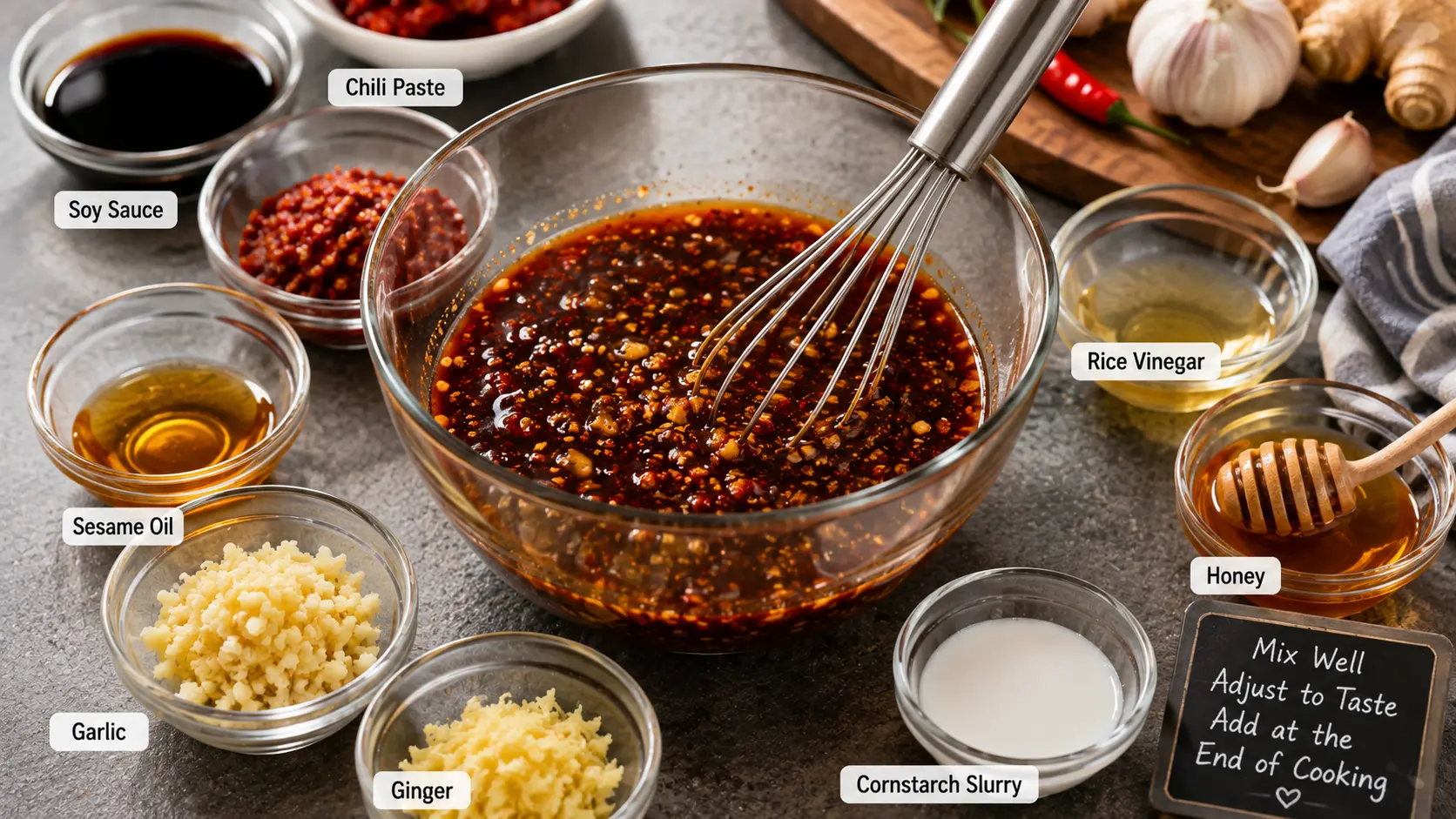
Making spicy stir fry sauce at home takes only a few minutes, but following the correct order helps every ingredient blend smoothly. Preparing the sauce before heating your wok or skillet also makes the cooking process much easier because stir frying happens quickly.
Step 1: Combine the Liquid Ingredients
Start by adding soy sauce, rice vinegar, sesame oil, and your preferred sweetener to a medium bowl. Whisk until the sugar or honey dissolves completely. Mixing the liquids first creates a smooth base that evenly distributes the remaining ingredients.
If you plan to add oyster sauce or another umami ingredient, mix it into the liquid at this stage. This ensures it dissolves evenly without forming small lumps.
Step 2: Add the Aromatics
Next, stir in freshly minced garlic and grated ginger. Fresh aromatics provide brighter flavor than powdered alternatives and release their natural oils into the sauce while cooking.
Although garlic powder and ground ginger can work in an emergency, fresh ingredients produce a cleaner and more vibrant spicy stir fry sauce.
Kitchen Secret: Grate ginger with a microplane instead of chopping it. This creates a smoother sauce while evenly distributing the ginger flavor throughout the mixture.
Step 3: Add the Heat
Now stir in your chosen spicy ingredient. Sriracha creates a smooth, balanced heat, while chili garlic sauce adds texture and a stronger garlic flavor. Sambal oelek offers a cleaner chili taste with less sweetness.
Whisk thoroughly until the chili paste is fully incorporated into the sauce. The color should become evenly reddish-brown without streaks.
Step 4: Prepare the Cornstarch Slurry Separately
Never add dry cornstarch directly into your spicy stir fry sauce. Instead, mix equal parts cornstarch and cold water in a separate small bowl. Stir until completely smooth before adding it to the sauce.
This simple step prevents clumps and helps the finished sauce develop the glossy texture commonly found in restaurant stir fries.
Avoid This Mistake: Cornstarch begins thickening as soon as it reaches heat. If it sits too long before using, stir the slurry again because the starch naturally settles at the bottom.
Step 5: Cook the Sauce at the Right Time
Cook your protein and vegetables first. Once they’re nearly finished, pour in the prepared spicy stir fry sauce. Stir continuously for one to three minutes until the sauce thickens and evenly coats every ingredient.
Adding the sauce too early can burn the sugars and overcook the garlic, while adding it too late may prevent the cornstarch from fully activating.
Best Ingredients to Adjust the Flavor
One of the greatest advantages of homemade spicy stir fry sauce is flexibility. Small adjustments can completely change the final flavor without requiring an entirely new recipe.
| If You Want… | Add This |
|---|---|
| More Heat | Extra chili paste, sambal oelek, or crushed red pepper |
| More Sweetness | Honey, brown sugar, or maple syrup |
| More Umami | Oyster sauce or mushroom sauce |
| More Tang | Rice vinegar or fresh lime juice |
| More Garlic Flavor | Fresh minced garlic |
| More Ginger Flavor | Fresh grated ginger |
Rather than making large changes all at once, adjust one ingredient at a time and taste between additions. This approach makes it much easier to maintain balance.
If you enjoy experimenting with different flavor combinations, our guides on Best Homemade Stir Fry Sauce Variations and How to Balance Sweet, Salty, Sour, and Umami in Stir Fry Sauce provide additional ideas for customizing your homemade sauces.
Common Mistakes When Making Spicy Stir Fry Sauce
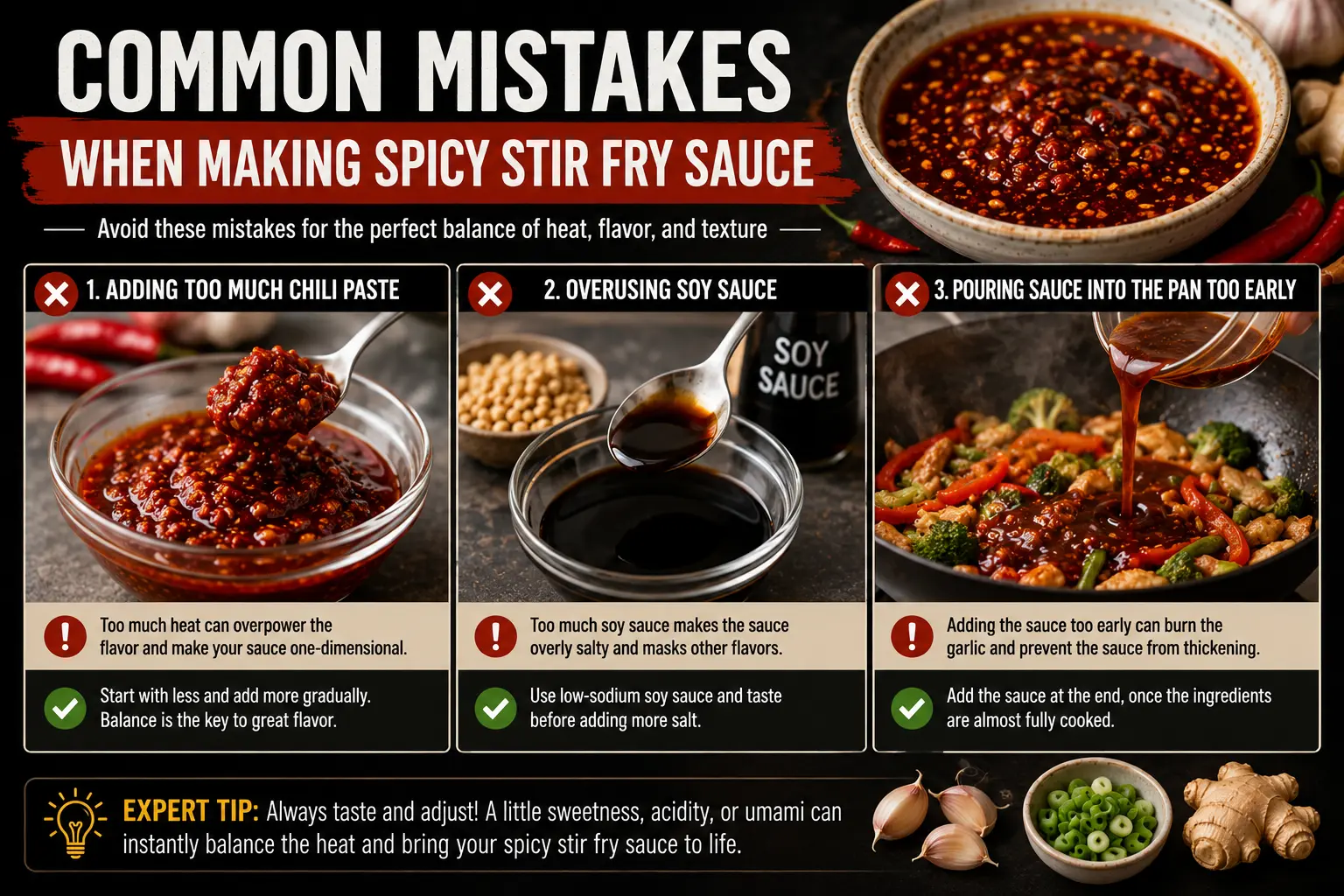
Even though homemade spicy stir fry sauce is simple to prepare, a few common mistakes can affect the flavor, texture, and overall quality of your finished stir fry. Fortunately, most of these problems are easy to avoid once you know what to watch for.
1. Adding Too Much Chili at Once
One of the biggest mistakes is assuming that more chili automatically creates a better sauce. Excessive heat can overwhelm every other flavor, making the sauce taste one-dimensional instead of balanced.
Start with a moderate amount of chili paste or sriracha, taste the sauce, and increase the spice gradually if needed. It’s much easier to make a sauce hotter than to reduce its heat after everything has been mixed together.
Warning: Extremely spicy sauces can mask the natural flavors of chicken, vegetables, and aromatics. A balanced spicy stir fry sauce should enhance the dish, not overpower it.
2. Using Too Much Soy Sauce
Soy sauce provides essential umami and saltiness, but adding too much creates an overly salty sauce that dominates the entire meal. This is especially noticeable when using regular soy sauce instead of low-sodium varieties.
If your sauce tastes too salty, balance it by adding a little water, unsalted chicken broth, honey, or rice vinegar rather than adding more sugar alone.
3. Skipping the Cornstarch Slurry
Without a proper thickener, the spicy stir fry sauce often runs to the bottom of the pan instead of coating the ingredients. A simple cornstarch slurry creates the glossy finish associated with restaurant-quality stir fries.
Always mix cornstarch with cold water before adding it to the sauce. This prevents clumps and ensures smooth thickening.
4. Pouring the Sauce into a Cold Pan
The sauce should be added only after the meat and vegetables are nearly finished cooking. Pouring it into a cold pan delays thickening and prevents the ingredients from absorbing the flavors properly.
A hot wok or skillet activates the cornstarch quickly while helping the sauce cling evenly to every piece of food.
5. Overcooking the Sauce
Cooking spicy stir fry sauce for too long causes unnecessary moisture loss, making it overly thick and concentrated. Garlic may become bitter, sugars can caramelize too much, and the finished sauce may lose its fresh flavor.
Once the sauce thickens and coats the ingredients, remove the pan from the heat to preserve its balanced taste.
6. Forgetting to Taste Before Serving
Even experienced cooks taste the sauce before serving. Ingredients like soy sauce, chili paste, and honey vary between brands, so small adjustments are often necessary.
A quick taste allows you to add a splash of vinegar for brightness, another teaspoon of honey for balance, or a little more chili if you’d like additional heat.
For more troubleshooting advice, read our guide on Common Stir Fry Sauce Mistakes, where we explain how to fix the most frequent homemade sauce problems.
Expert Tips for Restaurant-Quality Spicy Stir Fry Sauce
Professional chefs rely on simple techniques rather than complicated ingredient lists. These practical tips will help your homemade spicy stir fry sauce taste richer, smoother, and more balanced every time.
- Prepare the entire sauce before heating the pan.
- Use fresh garlic and fresh ginger whenever possible.
- Choose low-sodium soy sauce for better seasoning control.
- Whisk the sauce thoroughly before adding the cornstarch slurry.
- Cook over high heat to activate the thickener quickly.
- Add toasted sesame oil near the end for maximum aroma.
- Taste and adjust the seasoning before serving.
Pro Tip: If you’re making multiple stir fries during the week, prepare a larger batch of spicy stir fry sauce and store it in the refrigerator. Shake or stir well before each use because the cornstarch naturally settles over time.
Best Dishes to Pair with Spicy Stir Fry Sauce
One reason homemade spicy stir fry sauce is so popular is its versatility. It pairs well with nearly any protein or vegetable while adding bold flavor without requiring a complicated recipe.
| Dish | Why It Works Well |
|---|---|
| Chicken Stir Fry | Chicken absorbs spicy flavors beautifully. |
| Broccoli Stir Fry | Broccoli holds the thick sauce well. |
| Mixed Vegetable Stir Fry | Adds bold flavor to fresh vegetables. |
| Shrimp Stir Fry | Spicy sauce complements naturally sweet shrimp. |
| Tofu Stir Fry | Tofu absorbs the sauce for maximum flavor. |
| Beef Stir Fry | Rich beef pairs perfectly with spicy umami sauce. |
After mastering this homemade sauce, try it with our Chicken Broccoli Stir Fry, Healthy Chicken Stir Fry, or Teriyaki Chicken Stir Fry for delicious variations that showcase its versatility.
How to Store Homemade Spicy Stir Fry Sauce
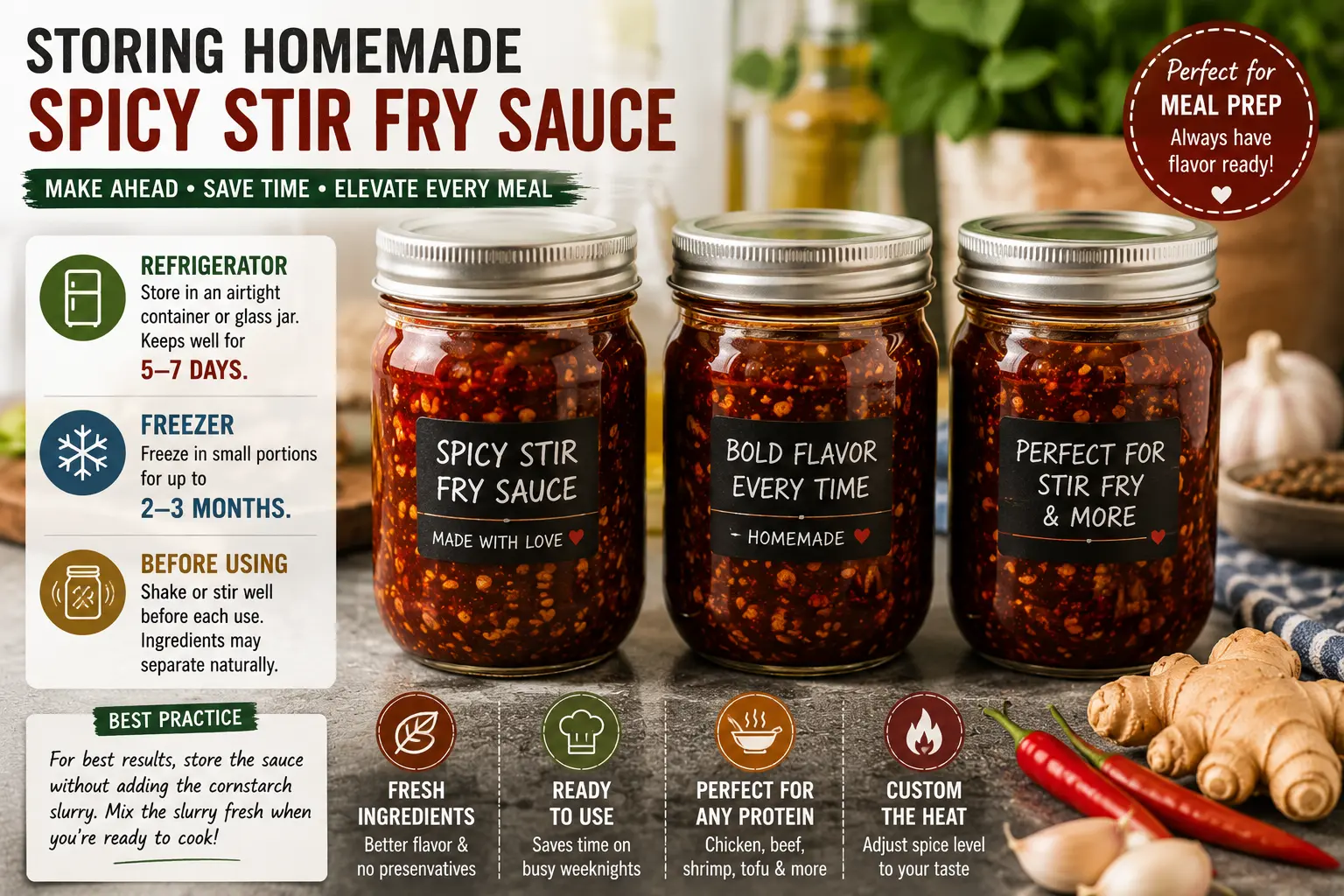
One of the biggest advantages of making spicy stir fry sauce at home is that you can prepare it ahead of time. Having a ready-to-use sauce in your refrigerator makes weeknight cooking much faster because all the measuring and mixing are already done.
Proper storage also helps preserve the fresh flavors of garlic, ginger, soy sauce, and chili while maintaining the smooth consistency needed for a perfect stir fry.
Storage Tip: Store homemade spicy stir fry sauce in a clean, airtight glass jar or food-safe container. Refrigerate it immediately after mixing and use it within 5 to 7 days for the best flavor and freshness.
Should You Store the Cornstarch Slurry Separately?
For the freshest results, many home cooks prefer storing the base sauce without the cornstarch slurry. Mix the slurry only when you’re ready to cook. This helps prevent separation and ensures the sauce thickens consistently every time.
If you’ve already combined the slurry with the sauce, don’t worry. Simply shake or whisk the sauce well before using because the cornstarch naturally settles at the bottom during storage.
Can You Freeze Spicy Stir Fry Sauce?
Yes. Spicy stir fry sauce freezes surprisingly well, making it an excellent option for meal prep. Divide the sauce into smaller portions before freezing so you can thaw only what you need.
Leave a little extra space in the container because liquids expand slightly as they freeze. Frozen sauce is generally best used within two to three months for optimal flavor.
| Storage Method | Recommended Time | Best Practice |
|---|---|---|
| Room Temperature | Not recommended | Use immediately after mixing. |
| Refrigerator | 5–7 days | Store in an airtight container. |
| Freezer | 2–3 months | Freeze in small portions for convenience. |
How to Customize Spicy Stir Fry Sauce
Every household has different taste preferences, which is why homemade spicy stir fry sauce is so useful. Instead of following a fixed recipe forever, you can easily adjust the ingredients to suit different meals.
For a Sweeter Sauce
Add a little more honey or brown sugar. The extra sweetness balances the chili heat without making the sauce taste like dessert. This variation works especially well with chicken and vegetables.
For More Garlic Flavor
Fresh garlic provides a stronger aroma than garlic powder. If you love bold garlic flavor, increase the amount of freshly minced garlic rather than relying on dried seasonings.
For Extra Heat
Add additional chili garlic sauce, sambal oelek, crushed red pepper flakes, or freshly sliced Thai chilies. Increase the spice gradually and taste after each addition to maintain a balanced sauce.
Kitchen Secret: Let your spicy stir fry sauce rest for 10 to 15 minutes before cooking. This gives the garlic, ginger, chili, and soy sauce time to blend together, creating a deeper and more balanced flavor.
For a Richer Umami Flavor
If you want your homemade sauce to taste even closer to restaurant versions, stir in a small amount of oyster sauce or mushroom sauce. These ingredients add depth without overpowering the spicy flavor.
For a Lighter Sauce
Reduce the amount of sesame oil slightly and replace part of the soy sauce with low-sodium chicken broth. This creates a lighter sauce that pairs especially well with vegetable-heavy stir fries.
Advantages of Homemade Spicy Stir Fry Sauce
- Easy to customize the spice level.
- Made with fresh ingredients.
- No unnecessary preservatives.
- Perfect for meal prep.
- Works with chicken, beef, shrimp, tofu, and vegetables.
- Often more affordable than premium bottled sauces.
Things to Consider
- Requires a few pantry ingredients.
- Fresh garlic and ginger have a shorter shelf life.
- Needs to be refrigerated after preparation.
- May require small adjustments depending on ingredient brands.
If you enjoy experimenting with homemade sauces, you may also like our guides on Easy Homemade Stir Fry Sauce, Best Honey Garlic Stir Fry Sauce Recipe, and Sweet vs. Savory Stir Fry Sauce, where you’ll discover even more ways to customize your favorite stir fry dishes.
Frequently Asked Questions
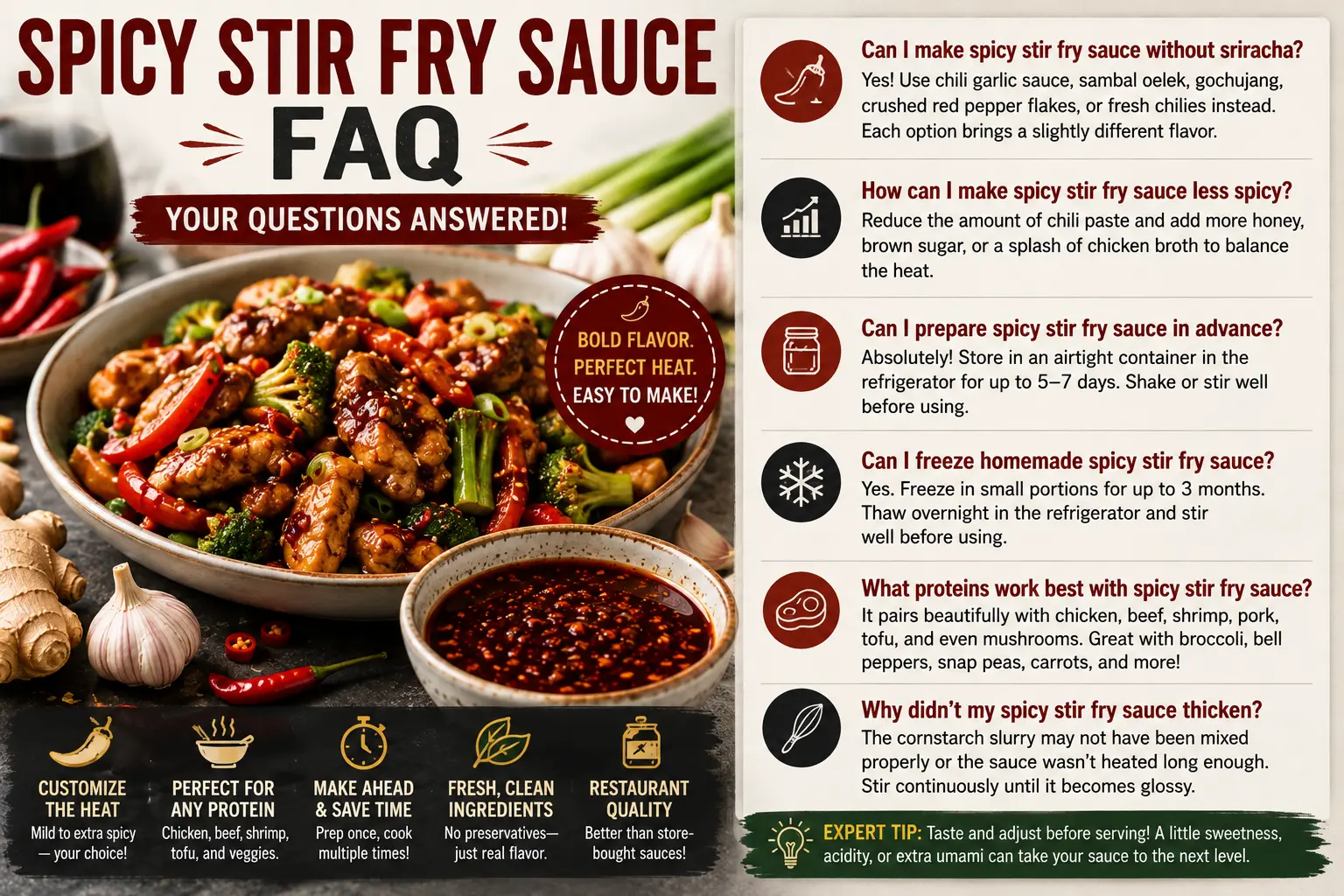
Can I make spicy stir fry sauce without sriracha?
Yes. You can substitute chili garlic sauce, sambal oelek, gochujang, crushed red pepper flakes, or finely chopped fresh chilies. Each option provides a slightly different flavor profile while still creating a delicious spicy stir fry sauce.
How can I make spicy stir fry sauce less spicy?
Reduce the amount of chili paste and increase ingredients that balance heat, such as honey, brown sugar, or a little extra soy sauce. You can also add a splash of chicken broth to mellow the overall flavor without making the sauce overly sweet.
Can I prepare spicy stir fry sauce in advance?
Absolutely. Homemade spicy stir fry sauce can be prepared several days ahead and stored in an airtight container in the refrigerator. Shake or whisk it before using because the ingredients may naturally separate during storage.
What proteins work best with spicy stir fry sauce?
Chicken is the most popular choice, but the sauce also pairs well with beef, shrimp, pork, tofu, and even mushrooms. It also complements broccoli, bell peppers, snap peas, carrots, and many other vegetables.
Why didn’t my spicy stir fry sauce thicken?
The most common reason is that the cornstarch slurry wasn’t mixed properly or the sauce wasn’t heated long enough. Always combine cornstarch with cold water before adding it to the hot pan, then stir continuously until the sauce becomes glossy.
Can I freeze homemade spicy stir fry sauce?
Yes. Freeze it in small airtight containers or freezer-safe bags for up to three months. Thaw overnight in the refrigerator and stir well before using to restore a smooth consistency.
Final Thoughts
Learning how to make spicy stir fry sauce at home is one of the easiest ways to improve your stir fry meals. Instead of relying on bottled sauces with fixed flavors, you can adjust the heat, sweetness, saltiness, and richness to match your personal preferences.
Using fresh garlic, ginger, quality soy sauce, and your favorite chili paste creates a sauce with brighter flavor and better texture than many store-bought alternatives. Once you understand how each ingredient contributes to the final balance, you’ll be able to customize your sauce for everything from mild family dinners to extra-spicy restaurant-style stir fries.
Whether you’re cooking chicken, beef, shrimp, tofu, or vegetables, a well-balanced spicy stir fry sauce delivers bold flavor while allowing the natural ingredients to shine. With a little practice, homemade sauce will quickly become a staple in your kitchen.
References
🍽️ You Might Also Like


📧 Save This Recipe For Later
Enter your email and we will send this recipe directly to your inbox.