
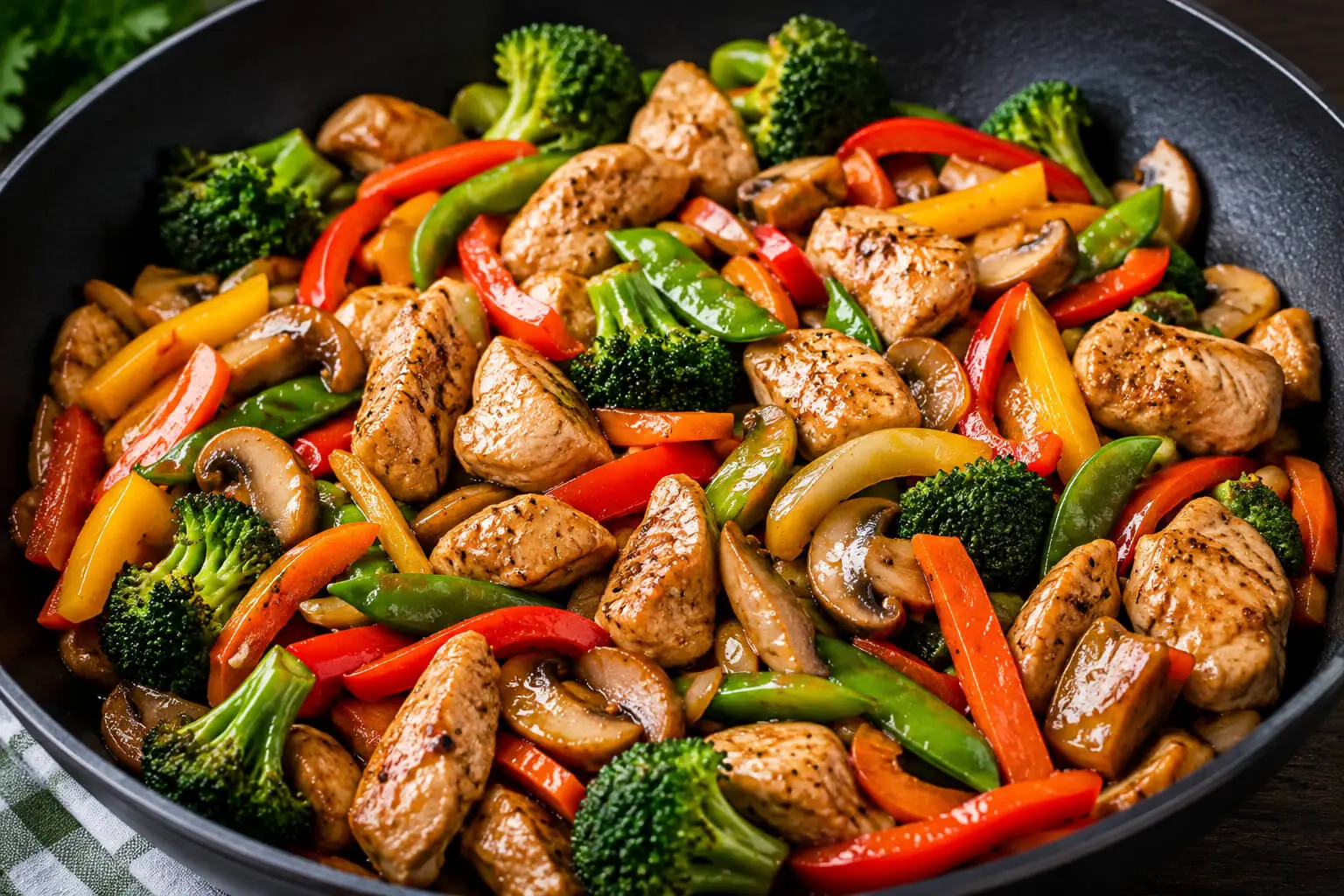
Best Vegetable Combinations for Chicken Stir Fry
Best Vegetable Combinations for Chicken Stir Fry
Choosing the best vegetable combinations stir fry can make the difference between an average meal and a restaurant-quality chicken stir fry. While almost any vegetable can be added to a hot wok, pairing vegetables with similar cooking times, textures, and flavors creates a balanced dish that looks vibrant and tastes delicious.
A great chicken stir fry isn’t simply about adding as many vegetables as possible. The best combinations include vegetables that stay crisp-tender, complement juicy chicken, and absorb savory stir fry sauce without becoming soggy. Combining crunchy vegetables with naturally sweet, earthy, or leafy options creates layers of flavor and texture in every bite.
Whether you’re preparing a quick weeknight dinner or planning healthy meal prep, understanding which vegetables work well together helps you cook faster and achieve more consistent results. In this guide, you’ll learn the best vegetable combinations stir fry, why each pairing works, and how to build your own perfect chicken stir fry using fresh seasonal vegetables.
Quick Answer
The best vegetable combinations stir fry include vegetables with similar cooking times and complementary textures. Popular combinations include broccoli and carrots, bell peppers and onions, mushrooms and snow peas, cabbage and carrots, zucchini and mushrooms, spinach and bell peppers, and mixed Asian vegetables. These combinations cook evenly, stay crisp-tender, and pair perfectly with chicken and classic stir fry sauces.
Table of Contents
Why Vegetable Combinations Matter
The secret behind every successful stir fry is balance. Instead of focusing on a single vegetable, experienced home cooks combine vegetables that complement one another in texture, flavor, and cooking speed. This approach keeps every bite interesting while helping each ingredient cook properly.
For example, broccoli adds a satisfying crunch, carrots contribute natural sweetness, and bell peppers provide juicy freshness. Together, these vegetables create a colorful, flavorful meal that pairs exceptionally well with tender chicken.
Using the best vegetable combinations stir fry also improves presentation. Bright green, orange, yellow, and red vegetables create an appealing dish that looks as good as it tastes. Color variety often indicates a wider range of nutrients, making your meal more balanced as well.
Tip: Aim to combine at least three different vegetables with contrasting colors and textures. This creates a stir fry that looks vibrant while delivering a variety of flavors in every bite.
How to Build the Perfect Vegetable Combination
Building the perfect stir fry starts by selecting vegetables from different texture categories instead of choosing similar ingredients. A balanced combination usually includes one crunchy vegetable, one tender vegetable, and one ingredient that adds moisture or sweetness.
For example, broccoli provides firmness, mushrooms add a juicy, savory bite, and bell peppers contribute sweetness and vibrant color. Together, they create a balanced combination that’s easy to cook and enjoyable to eat.
It’s also important to think about cooking order. Dense vegetables should enter the wok first, while delicate vegetables are added near the end to prevent overcooking. Organizing your ingredients before heating the pan makes cooking much smoother and helps every vegetable maintain its ideal texture.
If you’re still deciding which vegetables to use, our guide to the best vegetables for chicken stir fry explains the strengths of individual vegetables before combining them into complete meals.
Best Vegetable Combinations for Chicken Stir Fry
The best vegetable combinations stir fry bring together vegetables that cook at similar speeds while offering different textures and flavors. Instead of randomly mixing vegetables, choosing proven combinations helps every ingredient finish cooking at the right time and creates a more satisfying meal.
Below are some of the most popular vegetable pairings for homemade chicken stir fry. These combinations work well with classic soy-based sauces, garlic, ginger, sesame oil, and many other stir fry seasonings.
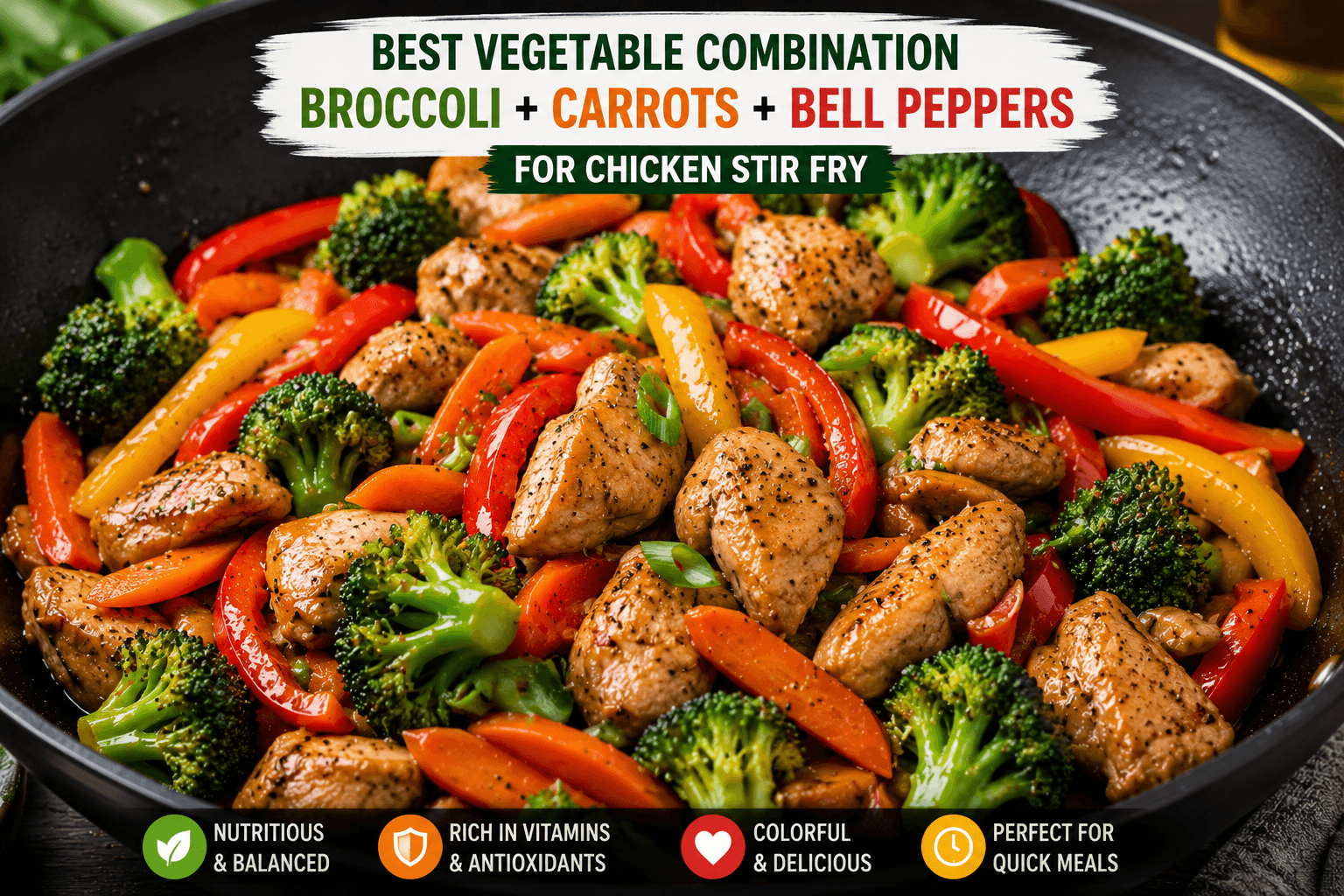
1. Broccoli, Carrots, and Bell Peppers
This classic trio is one of the best vegetable combinations stir fry because it balances crunch, sweetness, and color. Broccoli stays slightly crisp, carrots become tender without turning soft, and bell peppers add juicy sweetness that complements chicken beautifully.
Slice the carrots thinly so they cook at nearly the same speed as the broccoli florets. Add the bell peppers during the last few minutes to keep them crisp-tender.
If broccoli is your favorite ingredient, you’ll also enjoy our Chicken Broccoli Stir Fry, which shows how to achieve perfectly cooked broccoli every time.
2. Bell Peppers and Onions
Bell peppers and onions are one of the easiest vegetable combinations for beginners. As onions caramelize slightly, they develop natural sweetness that pairs perfectly with colorful bell peppers and tender chicken.
This combination works especially well when using red, yellow, and green peppers together because they add both visual appeal and subtle differences in flavor.
To avoid overcooking, add the peppers after the onions have softened slightly. This keeps both vegetables flavorful while maintaining their texture.
For more tips, read our guide on how to cook bell peppers without getting mushy.
3. Mushrooms and Snow Peas
Mushrooms bring deep umami flavor, while snow peas add fresh sweetness and satisfying crunch. Together, they create a lighter stir fry that doesn’t feel heavy but still delivers excellent flavor.
Cook the mushrooms first so they release excess moisture before adding the snow peas. This helps the vegetables brown instead of steam.
If you’re unsure which mushrooms work best, check out our guide to the best mushrooms for chicken stir fry.
Kitchen Secret: Combining one earthy vegetable like mushrooms with one crisp vegetable like snow peas creates better texture contrast than using two vegetables with similar textures.
4. Cabbage and Carrots
Cabbage and carrots are affordable, nutritious, and excellent for meal prep. As the cabbage softens, it absorbs stir fry sauce while carrots continue providing a slight crunch.
This combination is popular because it stretches a meal without sacrificing flavor. Green cabbage, napa cabbage, and savoy cabbage all work well with chicken.
Learn more about preparing cabbage properly in our guide to how to prepare cabbage for stir fry.
5. Zucchini and Mushrooms
Zucchini cooks quickly and develops a mild sweetness, while mushrooms contribute savory richness. Since both vegetables release moisture, cook them over high heat and avoid overcrowding the wok.
This pairing creates a lighter chicken stir fry that’s perfect during summer when zucchini is at its peak freshness.
Try this combination in our Chicken Zucchini Stir Fry for a quick and healthy weeknight dinner.
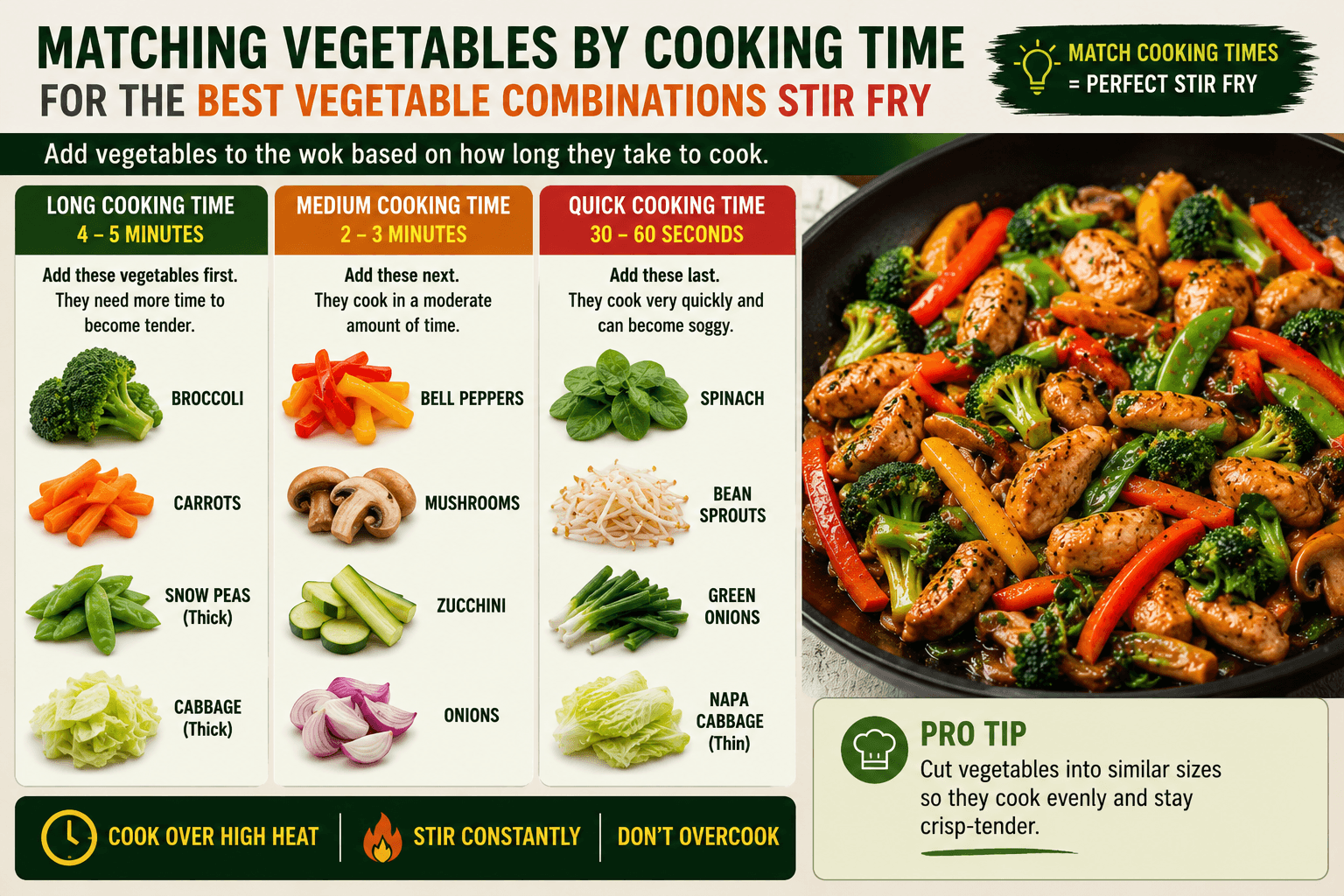
Match Vegetables by Cooking Time for Better Stir Fry Results
One of the biggest secrets behind the best vegetable combinations stir fry is matching vegetables that cook at similar speeds. Even the freshest ingredients can become overcooked or undercooked if they are all added to the wok at the same time.
Professional chefs organize vegetables into cooking groups before they begin cooking. Dense vegetables go into the wok first, medium-textured vegetables follow, and delicate vegetables are added at the end. This simple technique helps every ingredient finish cooking at the perfect moment while keeping its natural color and texture.
| Vegetable | Cooking Speed | Best Paired With |
|---|---|---|
| Broccoli | Medium | Carrots, Bell Peppers |
| Carrots | Slow | Broccoli, Cabbage |
| Bell Peppers | Fast | Onions, Broccoli, Spinach |
| Mushrooms | Medium | Zucchini, Snow Peas |
| Cabbage | Medium | Carrots, Mushrooms |
| Zucchini | Fast | Mushrooms, Bell Peppers |
| Spinach | Very Fast | Bell Peppers, Mushrooms |
| Snow Peas | Very Fast | Mushrooms, Broccoli |
Following this simple guide helps you consistently create the best vegetable combinations stir fry without ending up with soggy vegetables or undercooked carrots.
Color and Texture Create the Perfect Balance
Great stir fries are known for their colorful appearance. Different vegetable colors don’t just make the dish look more appetizing—they also introduce a wider variety of flavors and nutrients.
When choosing the best vegetable combinations stir fry, aim to include vegetables from several color groups. This naturally creates a balanced meal while improving visual appeal.
- Green: Broccoli, snow peas, spinach, green cabbage
- Orange: Carrots
- Red: Red bell peppers
- Yellow: Yellow bell peppers
- White: Mushrooms, onions
- Light Green: Zucchini, napa cabbage
Texture matters just as much as color. Combining crisp vegetables with softer vegetables creates contrast that keeps every bite interesting. For example, crunchy broccoli pairs beautifully with tender mushrooms, while juicy bell peppers balance firm carrots.
Tip: Try using at least three different colors in every stir fry. Besides making the dish look vibrant, this simple habit often increases the variety of vitamins, minerals, and antioxidants in your meal.
If you’re deciding between fresh and frozen produce, our guide on fresh vs. frozen vegetables for stir fry explains when each option delivers the best results.
Build the Best Vegetable Combinations for Every Season
You don’t have to use the same vegetables throughout the year. Seasonal produce is often fresher, more flavorful, and more affordable. Rotating vegetables with the seasons also keeps your meals interesting while allowing you to enjoy the best vegetable combinations stir fry year-round.
Although many vegetables are available year-round in grocery stores, choosing produce that’s in season usually results in better texture and flavor after stir-frying.
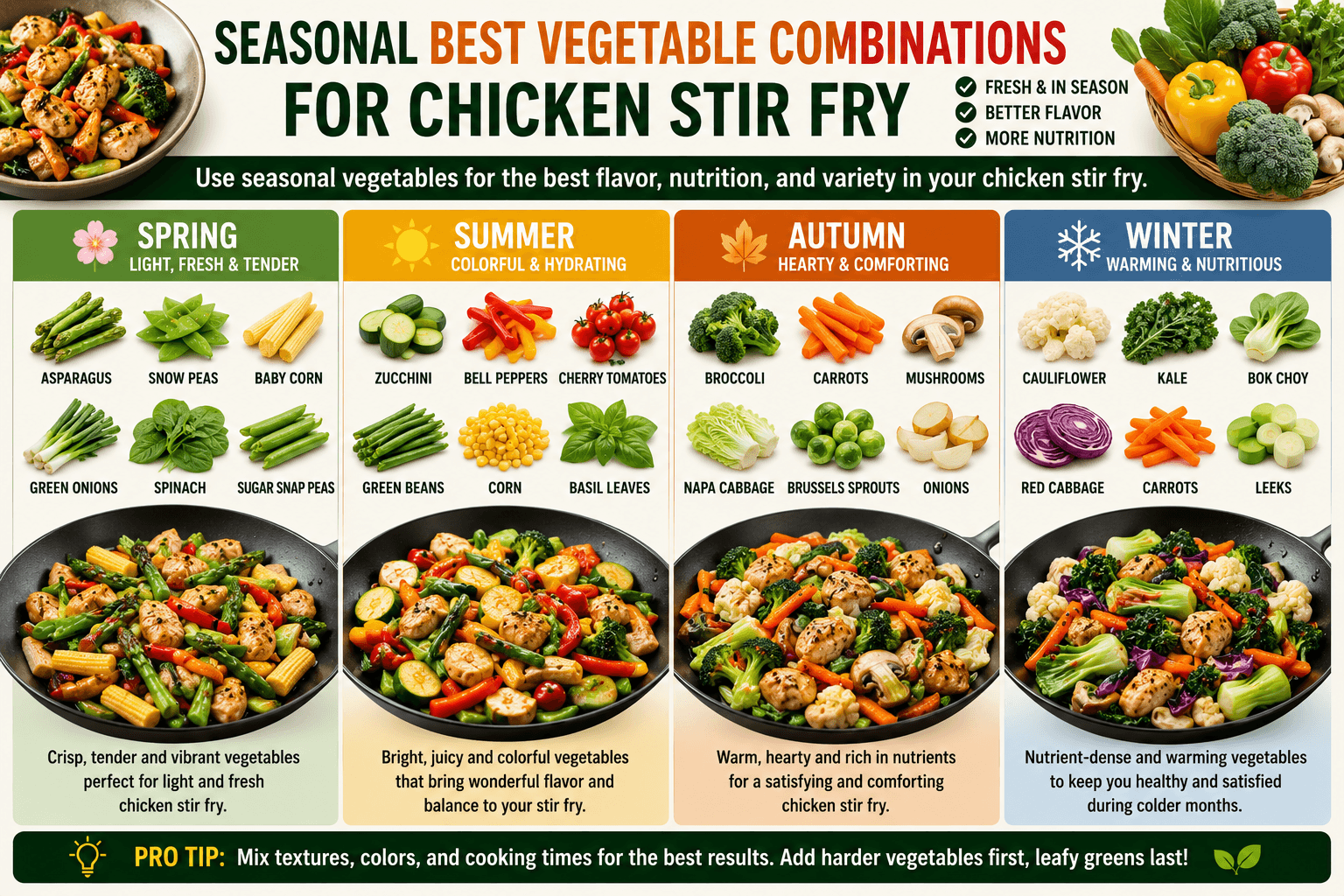
Spring Combination
Spring vegetables are naturally tender and cook quickly, making them ideal for light stir fries.
- Snow peas
- Asparagus
- Baby carrots
- Green onions
This combination creates a fresh, crisp stir fry that pairs perfectly with a light garlic or ginger-based sauce.
Summer Combination
Summer offers colorful vegetables that add sweetness and freshness to every bite.
- Zucchini
- Bell peppers
- Mushrooms
- Sweet corn (optional)
Cook over high heat to keep zucchini from becoming too soft while allowing the peppers to retain their vibrant color.
Fall Combination
During fall, hearty vegetables provide slightly richer flavors while still working well in quick stir fries.
- Broccoli
- Carrots
- Cabbage
- Mushrooms
This is one of the most reliable best vegetable combinations stir fry options because every ingredient complements chicken beautifully.
Winter Combination
Winter vegetables tend to be firmer and benefit from slightly longer cooking times.
- Napa cabbage
- Broccoli
- Carrots
- Onions
Slice dense vegetables thinly so they cook evenly without overcooking the more delicate ingredients.
Kitchen Secret: Buying vegetables that are in season often improves flavor naturally, meaning you can rely less on heavy sauces while still creating a delicious chicken stir fry.
Common Mistakes That Ruin Vegetable Combinations
Even when using the best vegetable combinations stir fry, a few common cooking mistakes can leave vegetables soggy, bland, or unevenly cooked. Fortunately, these problems are easy to avoid with proper preparation.
Adding Everything at Once
Vegetables cook at different speeds. Adding carrots, broccoli, spinach, and mushrooms to the wok at the same time almost guarantees uneven results. Always start with the firmest vegetables and finish with the quickest-cooking ones.
Overcrowding the Wok
Too many vegetables lower the pan’s temperature, causing them to steam instead of stir-fry. Cook in batches if necessary to maintain high heat.
Cutting Vegetables into Different Sizes
Large broccoli florets and tiny carrot slices won’t finish cooking together. Keeping vegetables in similar-sized pieces helps them cook evenly.
Using Too Much Sauce
Excess sauce creates steam, making vegetables soft instead of crisp. Add only enough sauce to lightly coat the ingredients.
Warning: Avoid cooking vegetables until they become completely soft. A proper chicken stir fry should have crisp-tender vegetables that still retain their natural color and slight crunch.
For additional preparation tips, visit our complete guide to the ultimate stir fry vegetable preparation guide.
Sample Vegetable Combinations to Try at Home
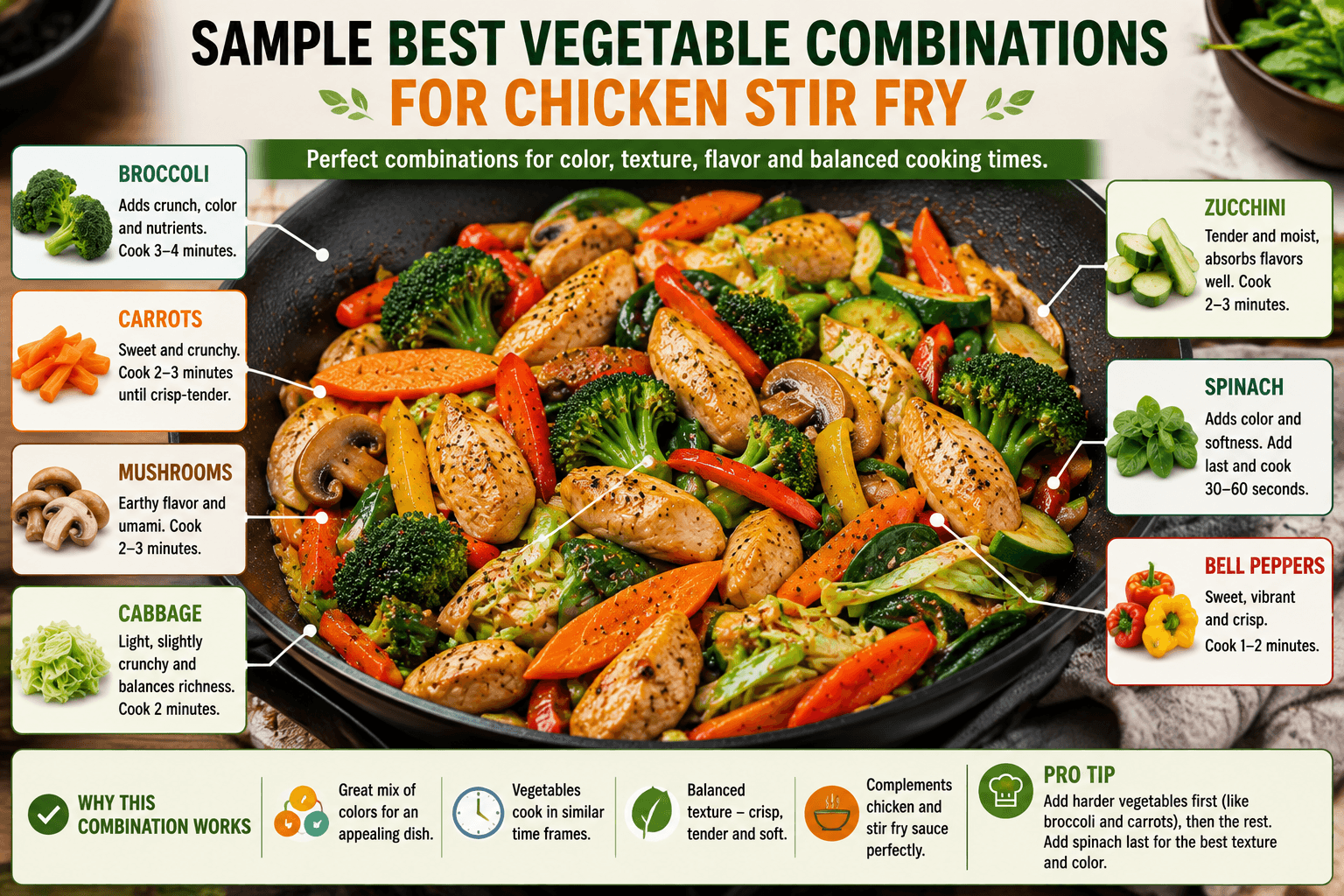
If you’re unsure where to start, these tried-and-tested combinations make it easy to prepare a delicious chicken stir fry. Each pairing has been chosen because the vegetables complement one another in flavor, texture, and cooking time, making them excellent examples of the best vegetable combinations stir fry.
| Combination | Texture | Flavor Profile | Best For |
|---|---|---|---|
| Broccoli + Carrots + Bell Peppers | Crisp and colorful | Sweet and savory | Classic family dinners |
| Mushrooms + Snow Peas + Onions | Tender with crunch | Earthy and fresh | Light meals |
| Cabbage + Carrots + Mushrooms | Crunchy and hearty | Mild and savory | Meal prep |
| Zucchini + Mushrooms + Bell Peppers | Soft with crisp edges | Fresh and slightly sweet | Summer dinners |
| Spinach + Bell Peppers + Mushrooms | Tender and juicy | Light and flavorful | Quick weeknight meals |
| Broccoli + Cabbage + Carrots | Crisp-tender | Balanced and hearty | High-volume healthy meals |
These combinations can easily be customized based on what’s available in your refrigerator. As long as you match vegetables with similar cooking times, you’ll consistently create the best vegetable combinations stir fry for your family.
Advantages of Mixing Vegetables
- Creates balanced flavor and texture.
- Adds more color and visual appeal.
- Provides a wider variety of nutrients.
- Makes meals more satisfying.
- Allows seasonal flexibility.
- Works well for meal prep.
Potential Challenges
- Vegetables cook at different speeds.
- Requires a little preparation before cooking.
- Too many vegetables can overcrowd the wok.
- Incorrect cutting sizes lead to uneven cooking.
- Some vegetables release excess moisture.
Frequently Asked Questions
What is the best vegetable combination for chicken stir fry?
One of the most popular best vegetable combinations stir fry includes broccoli, carrots, and bell peppers. This trio offers crisp texture, natural sweetness, vibrant color, and cooks evenly with chicken.
How many vegetables should I use in a stir fry?
Using three to five different vegetables usually creates the best balance of flavor, texture, and nutrition without overcrowding the pan.
Can I mix fresh and frozen vegetables?
Yes. Fresh vegetables generally provide the best texture, but frozen vegetables can save preparation time. Cook frozen vegetables over high heat to reduce excess moisture.
Which vegetables should be cooked first?
Dense vegetables like carrots and broccoli should go into the wok first, followed by medium-textured vegetables such as mushrooms and cabbage. Quick-cooking vegetables like spinach should always be added last.
Can I prepare vegetable combinations ahead of time?
Absolutely. Wash, cut, and store vegetables in airtight containers in the refrigerator for several days, making weeknight stir fry preparation much faster.
Final Thoughts
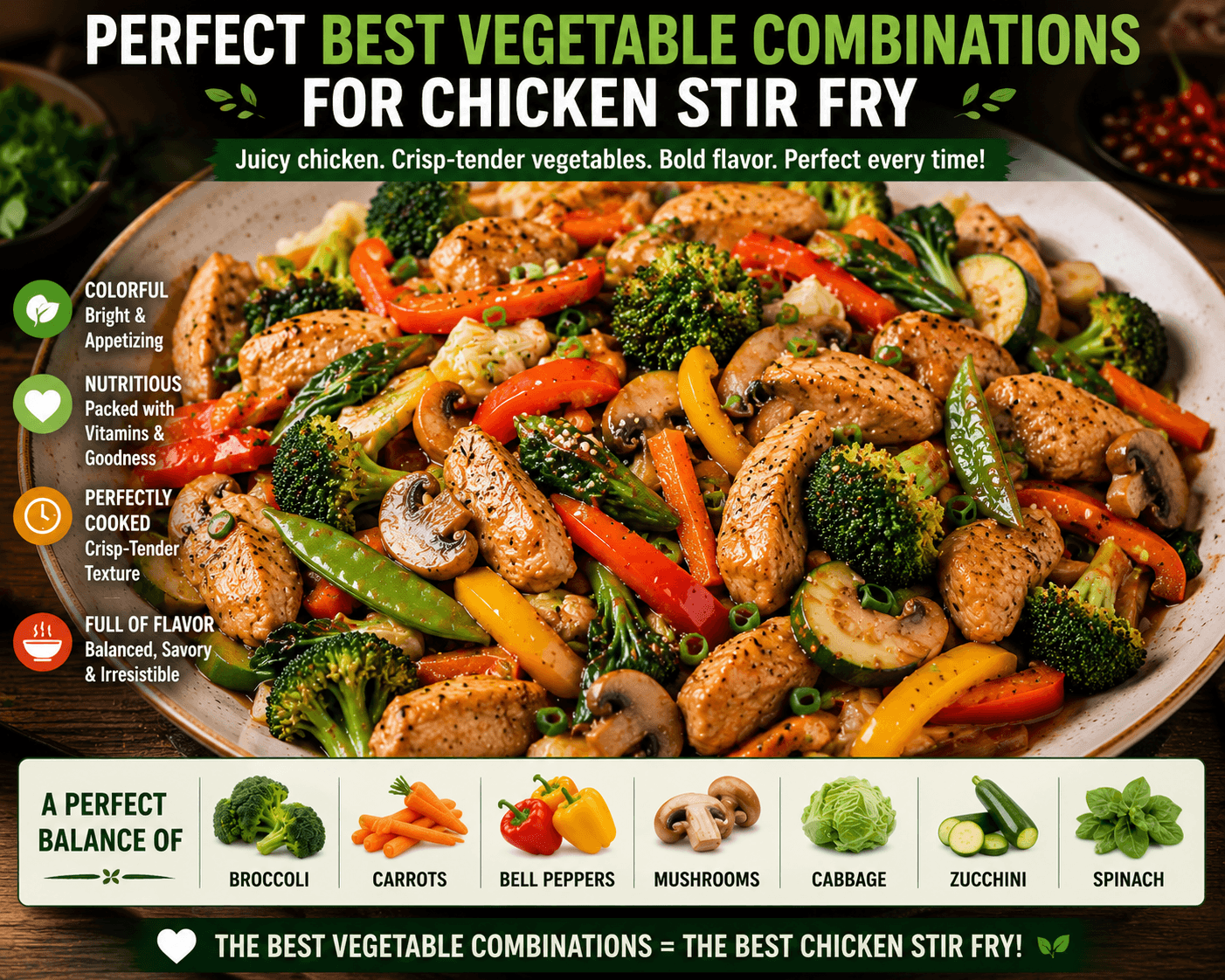
Finding the best vegetable combinations stir fry is less about following strict rules and more about understanding how vegetables work together. When you combine ingredients with similar cooking times, contrasting textures, and complementary flavors, every stir fry becomes more colorful, balanced, and enjoyable.
Broccoli, carrots, bell peppers, mushrooms, cabbage, zucchini, spinach, and snow peas are all excellent choices. Mixing them thoughtfully allows each vegetable to keep its natural texture while absorbing the rich flavors of your favorite stir fry sauce.
Don’t be afraid to experiment with seasonal produce and adjust combinations based on what’s fresh and available. As you become familiar with cooking times and flavor pairings, creating delicious homemade chicken stir fry becomes quicker and easier. Before long, you’ll be able to build your own favorite best vegetable combinations stir fry with confidence.
🍽️ You Might Also Like
📧 Save This Recipe For Later
Enter your email and we will send this recipe directly to your inbox.