
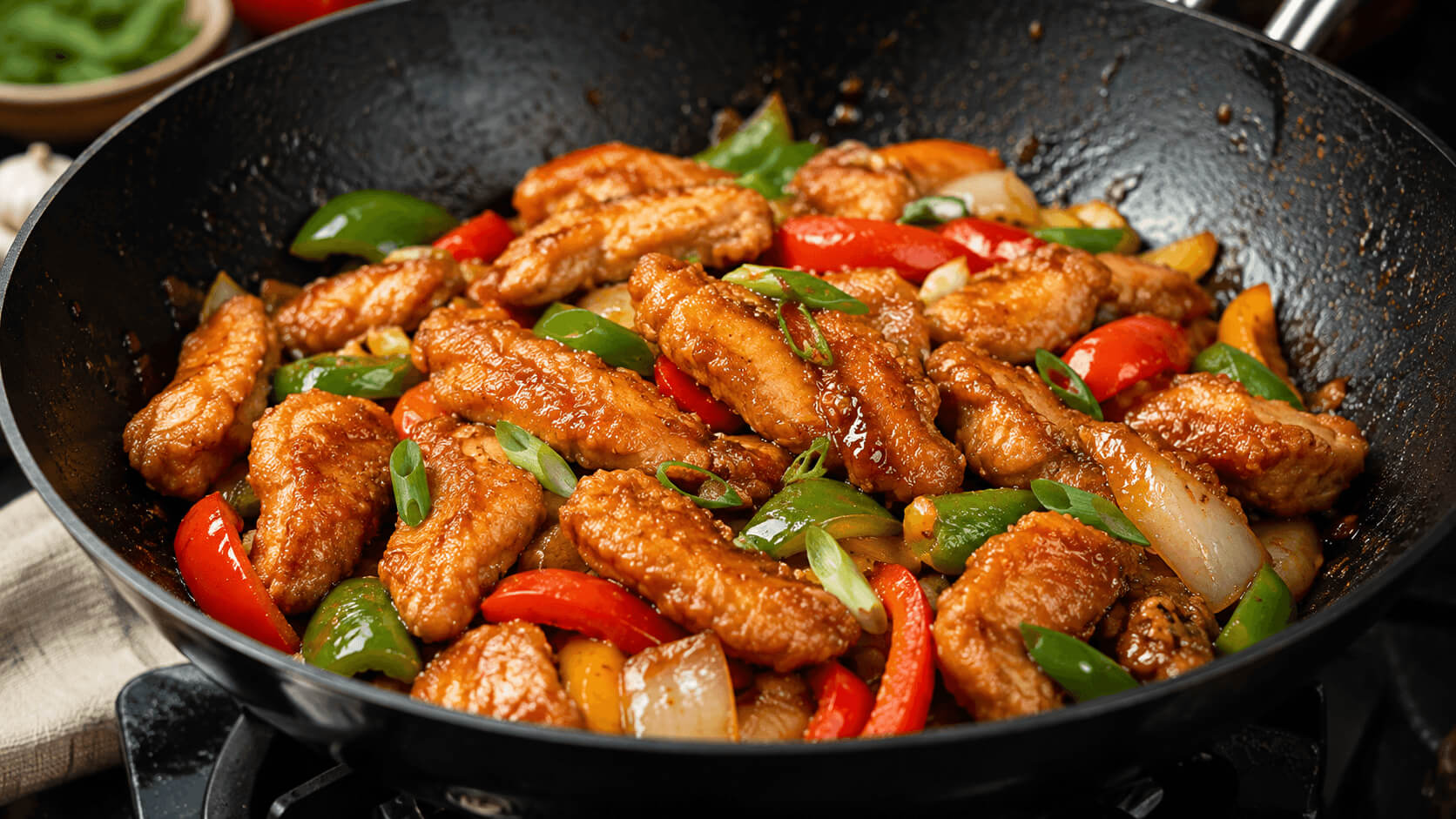
How to Get Crispy Chicken in a Stir Fry Without Deep Frying
How to Get Crispy Chicken in a Stir Fry Without Deep Frying
Many home cooks love the crispy texture of restaurant-style chicken stir fry but assume deep frying is the only way to achieve it. Fortunately, that’s not true. With the right preparation, coating, cooking technique, and heat management, you can make a delicious crispy chicken stir fry using only a wok or skillet and a small amount of oil.
The secret isn’t simply cooking the chicken longer. Crispy chicken comes from removing surface moisture, using a light starch coating, heating the pan properly, and allowing the chicken to brown before stirring. These simple techniques create a flavorful golden crust while keeping the inside tender and juicy.
In this guide, you’ll learn exactly how to make crispy chicken stir fry without deep frying, why each step works, the most common mistakes to avoid, and expert tips that help you achieve restaurant-quality results in your own kitchen.
Quick Answer
To make crispy chicken stir fry without deep frying, pat the chicken dry, coat it lightly with cornstarch, heat a wok or skillet until very hot, add a thin layer of high-smoke-point oil, and cook the chicken in a single layer without moving it for the first 2–3 minutes. Flip only after a golden crust forms, then finish cooking before adding vegetables and sauce.
- Dry the chicken thoroughly before seasoning.
- Use a light cornstarch coating instead of batter.
- Cook over high heat.
- Avoid overcrowding the pan.
- Brown first, then stir.
- Add sauce only after the chicken becomes crispy.
Table of Contents
What You’ll Learn in This Guide
If your goal is making crispy chicken stir fry without using a deep fryer, this article is designed specifically for you. Rather than focusing on a recipe, we’ll explain the cooking techniques that professional chefs use to develop a crisp exterior while keeping the chicken moist and tender inside.
You’ll discover how moisture affects browning, why starch creates a better crust than flour, how pan temperature changes the final texture, and when to add vegetables and sauce without ruining the crispiness you’ve worked hard to achieve.
These techniques work whether you’re preparing a classic chicken stir fry, garlic chicken stir fry, honey garlic chicken stir fry, teriyaki chicken stir fry, or a vegetable-packed version.
Why Crispy Chicken Is Difficult to Achieve at Home
Many people think their stove simply isn’t hot enough. While heat certainly matters, it’s usually not the biggest reason homemade stir fry lacks texture. The real problem is excess moisture.
Fresh chicken naturally contains a significant amount of water. If that moisture isn’t removed before cooking, it quickly turns into steam once it hits the hot pan. Instead of browning, the chicken begins to steam, preventing the Maillard reaction that creates a crispy golden crust.
Another common issue is adding sauce too early. Stir fry sauces contain water, soy sauce, sugar, and other liquids that immediately soften the exterior coating. That’s why professional kitchens always brown the chicken first and add sauce only during the final stage of cooking.
Kitchen Tip: For the best crispy chicken stir fry, use paper towels to dry every piece of chicken before seasoning. Even a small amount of surface moisture can dramatically reduce browning.
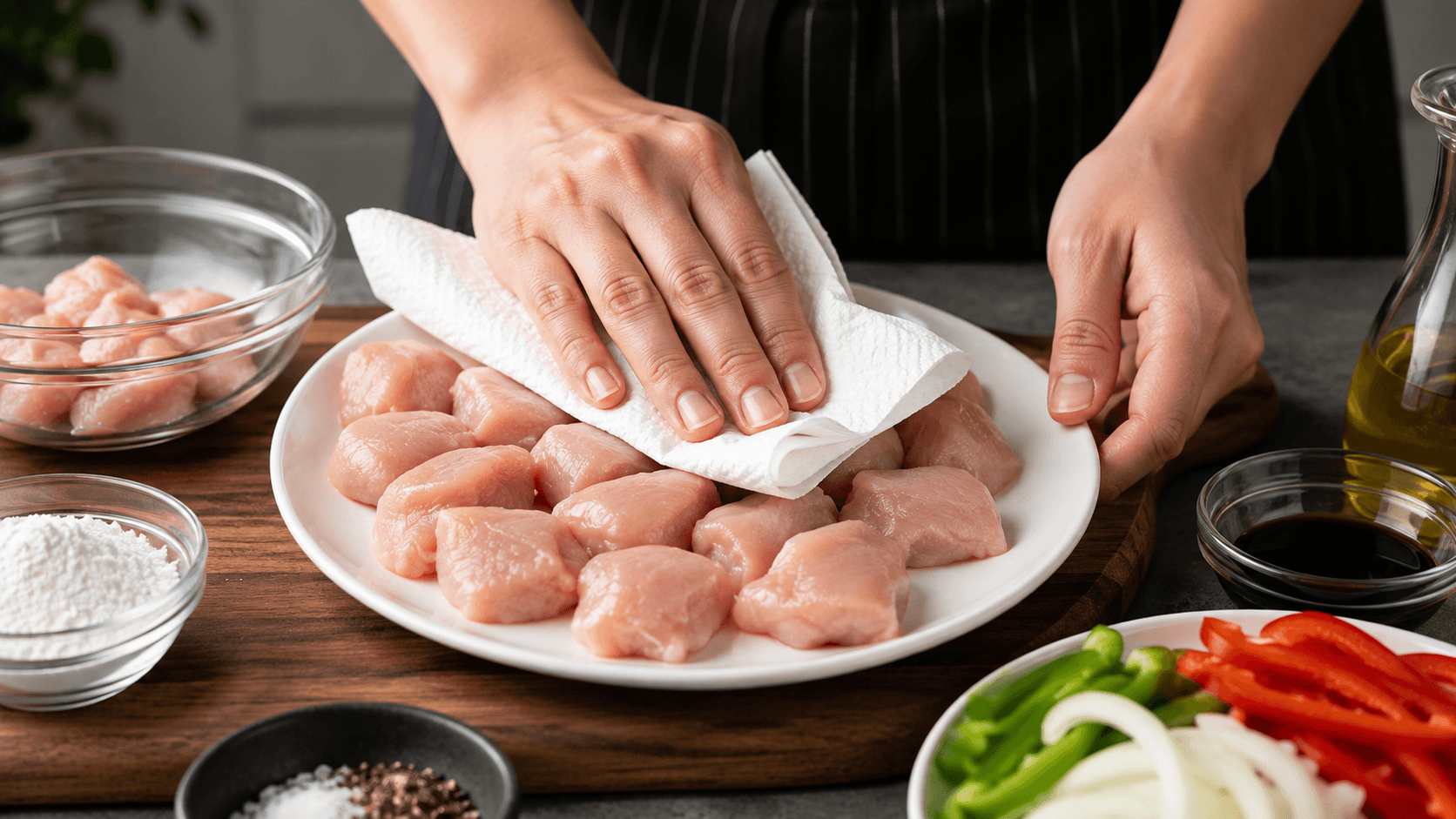
Restaurant Kitchens Control Moisture First
Professional chefs understand that crispiness begins before the pan is even heated. They remove excess moisture, cut the chicken into evenly sized pieces, and apply a thin starch coating that protects the meat while encouraging even browning.
This combination allows the outside of the chicken to become lightly crisp while the inside stays juicy. Unlike thick batters used for deep frying, a light coating works perfectly for crispy chicken stir fry because it doesn’t overpower the chicken or become greasy.
Once the chicken develops a golden crust, it can be combined with vegetables and sauce while still maintaining much of its crisp texture.
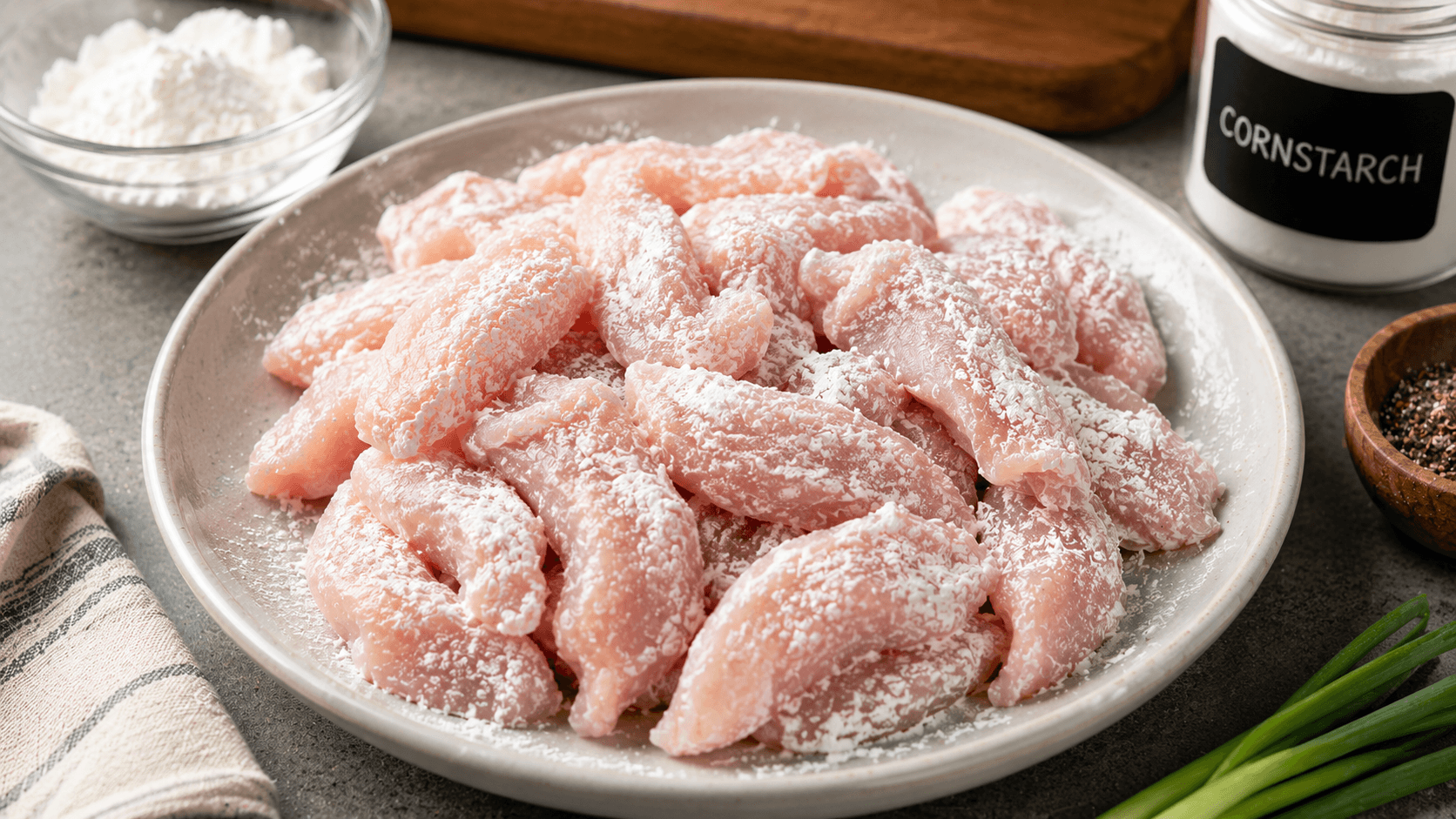
The Science Behind Crispy Chicken Stir Fry
Understanding why chicken becomes crispy makes it much easier to repeat great results every time. Restaurant-quality texture isn’t created by luck—it comes from controlling moisture, heat, starch, and cooking time.
When chicken is exposed to high heat, the proteins on the surface begin to brown through the Maillard reaction. This reaction creates the rich golden color, savory flavor, and light crispness that people associate with an excellent crispy chicken stir fry.
If too much moisture is present, the pan temperature drops and water begins to steam instead of evaporating. Because the surface stays wet, browning slows dramatically, leaving the chicken pale and rubbery instead of crisp.
Chef’s Secret: Crispy chicken isn’t about cooking longer. It’s about creating dry surface heat. A hot pan, dry chicken, and minimal stirring produce far better results than simply increasing the cooking time.
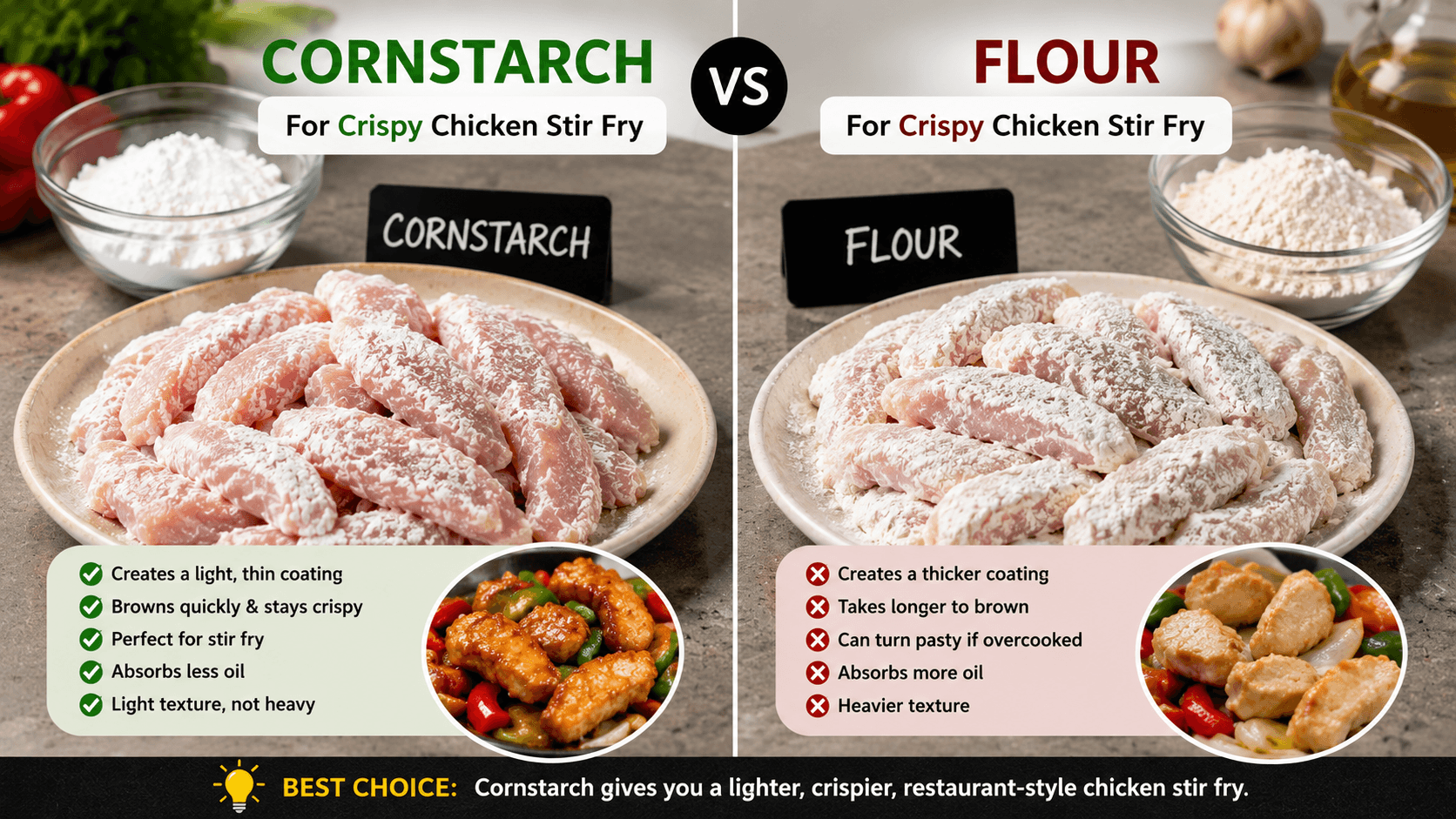
Why Cornstarch Creates Better Crispiness Than Flour
Cornstarch is the coating of choice in many Asian kitchens because it absorbs surface moisture while creating an extremely thin layer around the chicken. During cooking, this layer quickly dries and becomes lightly crisp without feeling heavy.
Flour contains proteins that develop differently under heat, producing a thicker coating that works well for fried chicken but is less suitable for stir frying. Since stir fry cooks quickly, cornstarch forms a lighter crust that remains crisp even after sauce is added.
| Coating | Texture | Best For | Recommended? |
|---|---|---|---|
| Cornstarch | Light and crispy | Stir fry | ★★★★★ |
| Potato starch | Extra crispy | Restaurant-style stir fry | ★★★★★ |
| All-purpose flour | Heavier crust | Pan frying | ★★★☆☆ |
| Rice flour | Very light texture | Gluten-free cooking | ★★★★☆ |
For most home kitchens, cornstarch offers the easiest and most consistent way to achieve crispy chicken stir fry without deep frying.
How to Prepare Chicken for Maximum Crispiness
Preparation determines whether your chicken browns beautifully or turns soft and watery. Spending just a few extra minutes before cooking makes a noticeable difference.
1. Choose the Right Cut
Boneless skinless chicken thighs generally produce the crispiest results because they contain slightly more fat than chicken breast. The extra fat helps keep the meat juicy while allowing the outside to brown evenly.
Chicken breast also works well if cooked correctly, but because it is leaner, it benefits from careful slicing and shorter cooking times.
Tip: Slice chicken into pieces about ¼ inch thick. Uniform pieces cook at the same rate, preventing some from drying out while others remain undercooked.
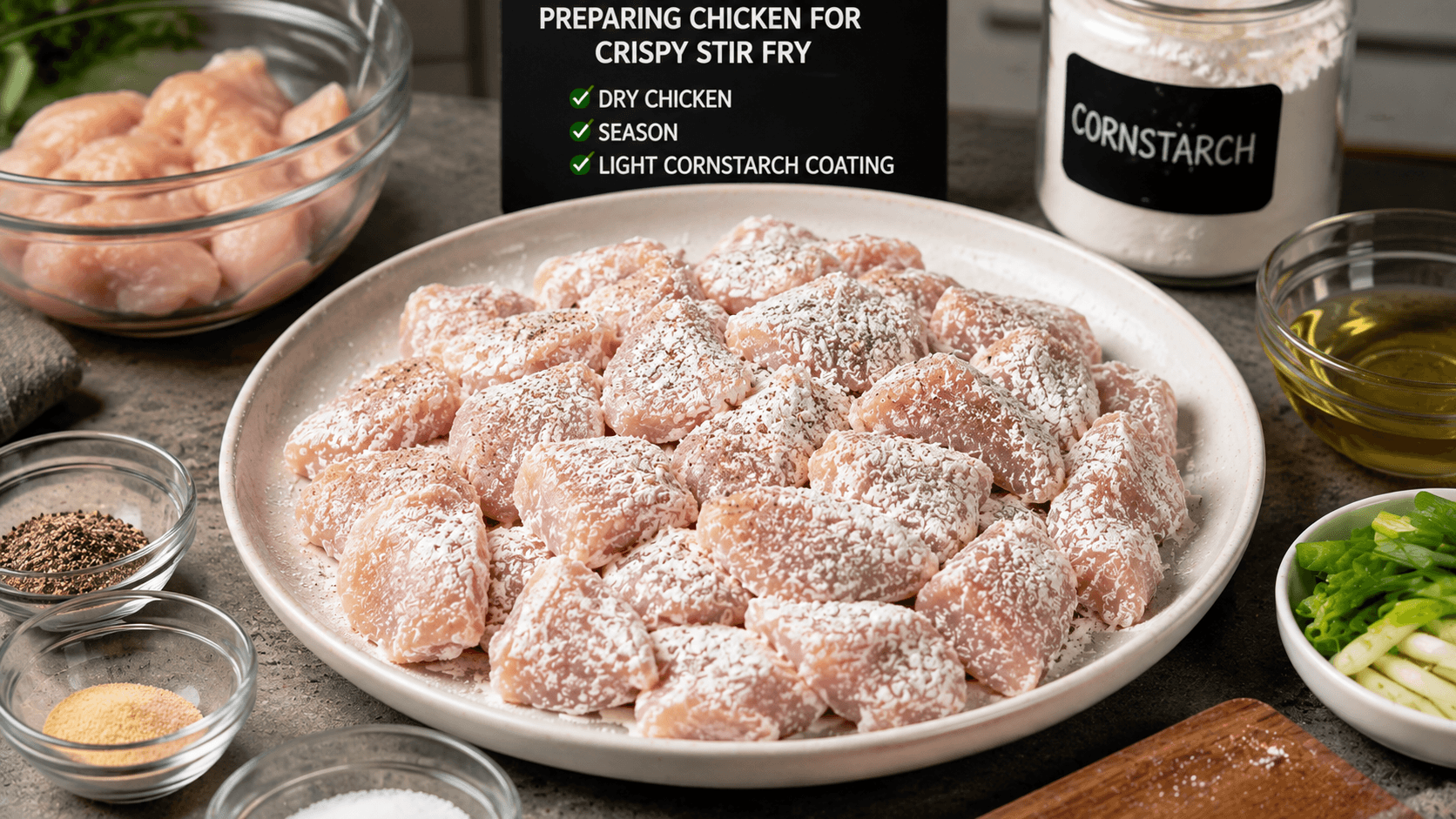
2. Dry Every Piece Thoroughly
Pat the chicken dry using paper towels before adding any seasoning or starch. Removing excess moisture is one of the simplest ways to improve browning.
Skipping this step often causes the pan temperature to drop as water evaporates, leading to steaming instead of crisping.
3. Season Before Coating
Season the chicken lightly with salt, pepper, garlic powder, or your preferred spices before adding cornstarch. This allows the seasoning to stick directly to the meat rather than remaining on the outside of the coating.
Avoid using too much liquid marinade if your goal is an especially crispy chicken stir fry. Excess liquid prevents the starch from adhering evenly.
4. Apply Only a Thin Layer of Cornstarch
Add just enough cornstarch to lightly coat every piece of chicken. Shake off any excess before cooking.
A thick coating may appear attractive before cooking, but it often absorbs oil unevenly and becomes gummy once sauce is added.
The Best Cooking Technique for Crispy Chicken Without Deep Frying
Once the chicken is prepared correctly, cooking technique becomes the final step toward achieving a perfect crispy chicken stir fry.
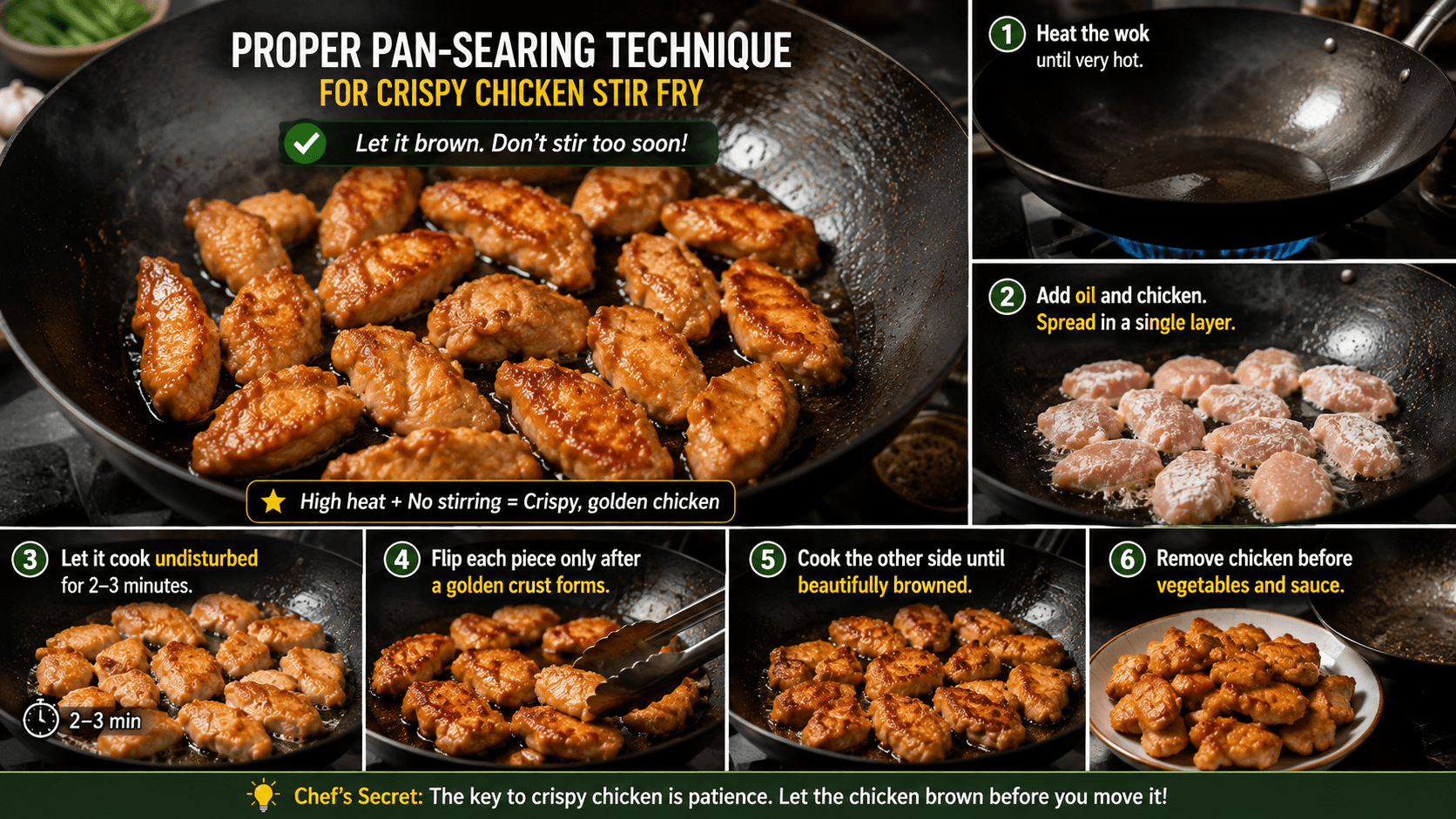
- Preheat a wok or heavy skillet until very hot.
- Add a small amount of high-smoke-point oil such as avocado, peanut, or canola oil.
- Spread the chicken into a single layer.
- Leave it untouched for 2–3 minutes.
- Turn each piece only after a golden crust develops.
- Cook the opposite side until browned.
- Remove the chicken before cooking vegetables.
- Add the chicken back during the final minute with the sauce.
One of the biggest mistakes home cooks make is constantly stirring the chicken. While stir frying involves movement, browning requires direct contact with the hot pan. Allowing the chicken to remain still for the first few minutes creates the crisp exterior you’re looking for.
Restaurant Technique: Professional chefs often cook chicken separately from vegetables. This prevents moisture released by vegetables from softening the crispy coating before serving.
Common Mistakes That Prevent Crispy Chicken
Even with quality ingredients, a few small mistakes can turn a promising crispy chicken stir fry into chicken that is soft, pale, or soggy. Fortunately, these issues are easy to avoid once you know what causes them.
1. Overcrowding the Pan
Placing too much chicken in the wok at once is the number one reason chicken fails to crisp. Every piece releases moisture as it cooks. When the pan is overcrowded, that moisture becomes trapped, lowering the pan temperature and steaming the chicken instead of browning it.
If you’re cooking more than one pound of chicken, work in batches. Although this adds a few extra minutes, the final texture is dramatically better.
Avoid This: If the chicken pieces touch or overlap in the pan, they’re too crowded. Leave small gaps so heat can circulate around each piece.
2. Stirring Too Soon
Many people assume stir fry means constantly moving the food. In reality, the chicken needs uninterrupted contact with the hot surface to form a crust. Moving it too early tears the coating away before it has time to brown.
Allow each side to cook until it naturally releases from the pan before turning it.
3. Using Too Much Sauce
Sauce adds incredible flavor, but it also introduces moisture. Pouring sauce over the chicken before it develops a crust softens the coating almost immediately.
For the crispiest crispy chicken stir fry, cook the chicken completely first, remove it from the pan, stir fry the vegetables, then combine everything with the sauce during the final minute.
4. Cooking Over Medium Heat
Medium heat rarely provides enough energy for proper browning. Instead, moisture accumulates faster than it evaporates, leaving the chicken gray rather than golden.
High heat is one of the defining characteristics of authentic stir frying because it encourages fast evaporation and rapid browning.
5. Starting with a Cold Pan
Adding chicken before the pan reaches full temperature allows the meat to slowly release moisture before browning begins.
Always preheat your wok or skillet first. When the oil shimmers slightly, it’s ready for the chicken.
Expert Tips for Restaurant-Style Crispy Chicken Stir Fry
Professional kitchens rely on small details that consistently improve texture. These techniques don’t require special equipment—just a little attention to timing and preparation.
Chef’s Secret #1: Chill coated chicken in the refrigerator for 10–15 minutes before cooking. This helps the cornstarch adhere better and promotes more even browning.
Chef’s Secret #2: Use a carbon steel wok whenever possible. It heats quickly, maintains high temperatures, and creates better browning than many nonstick pans.
Chef’s Secret #3: Toss the chicken with sauce only long enough to coat it. Prolonged simmering softens the crispy exterior.
Extra Tip: If you enjoy extra crunch, mix a small amount of potato starch with cornstarch. Potato starch produces an even lighter, crispier coating that’s popular in many restaurant kitchens.
Best Oils for Crispy Stir Fry Chicken
The oil you choose affects both browning and flavor. Oils with high smoke points allow you to cook over high heat without burning.
| Oil | Smoke Point | Flavor | Best Use |
|---|---|---|---|
| Avocado Oil | Very High | Neutral | ★★★★★ |
| Peanut Oil | High | Light Nutty | ★★★★★ |
| Canola Oil | High | Neutral | ★★★★☆ |
| Grapeseed Oil | High | Neutral | ★★★★☆ |
| Olive Oil (Extra Virgin) | Medium | Strong | ★★☆☆☆ |
Pros and Cons of Cooking Crispy Chicken Without Deep Frying
Pros
- Uses much less oil.
- Lower in calories than deep frying.
- Quick cooking time.
- Easy cleanup.
- Crispy exterior with juicy interior.
- Works in a regular skillet or wok.
Cons
- Requires careful heat control.
- May need to cook in batches.
- Sauce can reduce crispiness if added too early.
- Timing is more important than deep frying.
How to Keep Crispy Chicken Crispy After Cooking
After spending time creating perfectly browned chicken, you’ll want to preserve that texture until serving.
- Keep cooked chicken on a wire rack instead of a plate.
- Add sauce only at the end.
- Serve immediately after combining with vegetables.
- Avoid covering the pan with a lid, which traps steam.
- Cook vegetables separately if they release large amounts of water.
Storage & Reheating
Store leftover chicken stir fry in an airtight container in the refrigerator for up to 4 days. For the best texture, reheat in a hot skillet or air fryer rather than a microwave. Dry heat helps restore some of the crispy coating, while microwaving softens it.
Frequently Asked Questions
Can you make crispy chicken stir fry without deep frying?
Yes. You can make crispy chicken stir fry by drying the chicken thoroughly, coating it lightly with cornstarch, cooking over high heat, and allowing each side to brown before stirring. These techniques create a crisp exterior using only a small amount of oil.
Why isn’t my chicken getting crispy in a stir fry?
The most common reasons are excess moisture, overcrowding the pan, stirring too frequently, cooking over low heat, or adding the sauce too early. Eliminating these problems will significantly improve the texture.
Is cornstarch or flour better for crispy chicken stir fry?
Cornstarch is generally the better choice for crispy chicken stir fry because it creates a lighter, crispier coating that browns quickly and doesn’t become as heavy as flour.
Can I use chicken breast instead of chicken thighs?
Absolutely. Chicken breast works very well when sliced evenly and cooked over high heat. Because it contains less fat than thighs, avoid overcooking it to keep the meat juicy.
When should I add the stir fry sauce?
Add the sauce only after the chicken has fully browned and the vegetables are cooked. Toss everything together for the final minute of cooking to preserve as much crispiness as possible.
Can I prepare the chicken ahead of time?
Yes. You can season and coat the chicken with cornstarch up to a few hours in advance. Store it covered in the refrigerator until you’re ready to cook.
Final Thoughts
Making restaurant-quality crispy chicken stir fry doesn’t require a deep fryer or large amounts of oil. Instead, it comes down to understanding a few simple cooking principles: remove excess moisture, apply a light starch coating, cook over high heat, avoid overcrowding the pan, and wait until the chicken develops a golden crust before stirring.
These techniques work with virtually any stir fry variation, whether you’re preparing garlic chicken, honey garlic chicken, teriyaki chicken, or a vegetable-packed weeknight dinner. Once you master these fundamentals, you’ll consistently enjoy crispy, juicy chicken with the rich flavor and texture usually found only in restaurant kitchens.
🍽️ You Might Also Like


📧 Save This Recipe For Later
Enter your email and we will send this recipe directly to your inbox.