
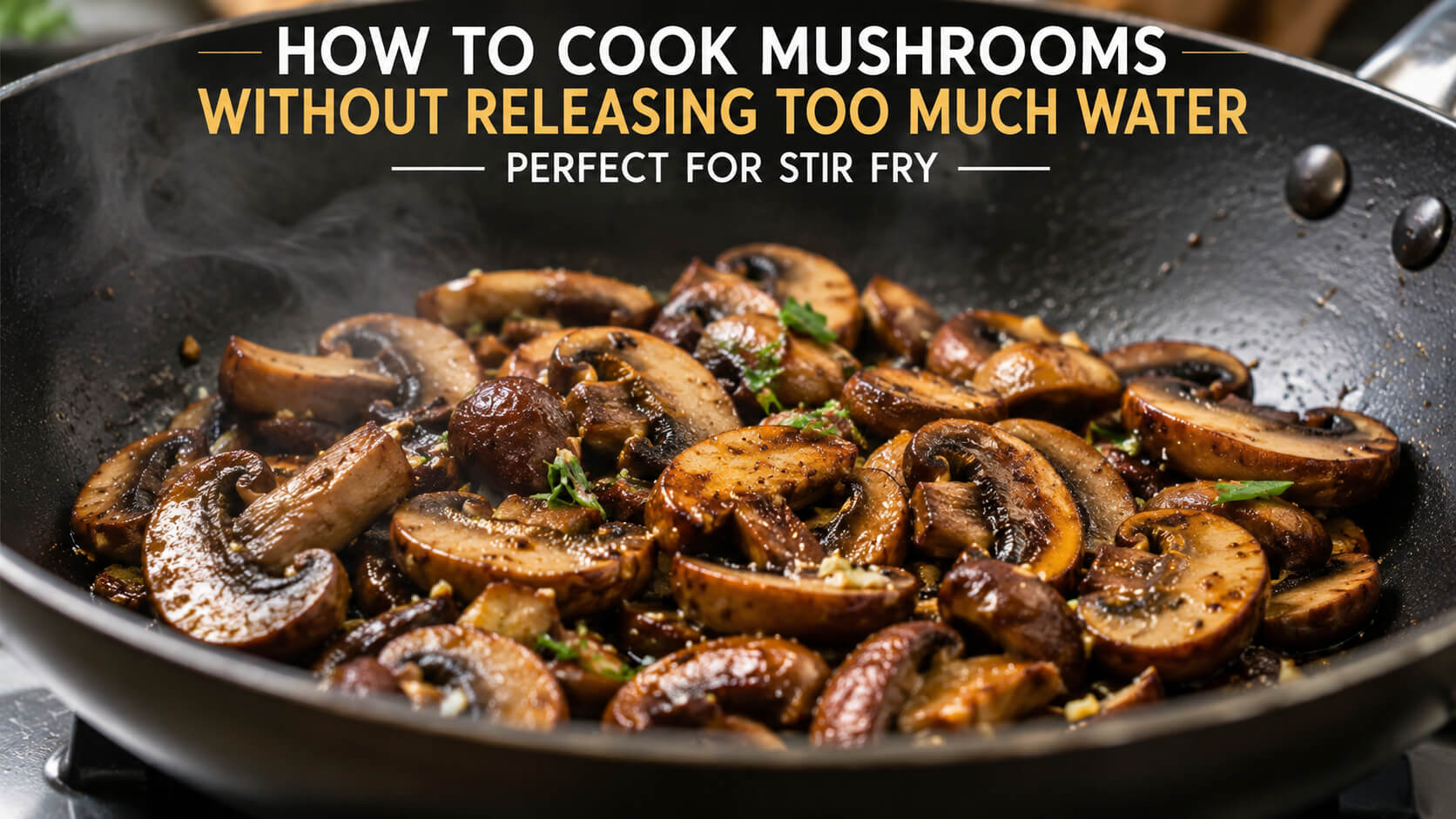
How to Cook Mushrooms Without Releasing Too Much Water
How to Cook Mushrooms Without Releasing Too Much Water
Mushrooms can make any stir fry richer, heartier, and more flavorful, but they often create one frustrating problem—they release a surprising amount of water while cooking. Instead of developing a beautifully browned surface, they begin to steam, leaving your vegetables soft and your sauce watery. Fortunately, this problem is easy to avoid once you understand how mushrooms behave during cooking.
If you want to cook mushrooms for stir fry successfully, the goal is to encourage browning before moisture has a chance to collect in the pan. Choosing the right pan, using high heat, avoiding overcrowding, and resisting the urge to stir constantly all help mushrooms caramelize instead of steam. These small changes can dramatically improve both texture and flavor.
This guide explains why mushrooms release so much liquid, how professional cooks prevent soggy results, and the best techniques for achieving perfectly browned mushrooms every time. Whether you’re making a quick weeknight dinner or preparing a restaurant-style meal, these tips will help you create better stir fries with confidence.
Quick Answer
To cook mushrooms for stir fry without releasing too much water, heat a wide skillet or wok until very hot, add a small amount of oil, and spread the mushrooms in a single layer. Avoid overcrowding the pan and let the mushrooms cook undisturbed for several minutes before stirring. High heat allows moisture to evaporate quickly, helping the mushrooms brown instead of steam.
- Use high heat.
- Cook in a single layer.
- Do not overcrowd the pan.
- Avoid adding salt too early.
- Wait until mushrooms are browned before combining them with other vegetables.
Table of Contents
Why Do Mushrooms Release So Much Water?
Mushrooms naturally contain a large amount of water—typically around 85 to 92 percent of their weight. As soon as they hit a hot pan, the cell walls begin to break down and release that moisture. If the liquid cannot evaporate quickly enough, the mushrooms end up boiling in their own juices rather than browning.
This is one of the biggest reasons home cooks struggle to cook mushrooms for stir fry. Instead of developing a rich golden color and deep umami flavor, the mushrooms become pale, rubbery, and soft.
Tip: A wide pan gives moisture more space to evaporate. The faster water escapes, the faster mushrooms begin to brown.
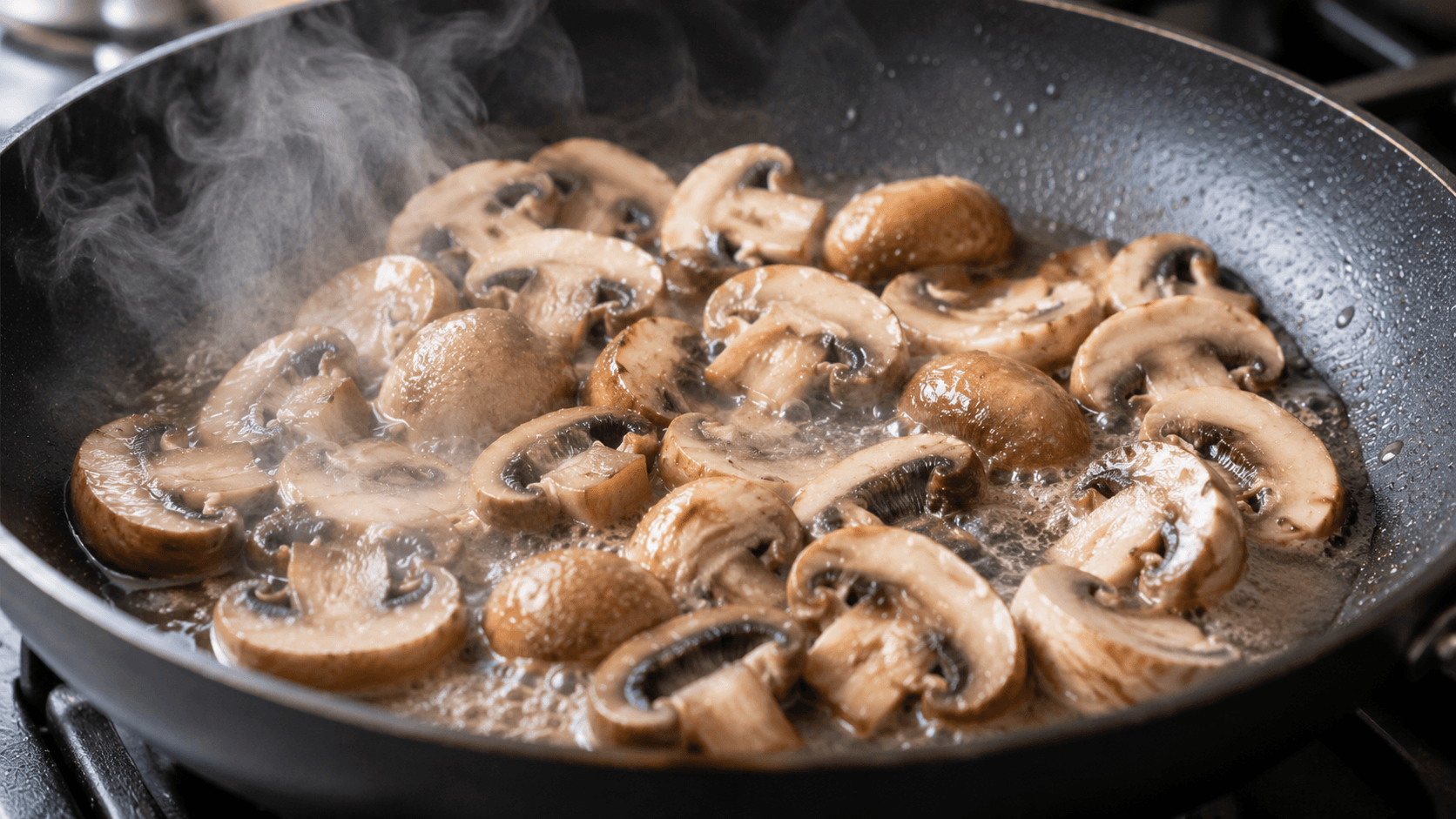
Several factors influence how much liquid mushrooms release during cooking, including the variety you choose, how fresh they are, the size of your pan, and the cooking temperature. Understanding these factors makes it much easier to produce restaurant-quality stir fry at home.
If you’re still deciding which variety works best, our guide on Best Mushrooms for Chicken Stir Fry compares the most popular types and explains which ones hold their texture best during high-heat cooking.
Once you understand why mushrooms behave this way, the next step is learning exactly how professional chefs keep them beautifully browned instead of soggy.
The Best Way to Cook Mushrooms for Stir Fry
If your goal is to cook mushrooms for stir fry with a rich golden color instead of a watery texture, the cooking method matters more than the type of mushroom you buy. Professional chefs rely on a few simple techniques that allow moisture to evaporate quickly while encouraging caramelization. The result is mushrooms that are meaty, flavorful, and perfectly suited for stir fry.
The biggest mistake is rushing the process. Mushrooms need enough space and heat to release moisture gradually before they begin to brown. If you crowd the pan or lower the temperature, the liquid stays trapped and the mushrooms steam instead of sear.
1. Start With a Hot Pan
Heat your wok or large skillet over medium-high to high heat before adding oil. A properly heated pan instantly begins evaporating surface moisture, helping mushrooms brown more efficiently.
If the pan isn’t hot enough, mushrooms absorb oil while releasing water, creating a greasy and soggy texture.
2. Add Only a Small Amount of Oil
Mushrooms act like tiny sponges when they first enter the pan. Using excessive oil won’t speed up browning—it simply makes the mushrooms oily. One or two tablespoons of a high-smoke-point oil is usually enough for an entire batch.
Kitchen Secret: Wait until the mushrooms have released most of their moisture before adding a small splash of additional oil or butter. This helps create a beautifully browned exterior without making the mushrooms greasy.
3. Spread Mushrooms Into a Single Layer
This is one of the most important steps when you cook mushrooms for stir fry. Every mushroom should touch the surface of the pan whenever possible. A single layer allows moisture to evaporate immediately instead of collecting underneath the mushrooms.
If you’re cooking a large quantity, prepare them in two smaller batches rather than piling everything into one pan.
| Cooking Method | Result |
|---|---|
| Single layer | Even browning and faster evaporation |
| Overcrowded pan | Steaming and excess liquid |
| High heat | Golden, flavorful mushrooms |
| Low heat | Soft, pale mushrooms |
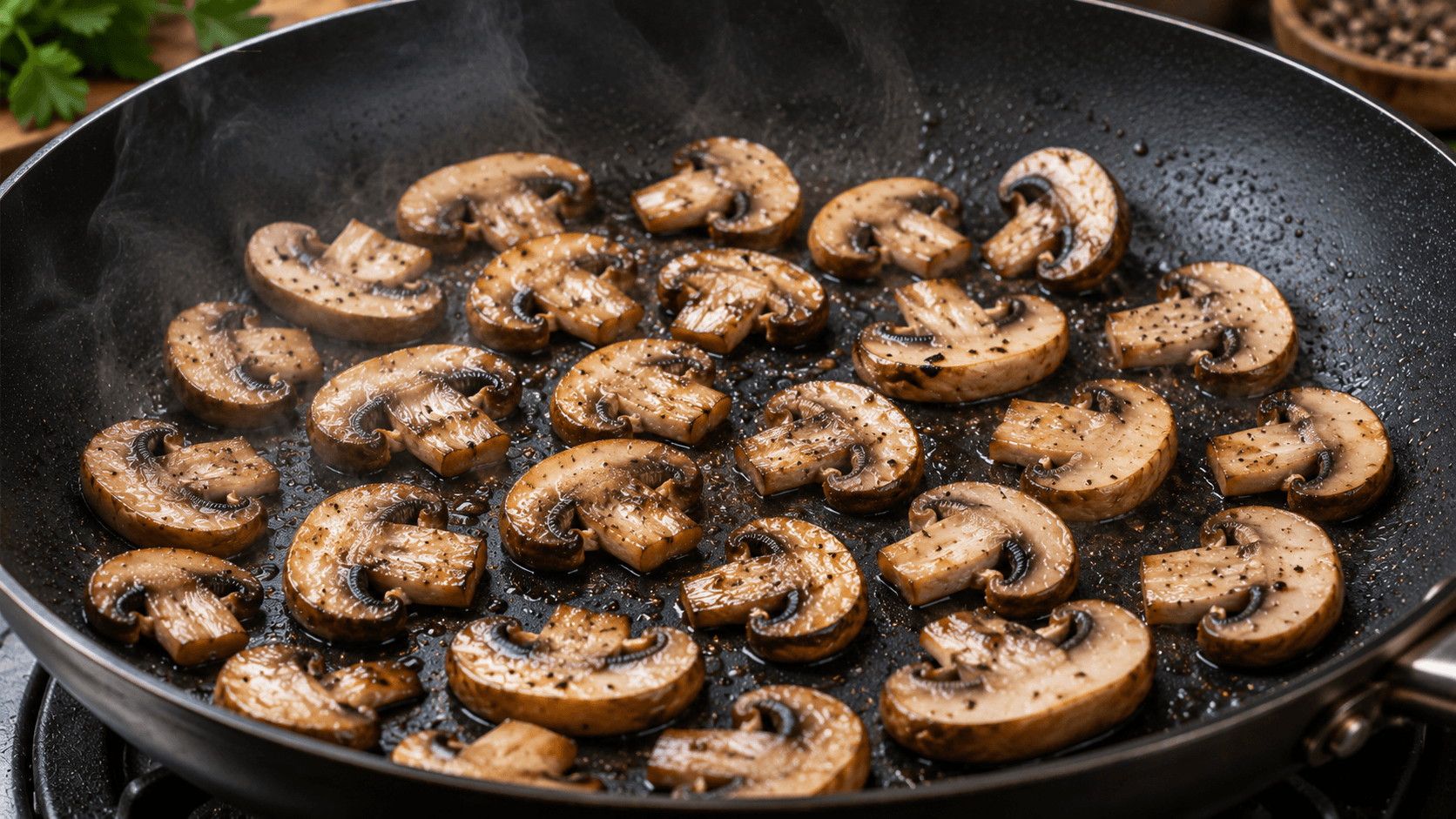
4. Leave Them Alone
Many home cooks stir mushrooms every few seconds. While it seems helpful, constant stirring actually slows browning because the mushrooms never stay in contact with the hot cooking surface long enough to caramelize.
Instead, allow them to cook undisturbed for two to four minutes before flipping or stirring. Once one side develops a deep golden color, continue cooking until the remaining moisture evaporates.
5. Season at the Right Time
Salt naturally draws moisture from vegetables, including mushrooms. Adding salt immediately after placing them in the pan encourages even more water to escape.
For the best results, wait until the mushrooms are lightly browned before seasoning them. This simple adjustment helps maintain better texture while still allowing the seasoning to distribute evenly.
After your mushrooms are perfectly cooked, combine them with the remaining vegetables according to the proper cooking sequence. Our guide on The Correct Order to Add Vegetables to Stir Fry explains how to keep every ingredient crisp-tender instead of overcooked.
Mastering these simple techniques makes it much easier to cook mushrooms for stir fry that taste rich, savory, and restaurant-quality every single time.
The Best Way to Cook Mushrooms for Stir Fry
If your goal is to cook mushrooms for stir fry with a rich golden color instead of a watery texture, the cooking method matters more than the type of mushroom you buy. Professional chefs rely on a few simple techniques that allow moisture to evaporate quickly while encouraging caramelization. The result is mushrooms that are meaty, flavorful, and perfectly suited for stir fry.
The biggest mistake is rushing the process. Mushrooms need enough space and heat to release moisture gradually before they begin to brown. If you crowd the pan or lower the temperature, the liquid stays trapped and the mushrooms steam instead of sear.
1. Start With a Hot Pan
Heat your wok or large skillet over medium-high to high heat before adding oil. A properly heated pan instantly begins evaporating surface moisture, helping mushrooms brown more efficiently.
If the pan isn’t hot enough, mushrooms absorb oil while releasing water, creating a greasy and soggy texture.
2. Add Only a Small Amount of Oil
Mushrooms act like tiny sponges when they first enter the pan. Using excessive oil won’t speed up browning—it simply makes the mushrooms oily. One or two tablespoons of a high-smoke-point oil is usually enough for an entire batch.
Kitchen Secret: Wait until the mushrooms have released most of their moisture before adding a small splash of additional oil or butter. This helps create a beautifully browned exterior without making the mushrooms greasy.
3. Spread Mushrooms Into a Single Layer
This is one of the most important steps when you cook mushrooms for stir fry. Every mushroom should touch the surface of the pan whenever possible. A single layer allows moisture to evaporate immediately instead of collecting underneath the mushrooms.
If you’re cooking a large quantity, prepare them in two smaller batches rather than piling everything into one pan.
| Cooking Method | Result |
|---|---|
| Single layer | Even browning and faster evaporation |
| Overcrowded pan | Steaming and excess liquid |
| High heat | Golden, flavorful mushrooms |
| Low heat | Soft, pale mushrooms |
4. Leave Them Alone
Many home cooks stir mushrooms every few seconds. While it seems helpful, constant stirring actually slows browning because the mushrooms never stay in contact with the hot cooking surface long enough to caramelize.
Instead, allow them to cook undisturbed for two to four minutes before flipping or stirring. Once one side develops a deep golden color, continue cooking until the remaining moisture evaporates.
5. Season at the Right Time
Salt naturally draws moisture from vegetables, including mushrooms. Adding salt immediately after placing them in the pan encourages even more water to escape.
For the best results, wait until the mushrooms are lightly browned before seasoning them. This simple adjustment helps maintain better texture while still allowing the seasoning to distribute evenly.
After your mushrooms are perfectly cooked, combine them with the remaining vegetables according to the proper cooking sequence. Our guide on The Correct Order to Add Vegetables to Stir Fry explains how to keep every ingredient crisp-tender instead of overcooked.
Mastering these simple techniques makes it much easier to cook mushrooms for stir fry that taste rich, savory, and restaurant-quality every single time.
Common Mistakes That Cause Soggy Mushrooms
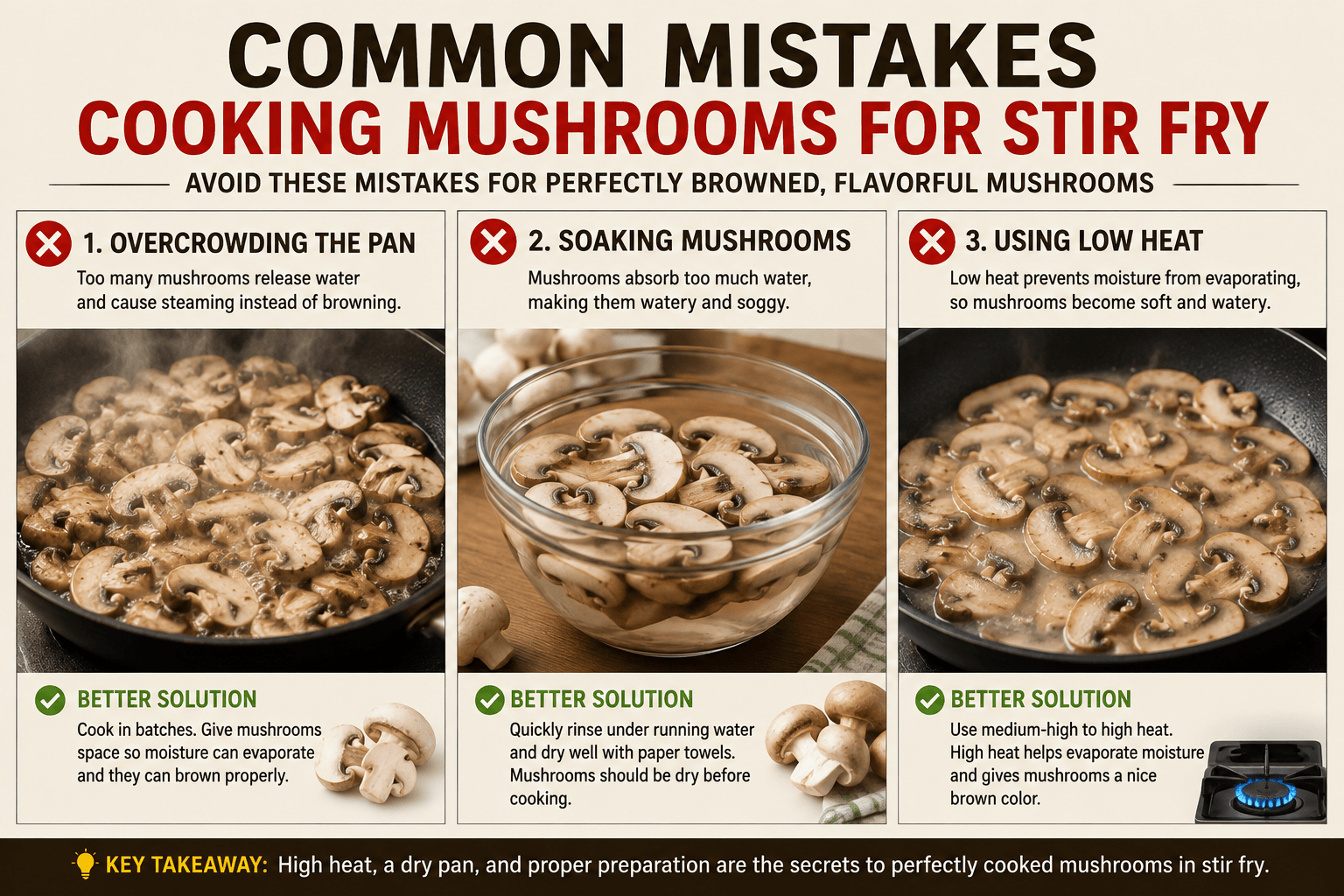
Even with fresh mushrooms and a good recipe, a few common mistakes can leave your stir fry watery and disappointing. Learning what to avoid is just as important as learning how to cook mushrooms for stir fry correctly. Fortunately, each mistake is easy to fix with a few simple adjustments.
If your mushrooms consistently release too much liquid, check whether you’re making one of the following errors.
Overcrowding the Pan
The most common mistake is adding too many mushrooms at once. When mushrooms are piled on top of each other, the steam they release becomes trapped instead of escaping. Rather than browning, the mushrooms simmer in their own liquid.
For best results, cook mushrooms in batches if necessary. Although it takes a few extra minutes, you’ll end up with far better flavor and texture.
Warning: Overcrowding the pan is the number one reason mushrooms become soggy. If you hear more sizzling than bubbling, you’re on the right track. If you see a pool of liquid forming, reduce the amount you’re cooking at one time.
Washing Mushrooms Incorrectly
Many people believe mushrooms should never be washed because they absorb water. In reality, a quick rinse under cold running water is perfectly fine if they’re dried immediately with paper towels.
However, soaking mushrooms in a bowl of water is a different story. They can absorb excess moisture, making it harder to cook mushrooms for stir fry without releasing too much liquid.
Using Low Heat
Low temperatures allow moisture to collect faster than it evaporates. Instead of developing a delicious browned crust, mushrooms remain soft and pale.
Always preheat your wok or skillet before adding oil. High heat helps evaporate water quickly while creating the caramelized flavor that makes stir fry so satisfying.
Adding Salt Too Early
Salt enhances flavor, but timing matters. Adding it immediately causes mushrooms to release moisture before they have a chance to brown.
Instead, let the mushrooms cook until they’re lightly golden. Once most of the moisture has evaporated, season them with salt, pepper, garlic, or your favorite stir fry sauce.
Using the Wrong Pan
A small skillet limits airflow and evaporation. Wide pans or traditional woks provide more cooking surface, allowing mushrooms to brown evenly.
If you’re cooking for several people, a larger pan is usually a better investment than trying to fit everything into one small skillet.
| Mistake | What Happens | Better Solution |
|---|---|---|
| Overcrowding | Mushrooms steam | Cook in batches |
| Low heat | Liquid builds up | Use medium-high to high heat |
| Soaking mushrooms | Extra moisture | Rinse quickly and dry well |
| Salting too early | More water released | Season after browning |
| Small pan | Poor evaporation | Use a large skillet or wok |
If your vegetables also tend to lose their texture, read our guide on How to Fix Soggy Stir Fry Vegetables. It explains how proper heat management and cooking order improve every ingredient in your stir fry.
Avoiding these mistakes will dramatically improve your ability to cook mushrooms for stir fry, giving you mushrooms that stay firm, flavorful, and beautifully browned instead of watery.
Expert Tips for Better Browning Every Time
Once you’ve mastered the basics, a few professional techniques can take your results to the next level. These tips help you cook mushrooms for stir fry with better color, deeper flavor, and a firmer texture. Many restaurant kitchens rely on these simple methods because they consistently produce delicious results.
Choose Fresh, Firm Mushrooms
Fresh mushrooms naturally contain less surface moisture than older mushrooms that have been sitting in the refrigerator for several days. Look for mushrooms that are firm, dry, and free from slimy spots or discoloration.
If the mushrooms feel sticky or have an unpleasant odor, they’re beginning to spoil and won’t brown properly.
Tip: Whole mushrooms stay fresh longer than pre-sliced mushrooms because less of the interior is exposed to air and moisture.
Slice Mushrooms Evenly
Uniform slices cook at the same rate. Thick and thin pieces mixed together often result in some mushrooms becoming overcooked while others remain undercooked.
For most stir fry recipes, slices about 1/4 inch thick provide the best balance between tenderness and browning.
Don’t Cover the Pan
Covering the skillet traps steam, which is exactly what you’re trying to avoid. Leave the pan uncovered so moisture can escape freely.
This simple habit makes it much easier to cook mushrooms for stir fry without creating excess liquid.
Wait Before Adding Sauce
Stir fry sauces contain water, soy sauce, and other liquids. Adding them too early prevents mushrooms from browning because the pan temperature drops immediately.
Instead, cook the mushrooms until they’re golden brown first. Then add sauce during the final minutes of cooking so it lightly coats the mushrooms instead of diluting their flavor.
Kitchen Secret: Many restaurant chefs cook mushrooms separately from the rest of the vegetables, then return them to the wok just before adding the sauce. This keeps every ingredient at its ideal texture.
Know When They’re Done
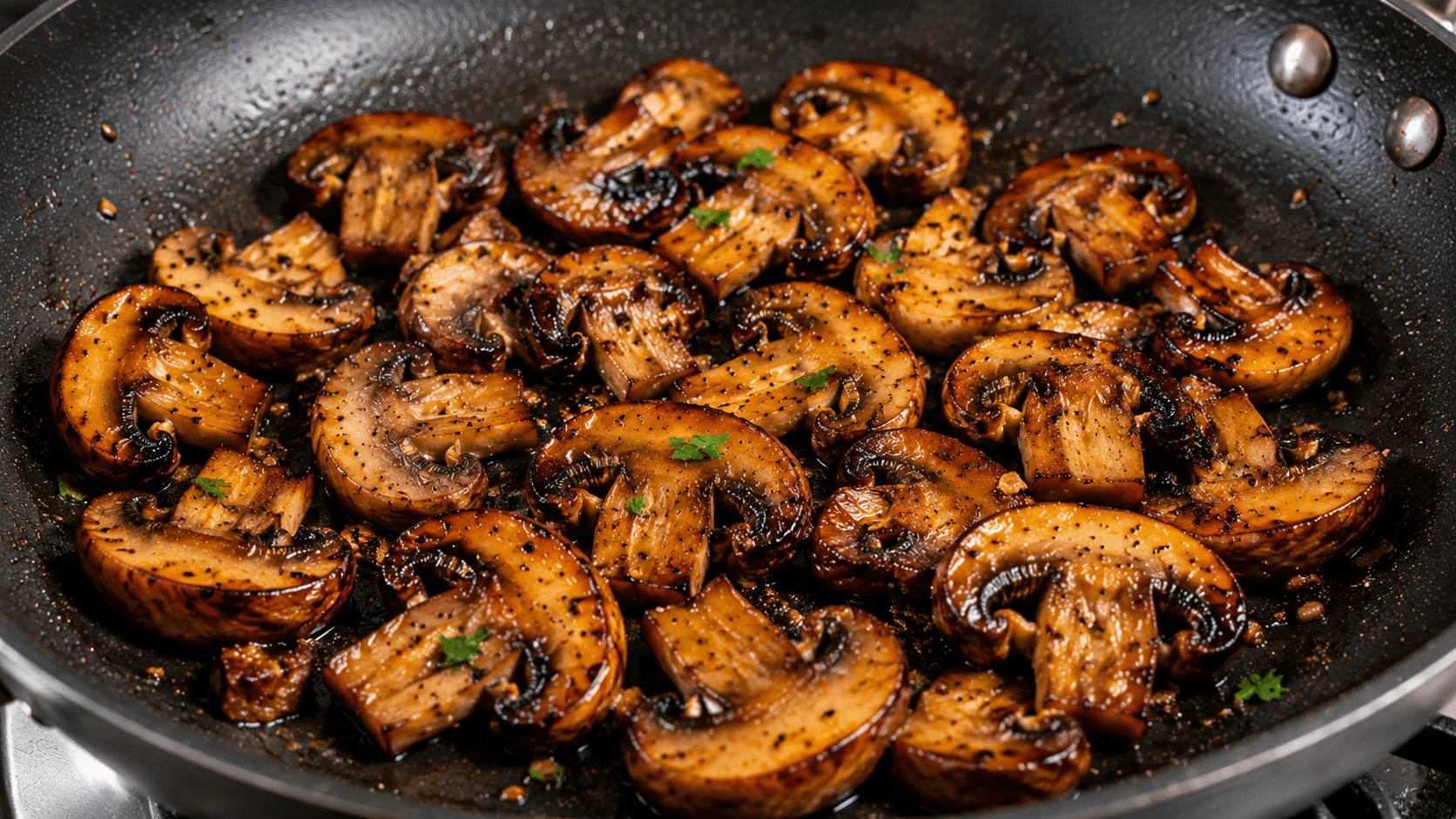
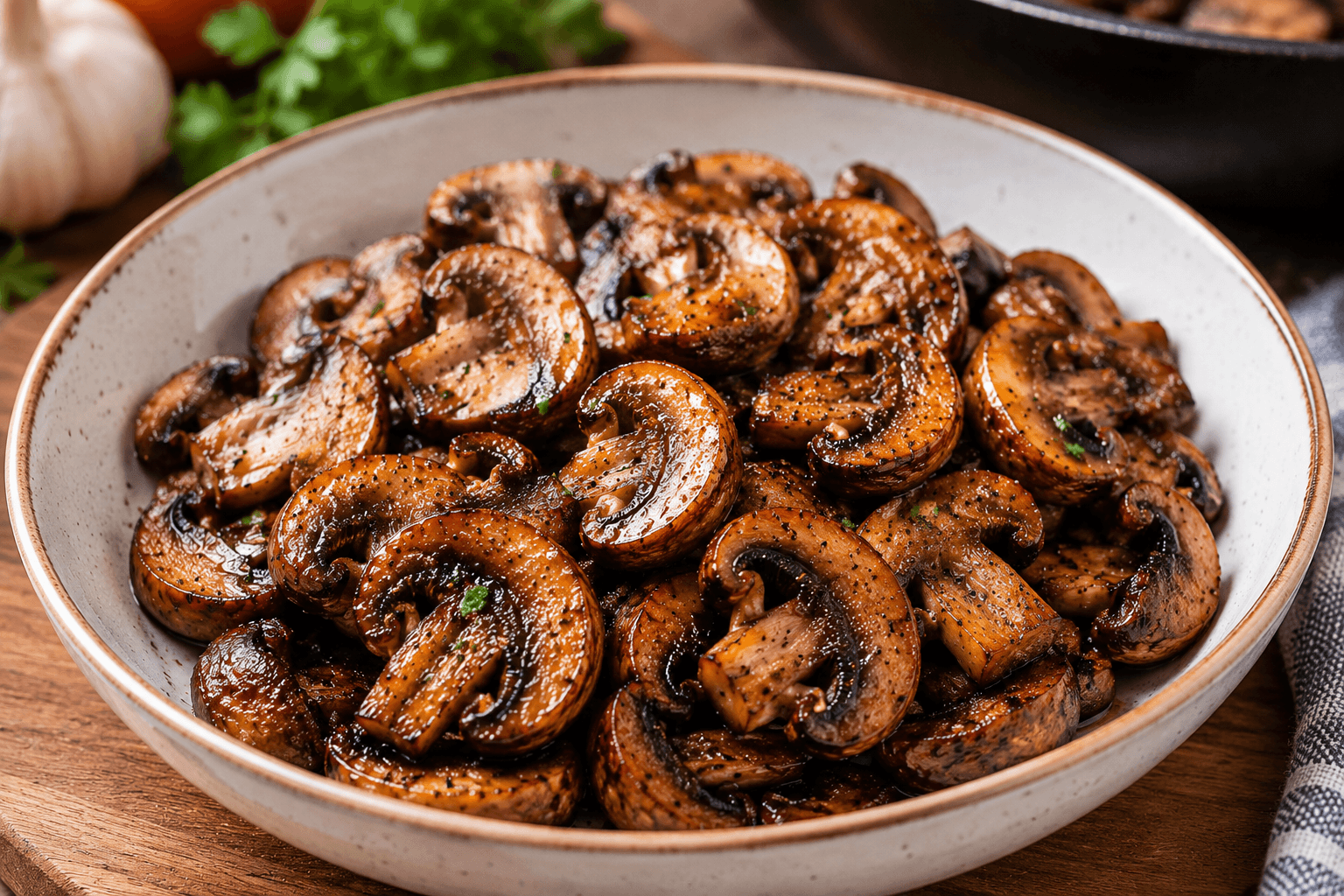
Perfectly cooked mushrooms should be lightly browned with slightly crisp edges while remaining juicy inside. Most of the visible moisture should have evaporated, leaving only a thin coating of oil in the pan.
If liquid is still pooling around the mushrooms, continue cooking for another minute or two over high heat.
Best Practices
- Use fresh mushrooms.
- Cook over high heat.
- Leave mushrooms undisturbed while browning.
- Use a large skillet or wok.
- Add sauce near the end.
Avoid These Habits
- Cooking in an overcrowded pan.
- Covering the skillet.
- Adding salt immediately.
- Using low heat.
- Pouring sauce in too early.
If you’re preparing a complete meal, these techniques work perfectly alongside our Chicken Mushroom Stir Fry recipe. You’ll get mushrooms with rich flavor and a satisfying texture that complements tender chicken and crisp vegetables.
Learning these professional habits makes it much easier to cook mushrooms for stir fry like an experienced home chef. Small adjustments in heat, timing, and pan management often make the biggest difference.
How to Store and Reheat Cooked Mushrooms
Even when you perfectly cook mushrooms for stir fry, you may have leftovers. Proper storage helps preserve their texture, flavor, and food safety. While reheated mushrooms won’t be quite as firm as freshly cooked ones, careful storage and reheating can keep them tasting delicious.
The key is to cool cooked mushrooms quickly, store them in an airtight container, and avoid repeated reheating. Following these simple practices helps maintain quality while reducing the risk of foodborne illness.
How to Refrigerate Cooked Mushrooms
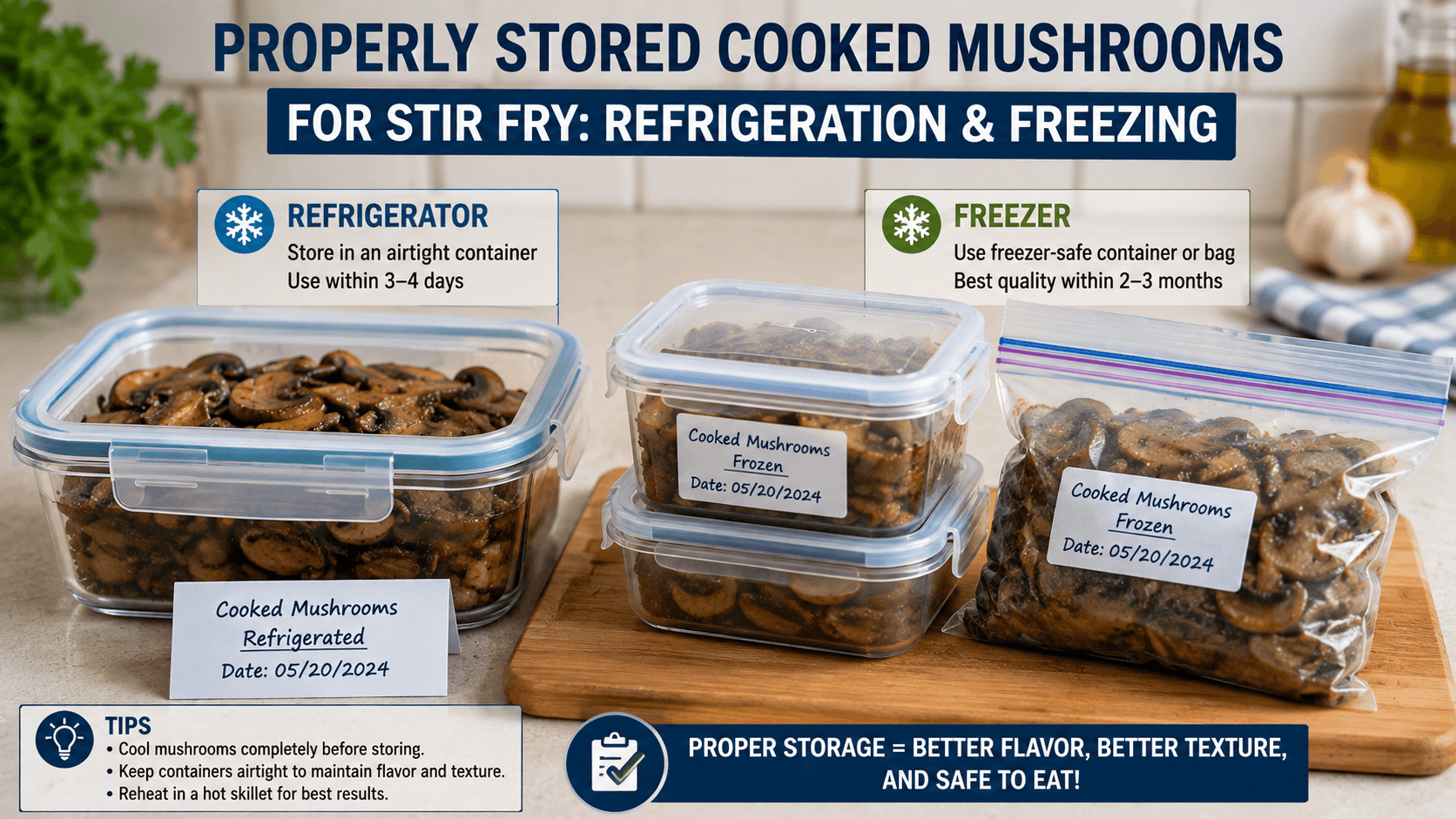
Allow the mushrooms to cool slightly before transferring them to a shallow airtight container. Refrigerate them within two hours of cooking to keep them safe to eat.
Properly stored cooked mushrooms typically stay fresh for 3 to 4 days in the refrigerator.
Storage Tip: Store mushrooms separately from sauces whenever possible. This helps prevent them from becoming overly soft while refrigerated.
Can You Freeze Cooked Mushrooms?
Yes. Cooked mushrooms freeze better than raw mushrooms because much of their moisture has already been released during cooking.
After cooling completely, place them in freezer-safe containers or freezer bags, removing as much air as possible. Label the container with the date before freezing.
For the best quality, use frozen cooked mushrooms within 2 to 3 months.
The Best Way to Reheat Mushrooms
To maintain the best texture, reheat mushrooms in a hot skillet instead of using a microwave whenever possible. The dry heat helps evaporate any moisture that developed during storage.
- Preheat a skillet over medium-high heat.
- Add a small amount of oil.
- Cook the mushrooms for 2–4 minutes.
- Stir occasionally until heated through.
- Add them back to your stir fry during the final minute of cooking.
Microwaving works in a pinch, but it often softens mushrooms because the trapped steam cannot escape as easily.
Food Safety: Never leave cooked mushrooms at room temperature for more than two hours. Discard leftovers that develop an unusual smell, slimy texture, or signs of spoilage.
Can You Prepare Mushrooms Ahead of Time?
Absolutely. Cleaning and slicing mushrooms one day in advance can make weeknight cooking much faster. Store the sliced mushrooms in a paper towel-lined airtight container in the refrigerator to absorb excess moisture.
If you’re planning an entire meal, pairing properly prepared mushrooms with fresh vegetables makes cooking much easier. Our guide on Fresh vs Frozen Vegetables for Stir Fry explains how to choose the best vegetables for both convenience and texture.
| Storage Method | Recommended Time | Best Practice |
|---|---|---|
| Refrigerator | 3–4 days | Store in an airtight container |
| Freezer | 2–3 months | Freeze after cooling completely |
| Meal Prep | 1 day ahead | Slice and refrigerate in a paper towel-lined container |
Good storage habits help preserve the flavor and texture you’ve worked hard to achieve when you cook mushrooms for stir fry. Proper refrigeration and gentle reheating ensure your leftovers remain enjoyable and safe to eat.
Final Thoughts
Learning how to cook mushrooms for stir fry without releasing too much water is one of the easiest ways to improve your homemade stir fry. Instead of ending up with pale, soggy mushrooms and a watery pan, you can create mushrooms that are beautifully browned, packed with umami flavor, and pleasantly meaty.
The secret isn’t complicated. Use high heat, avoid overcrowding the pan, cook the mushrooms in a single layer, and give them enough time to brown before stirring or adding sauce. These simple habits allow excess moisture to evaporate quickly, producing the rich caramelization that makes restaurant-style stir fry so satisfying.
Remember that every ingredient in a stir fry cooks at its own pace. Mushrooms should be treated as their own cooking stage rather than tossed into the pan with everything else. A little patience pays off with better flavor, texture, and presentation.
Final Kitchen Secret: If you’re cooking a large stir fry, brown the mushrooms first, remove them from the pan, cook the remaining vegetables and protein, then return the mushrooms during the last minute with the sauce. This simple restaurant technique keeps every ingredient at its ideal texture.
Frequently Asked Questions
Should I wash mushrooms before I cook mushrooms for stir fry?
Yes. A quick rinse under cold running water is perfectly fine, but avoid soaking mushrooms. Dry them thoroughly with paper towels before cooking to reduce excess surface moisture.
Why are my mushrooms watery even on high heat?
The pan is usually overcrowded. Too many mushrooms release more moisture than the heat can evaporate. Cook them in smaller batches for better browning.
When should I add mushrooms to a stir fry?
It’s best to brown the mushrooms first or cook them separately before combining them with the remaining vegetables and sauce during the final stage of cooking.
Should I salt mushrooms before cooking?
No. Adding salt too early encourages mushrooms to release moisture. Wait until they have developed a golden-brown color before seasoning.
Which mushrooms work best for stir fry?
Cremini, white button, shiitake, and oyster mushrooms are all excellent choices. Each provides a different texture and flavor, but all brown well when cooked properly.
Can I cook mushrooms ahead of time?
Yes. Browned mushrooms can be refrigerated for up to four days and added to stir fries during reheating. This is a great meal-prep strategy for busy weeknights.
References
🍽️ You Might Also Like



📧 Save This Recipe For Later
Enter your email and we will send this recipe directly to your inbox.